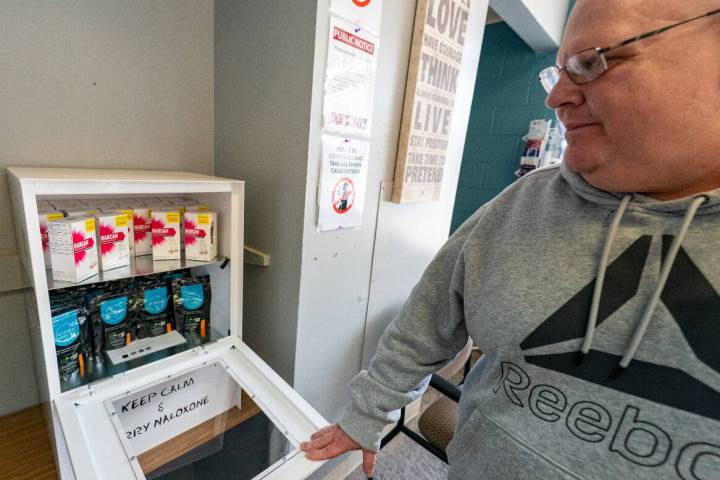
More than 80,000 people died in 2021 of an opioid overdose nationwide, according to the Centers for Disease Control, including prescription opioids, heroin and synthetic opioids such as fentanyl. To help counter this trend, Michael Quattrocchi, grant manager at NyECC, and his team have placed four Naloxone dispensers, which look like newspaper vending machines, in Nye County over the past five months.
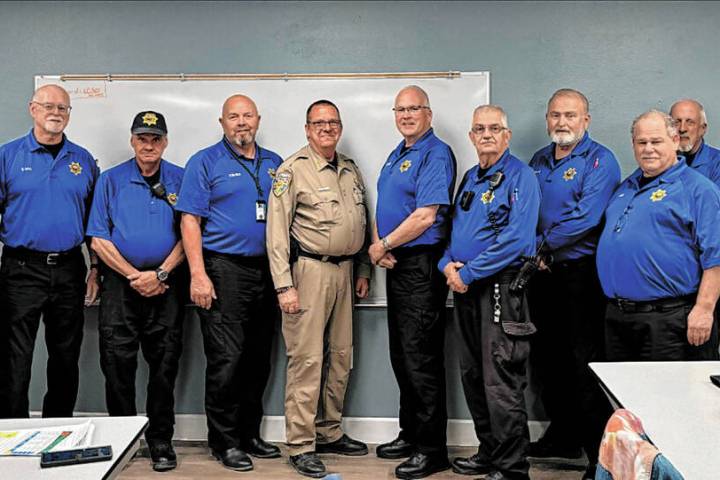
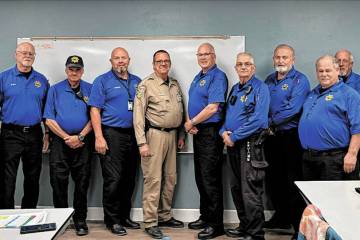
With their trademark, creased light blue button-down shirts, Nye County Sheriff’s Office auxiliary officers are always visible at scenes of vehicle crashes, structure fires and other incidents involving public safety. But there are now changes underway into the auxiliary program in terms of operations, certain procedures and appearances among the officers, including new polo-style shirts.
Thanks to an AmeriCorps Volunteer Generation Fund grant, Nevada Volunteers is embarking on three years of Volunteer Fairs that will take the organization all across the state and the very first stop will be right here in Pahrump.
By McKenna Ross Special to the Pahrump Valley Times
A new poll looks at whether voters would support a potential law that made all workplaces in Nevada, including casinos, completely smoke free while indoors. Unions also weigh in.
The Pahrump Valley Garden Club is all set to hold its 16th Annual Landscape Tour and anyone with an interest in gardening, plants or yard art will not want to miss out. This year’s event features six local yards, all hand-picked by the Garden Club members to give attendees a wide variety of landscape types to peruse.
Raising a child can be hard. That’s something the members of Pahrump Mothers Corner understand all too well. In an effort to ease the challenges of parenthood, particularly for new and expecting families, this group of local moms banded together to host a Community Baby Shower and the event proved to be very popular, leading to its return for the third year running.
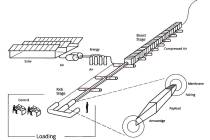
Ambitious. It’s an apt word to describe Michael Grace’s vision for the future of his company, Longshot Space Technology Corporation, which, if all goes to plan, will build what he calls the world’s largest potato gun.
A Pahrump man wanted by the Nye County Sheriff’s Office on suspicion of elder abuse was arrested while attempting to purchase multiple vehicles at a Las Vegas car dealership, according to authorities.
A man suspected of driving a stolen vehicle out of Las Vegas led Nye County Sheriff’s Office deputies on a high-speed pursuit into Pahrump on Monday morning, April 15.
Pahrump is filled with nonprofit causes and as anyone who has run or been a part of one before will know, the backbone of any good nonprofit is, of course, its volunteers.
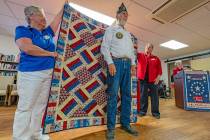
The Nye County Valor Quilters are on a mission — to cover local veterans in the comfort of healing Quilts of Valor to honor the service and sacrifices they’ve made in the name of freedom – and now, these talented artists have started to expand their reach outside of the Pahrump Valley.
A new poll looks at whether voters would support a potential law that made all workplaces in Nevada, including casinos, completely smoke free while indoors. Unions also weigh in.
President Joe Biden brought a theme of affordable housing to Las Vegas, highlighting a comprehensive plan that would invest nearly $260 billion in the need.
Attorneys for the six Republican electors who were indicted by a grand jury in December said the case should be dismissed because the alleged crimes did not take place in Clark County.