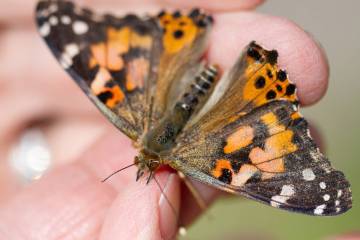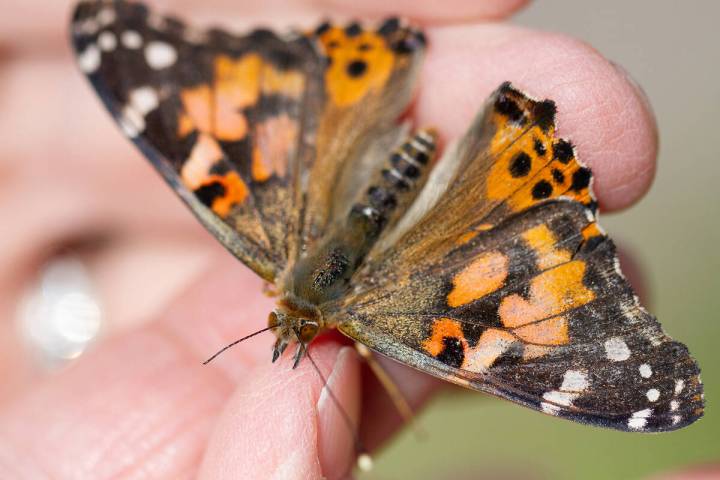
Butterflies are a symbol of transformation and one of the most transformative things a person can experience is the death of someone they love.

Butterflies are a symbol of transformation and one of the most transformative things a person can experience is the death of someone they love.
Raising a child can be hard. That’s something the members of Pahrump Mothers Corner understand all too well. In an effort to ease the challenges of parenthood, particularly for new and expecting families, this group of local moms banded together to host a Community Baby Shower and the event proved to be very popular, leading to its return for the third year running.
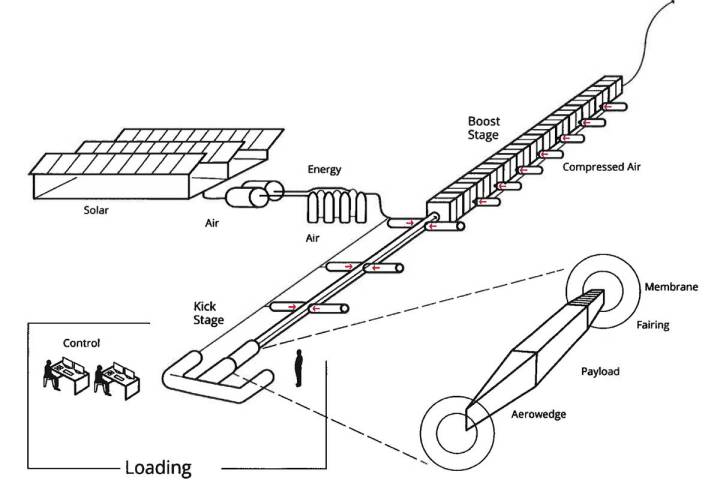
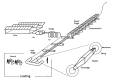
Ambitious. It’s an apt word to describe Michael Grace’s vision for the future of his company, Longshot Space Technology Corporation, which, if all goes to plan, will build what he calls the world’s largest potato gun.

A Pahrump man wanted by the Nye County Sheriff’s Office on suspicion of elder abuse was arrested while attempting to purchase multiple vehicles at a Las Vegas car dealership, according to authorities.
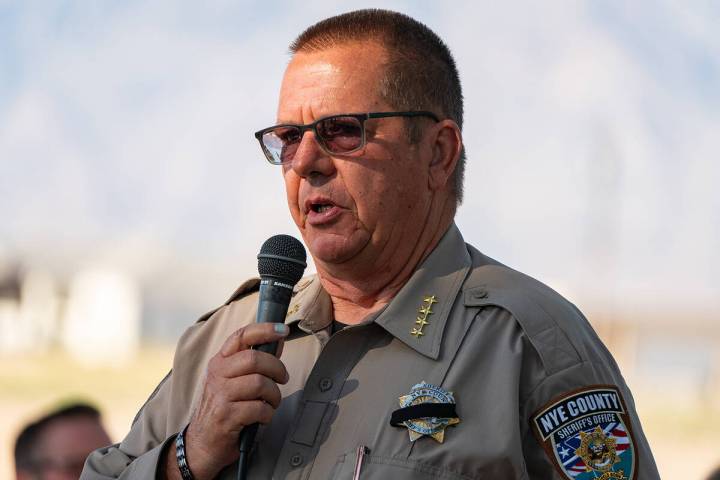
A man suspected of driving a stolen vehicle out of Las Vegas led Nye County Sheriff’s Office deputies on a high-speed pursuit into Pahrump on Monday morning, April 15.
Pahrump is filled with nonprofit causes and as anyone who has run or been a part of one before will know, the backbone of any good nonprofit is, of course, its volunteers.
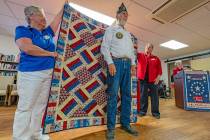
The Nye County Valor Quilters are on a mission — to cover local veterans in the comfort of healing Quilts of Valor to honor the service and sacrifices they’ve made in the name of freedom – and now, these talented artists have started to expand their reach outside of the Pahrump Valley.
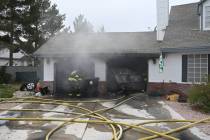
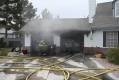
No serious injuries were reported after fire gutted a vehicle inside the garage of a home along the 2400 block of Zuni Avenue on Wednesday, April 10.
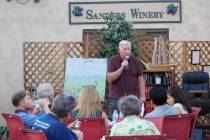
Promising a “laugh-your-ass-off” night of hilarity and musical diversion, Sanders Family Winery is all set to host the Kiwanis Club of the Pahrump Valley Scholarship Fundraiser and its sure to be an amusing time for all involved.
Nye County has earmarked about $6.2 million of its $12 million in Local Assistance and Tribal Consistency Fund (LATCF) grant dollars for a total of 10 projects throughout the county.
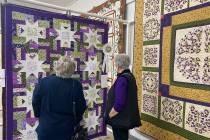
The Bob Ruud Community Center was transformed into a world of color and design during the 19th Annual Pins and Needles Quilt Show, a yearly event that offers a stage to fabric artists of all kinds while giving the community to chance to admire their array of masterpieces.
In an effort to shore up the financial reserves used to cover cash flow issues in the county general fund, Nye County is loaning itself $5.78 million.

Sitting undefeated in the 3A South-Mountain baseball standings, the Pahrump Valley Trojans got their fifth win in a row.
Bill Kohbarger suffered a brain aneurysm last week, according to his wife Lisa.

Without positive social outlets, teens and young adults can easily find their way to troublesome avenues of expression, a reality that NyE Communities Coalition staffer Dale Willis knows from experience. That’s why, with the help of grant funding and a lot of personal passion, Willis has brought a brand new recreation option to the town – Tabletop Game Nights.

President Joe Biden brought a theme of affordable housing to Las Vegas, highlighting a comprehensive plan that would invest nearly $260 billion in the need.

Lake Manly, atop a salt flat, was formed after a deluge of rain over the past six months flooded the national park in California.

Attorneys for the six Republican electors who were indicted by a grand jury in December said the case should be dismissed because the alleged crimes did not take place in Clark County.

When does a Motel 6 room cost more than an MGM Grand room? When it’s Super Bowl week. Fans in town for Super Bowl 58 will pay an average $444 a night, but in Pahrump it’s hundreds cheaper.