
Horse confirmed to have equine infectious anemia in Nye County
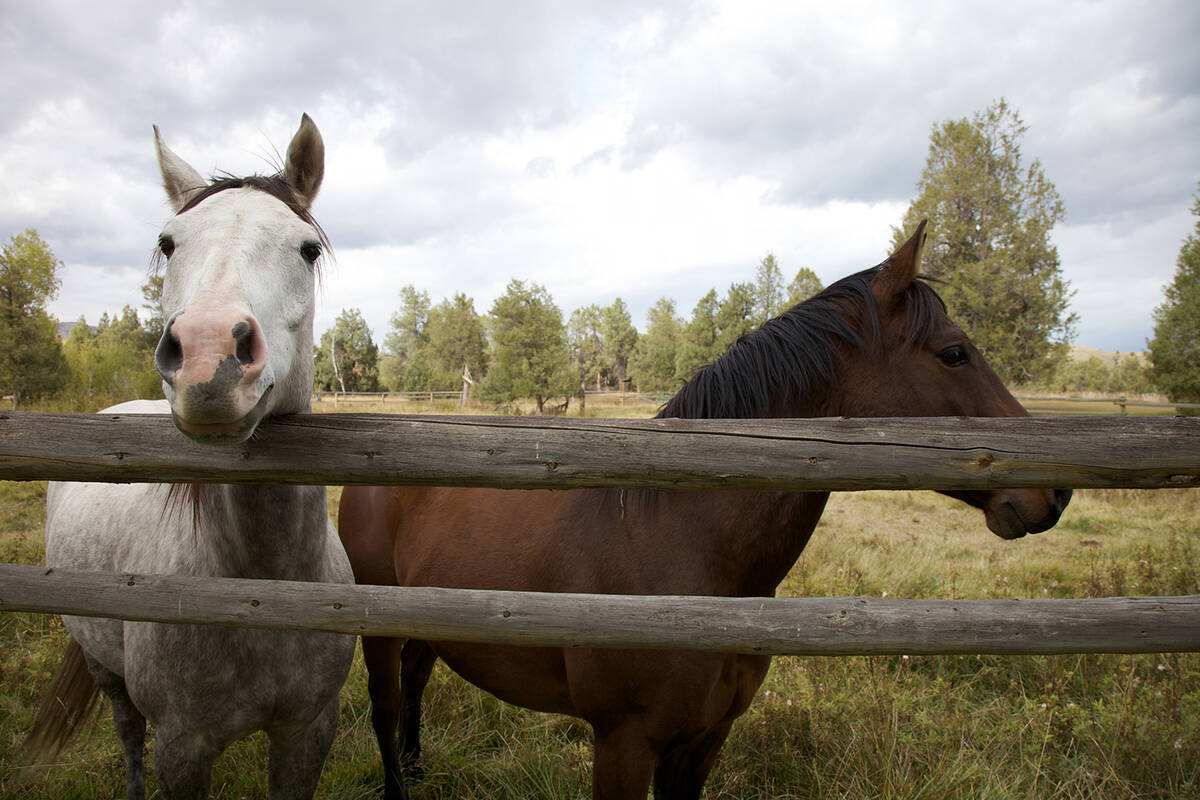




A Nye County horse has been confirmed to have equine infectious anemia (EIA), the Nevada Department of Agriculture (NDA) announced on June 26, with a quarantine issued for the facility and other exposed horses.
“We are working closely with the veterinarians in the area to address the situation and protect Nevada’s equine population,” NDA State Veterinarian Dr. Peter Rolfe said in a statement. “We remind horse owners to take appropriate steps to help prevent disease and protect animal health across the state.”
A Certificate of Veterinary Inspection and proof of a negative EIA test within 12 months before entry as part of the state’s entrance requirements are required for equine species such as donkeys, horses and mules, an NDA press release explains.
“EIA is transmitted in equine species through blood contact and cannot be spread through coughs, sneezes or casual contact,” the release states. “It can cause fever, weakness, swelling, irregular heartbeat and low red blood cell count.”
EIA is not a public health risk and cannot be transmitted to humans, so more information about the detection location cannot be released following Nevada Revised Statute 571.160, the NDA said in the release. EIA is a reportable disease that requires veterinarians to inform the NDA when detected, the release adds.
The NDA is urging owners to practice good horse health safety procedures and shared these basic practices to reduce chances of infectious disease transfer:
■ Never share equipment between horses. Single-use medical equipment such as needles, syringes and IV lines should never be re-used and should never be shared between different horses. Dental tools and other instruments should be fully sterilized between horses.
■ Practice good fly control by keeping stalls dry, removing standing water, managing manure and using fly deterrents and repellants.
■ Horses should have a routine testing schedule for EIA and should be tested prior to attending events.
■ Test horses at the time of purchase examination. Work with a veterinarian on a quarantine and/or retesting protocol prior to introducing a new horse to current horses. Before purchasing, get as much background information on the horse, including any domestic or international travel or importation.
■ Any horses entering the U.S. from other countries require testing and quarantine prior to entry.
Horses believed to be sick should be reported to their veterinarian for care. For more information about the NDA and equine diseases visit agri.nv.gov/animals/animal_disease/equine.
Contact reporter Elijah Dulay at edulay@pvtimes.com