
EDITORIAL: Promised green energy savings yet to materialize
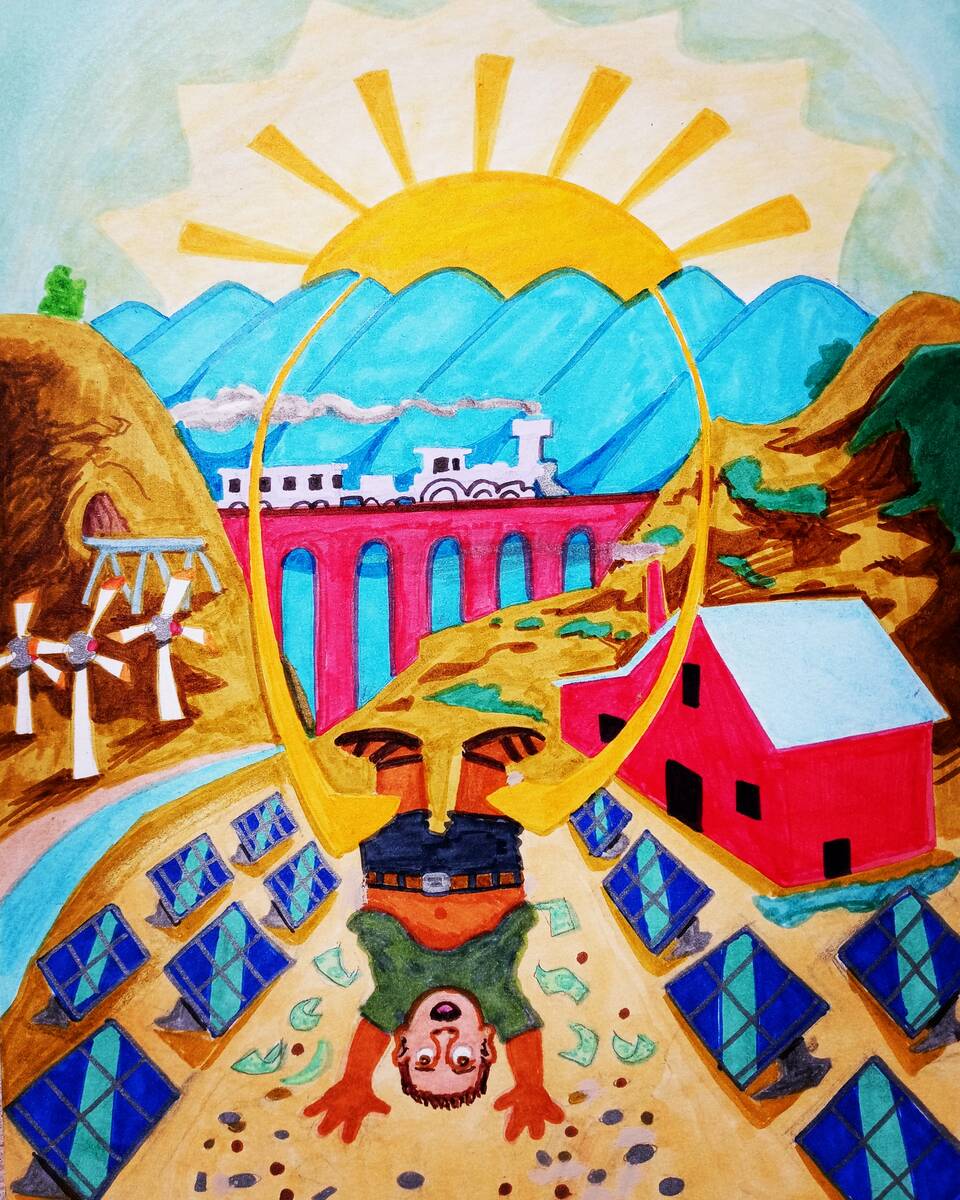





There’s a major disconnect between what renewable energy backers promised and the current cost of electricity.
One of the justifications for green energy mandates is that solar and wind power are cheap. Carbon Brief, a climate-focused website, triumphantly declared that solar energy is “cheaper than coal and gas in most major countries.”
Putting aside the massive subsidies for renewables that make this true in places, there’s an intuitive appeal to this claim. Natural gas and coal cost money. The sun and wind are available for everyone. If the cost of building a solar or wind plant is cheap or heavily subsidized, power costs to the consumer should theoretically come down.
Nevada, like many states, has embraced this idea. The Legislature and voters have determined that the state generate 50 percent of its power from renewable sources by 2030. But the promised savings haven’t materialized. Consumers have been protesting soaring power bills for months.
It’s not just here. California has long been one of the most aggressive states in pursuing green energy. But its electricity rates are 80 percent higher than the national average. Things are so bad that its three largest utilities want to charge consumers variable rates based on income.
The same thing is happening around the world. The United Kingdom spent years building offshore wind farms. Surely, its electricity prices plummeted as a result. Nope. It now has some of the highest power prices in Europe.
The reason is no mystery. Solar and wind plants can produce cheap power, but they can’t produce reliable power. That’s a problem because people aren’t fans of rolling blackouts. To keep the power on, utilities have to rely on natural gas, coal or nuclear plants. Hydropower is great, but hardly scalable.
Having to build, maintain and run a backup power plant significantly reduces the cost savings that comes from not needing to purchase fuel for solar and wind plants. There’s more. Solar and wind power plants are often cheaper when they are producing power. This, along with the cost of complying with new regulations, has led to many conventional power plants closing.
But when solar and wind stop producing, utilities have to buy power on the spot market. And with less conventional power being generated, those prices can spike to extreme levels.
They’re so high that NV Energy says it will save money by spending $350 million to build two natural gas turbines that will run fewer than 700 hours a year. Green energy advocates promised cheap power. Look at your bill. They haven’t delivered. The technology isn’t there yet.
This commentary initially appeared in the Las Vegas Review-Journal.