
‘There’s life here’: Death Valley approaches ‘superbloom’ status as wildflowers sprawl for miles





DEATH VALLEY, Calif.
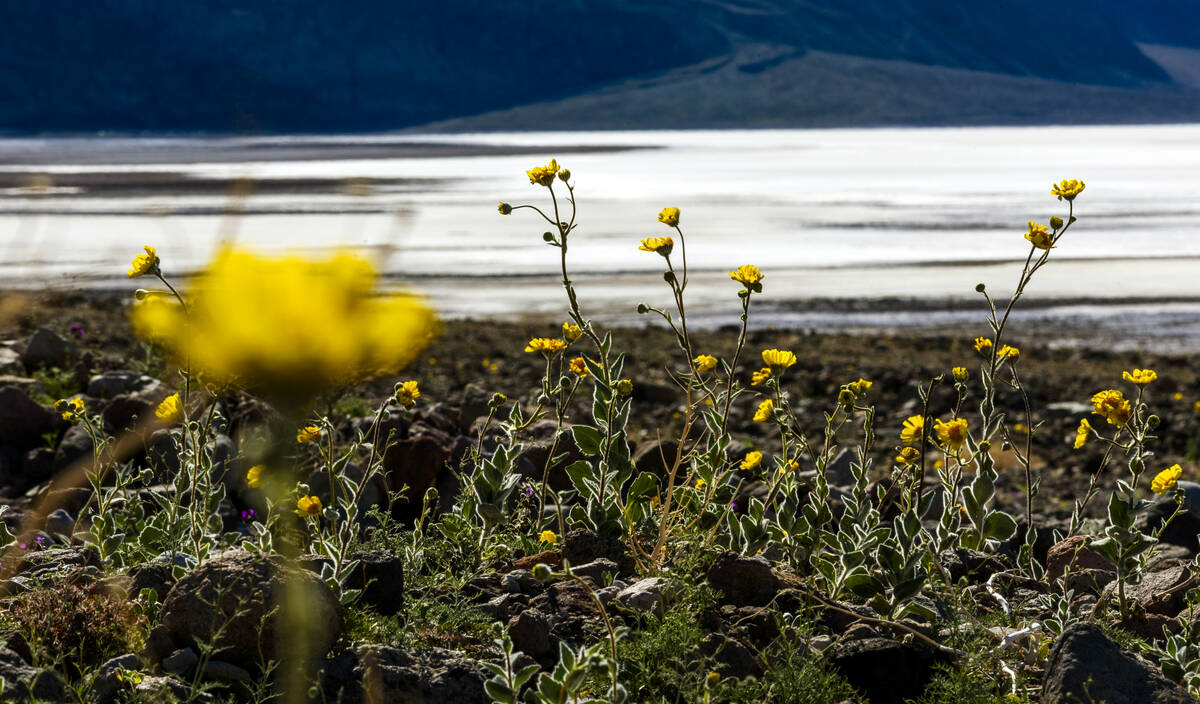
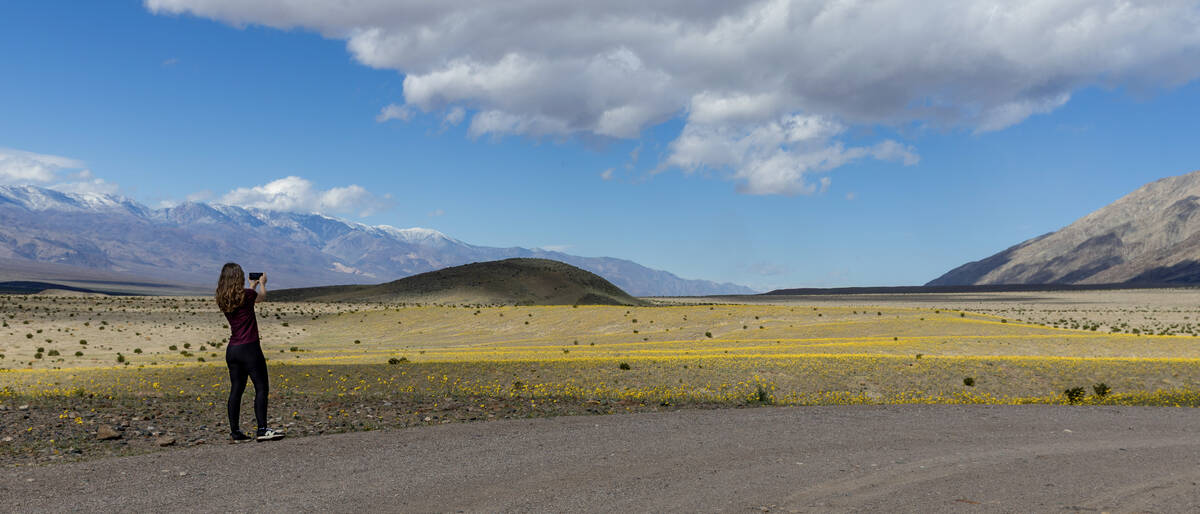
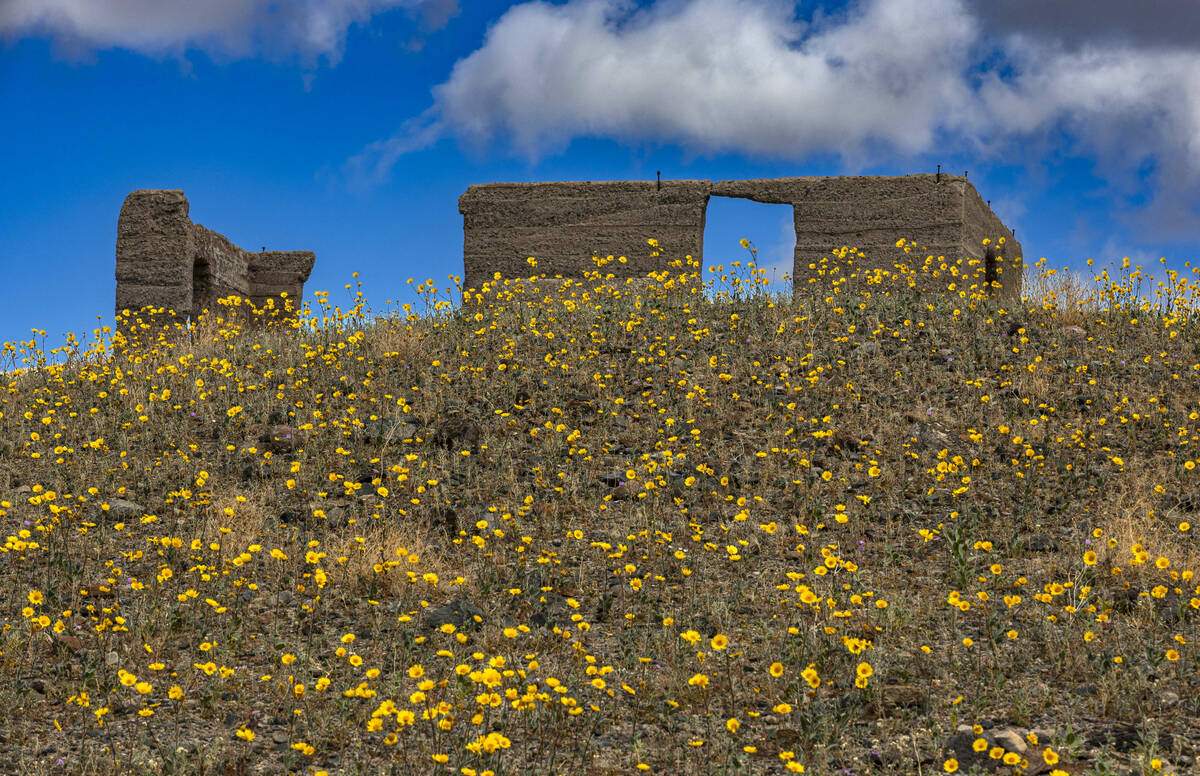
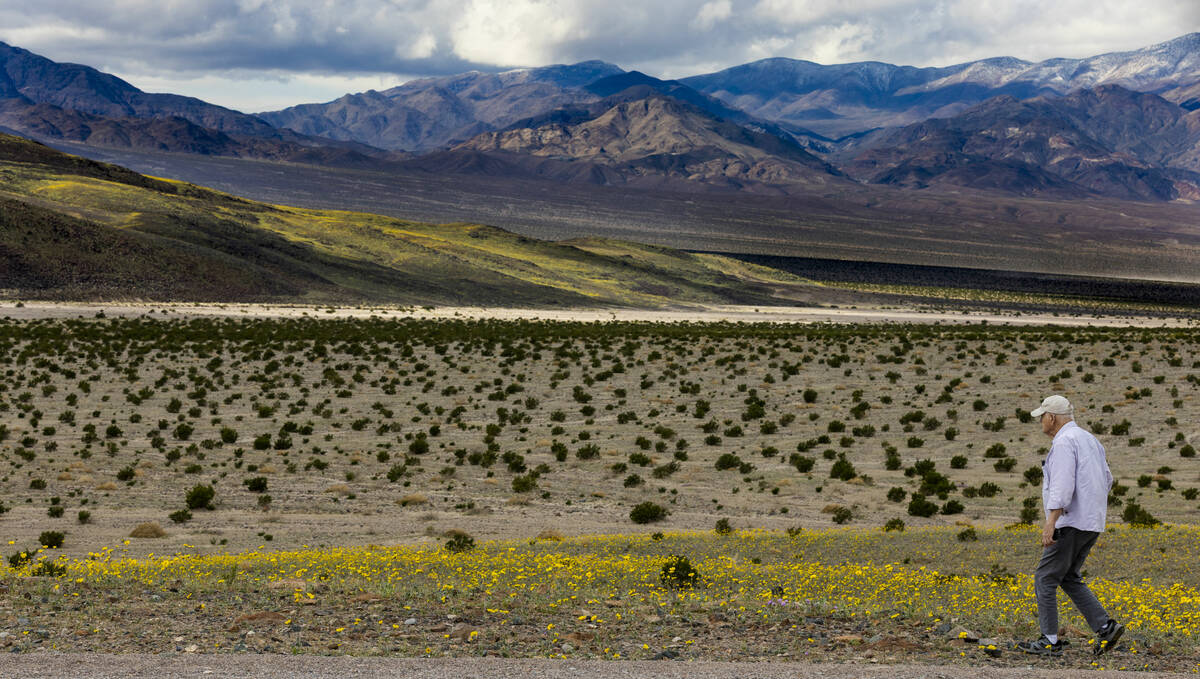
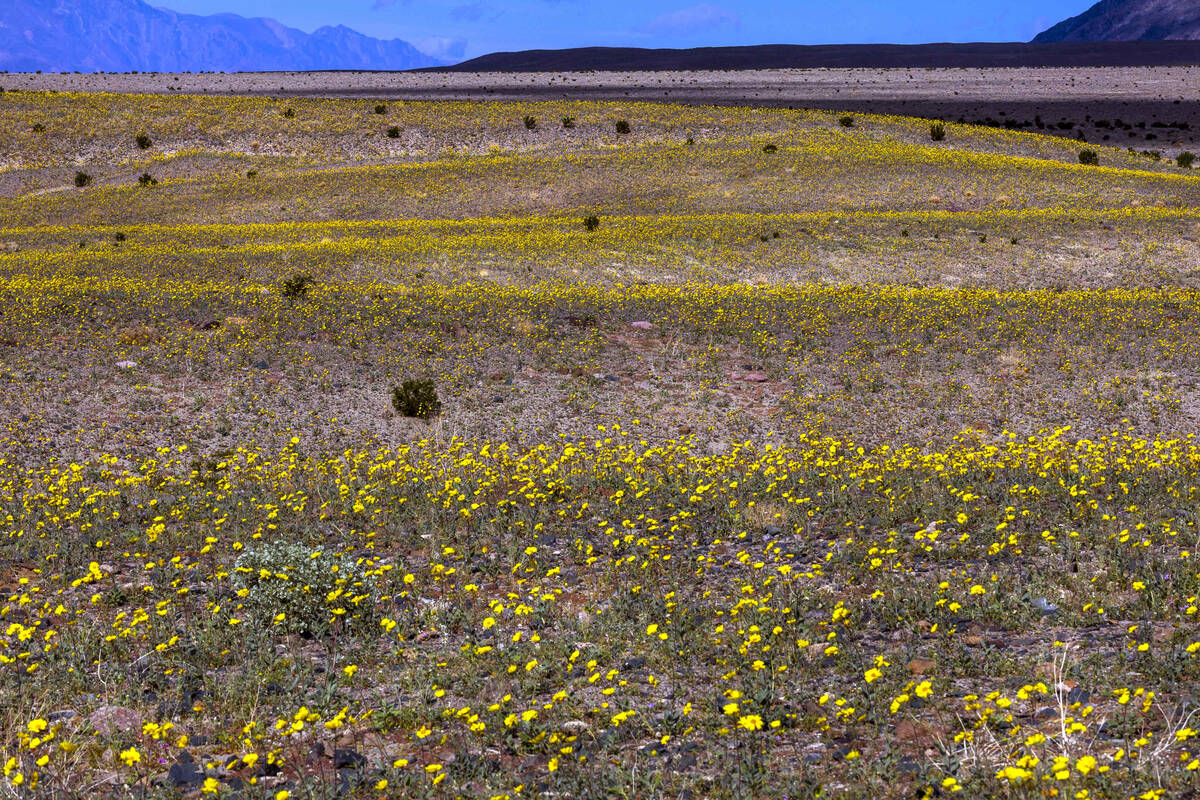
The old Ashford Mill hasn’t processed it in more than a century, but Sabrina Rosa had finally struck gold after a few days of camping in Death Valley National Park. Desert gold wildflowers, that is.
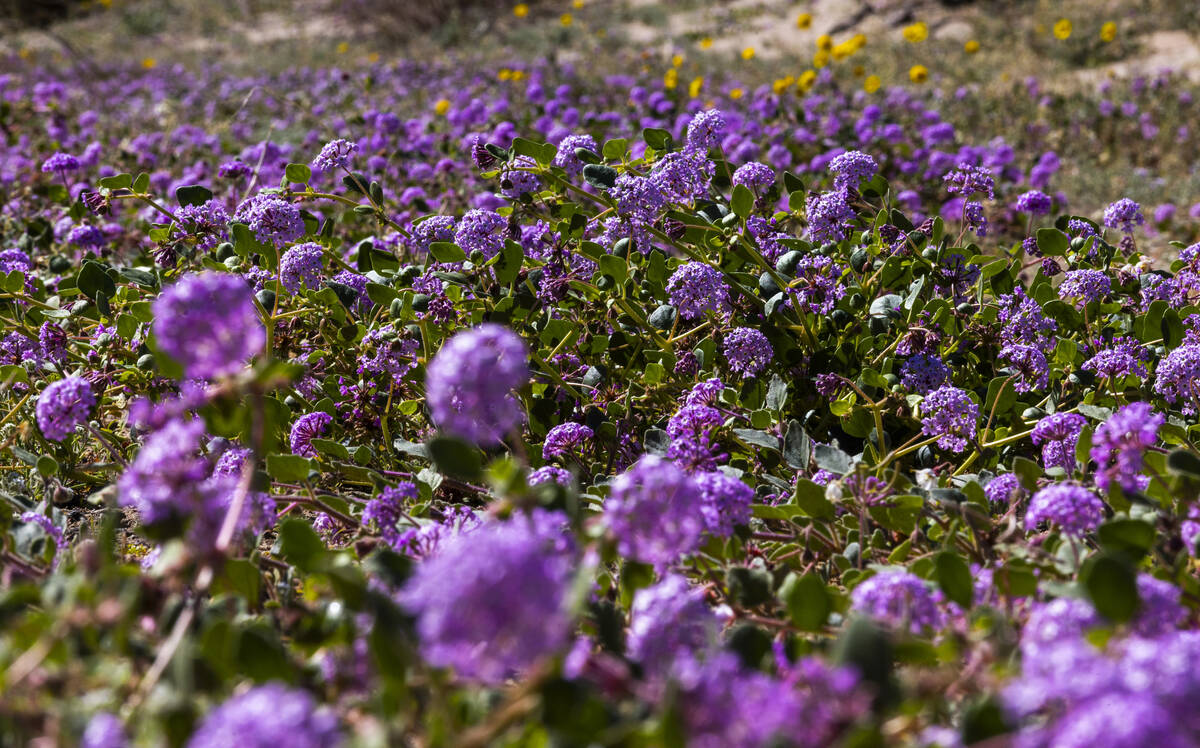
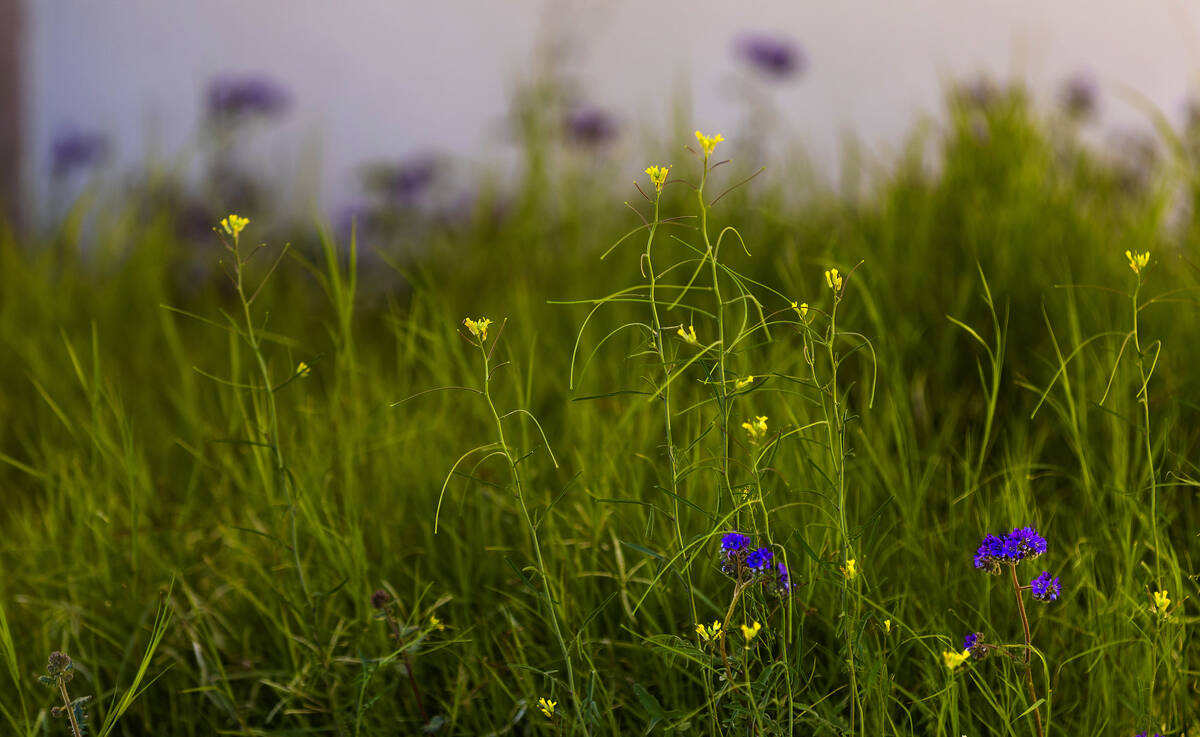
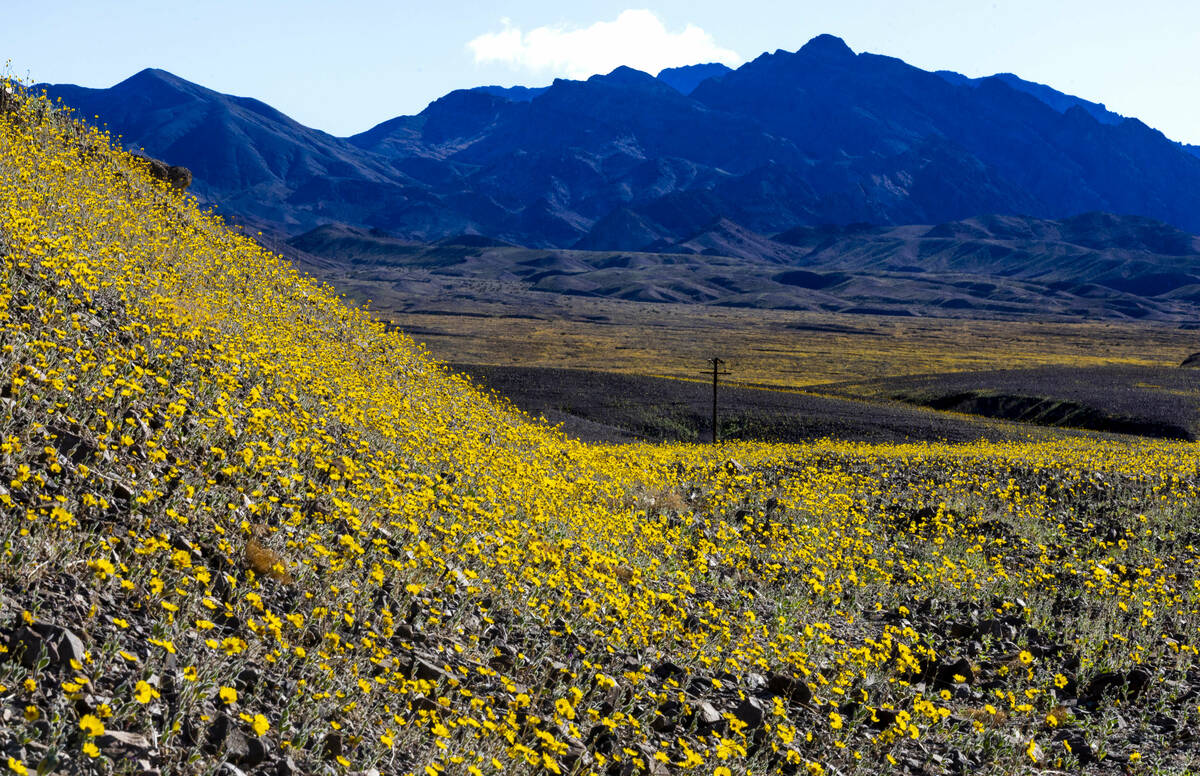
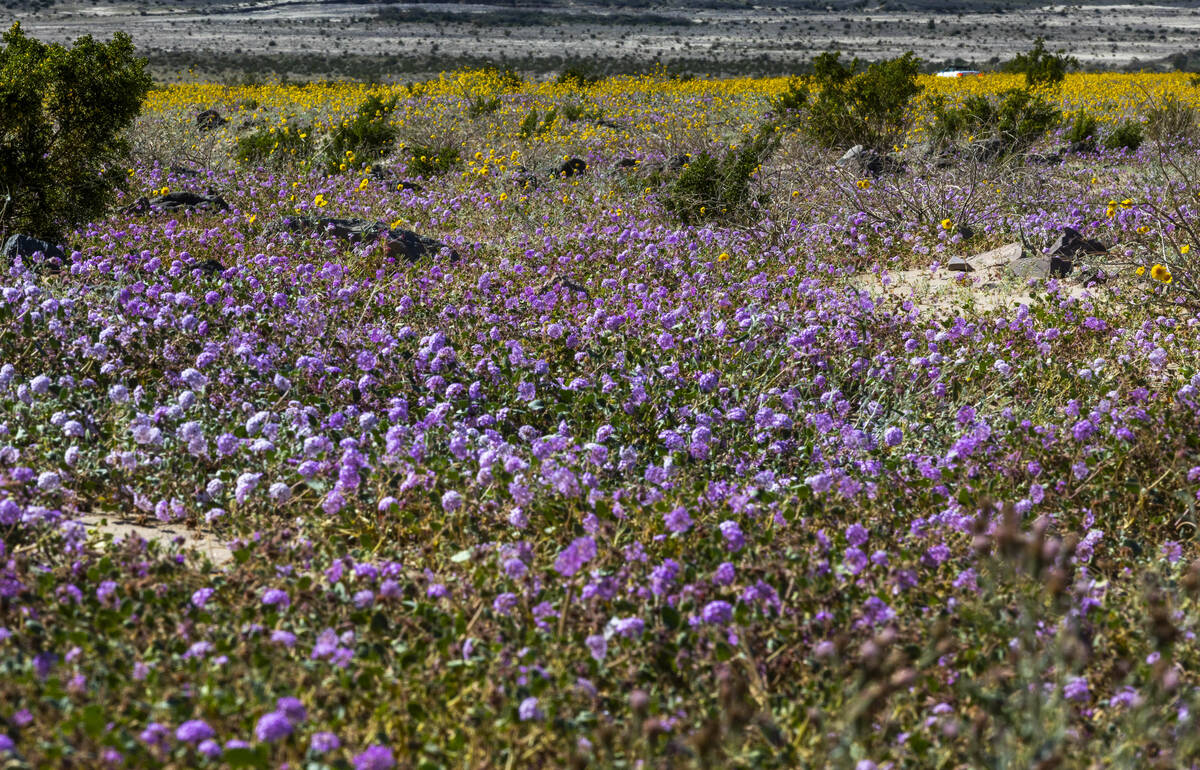
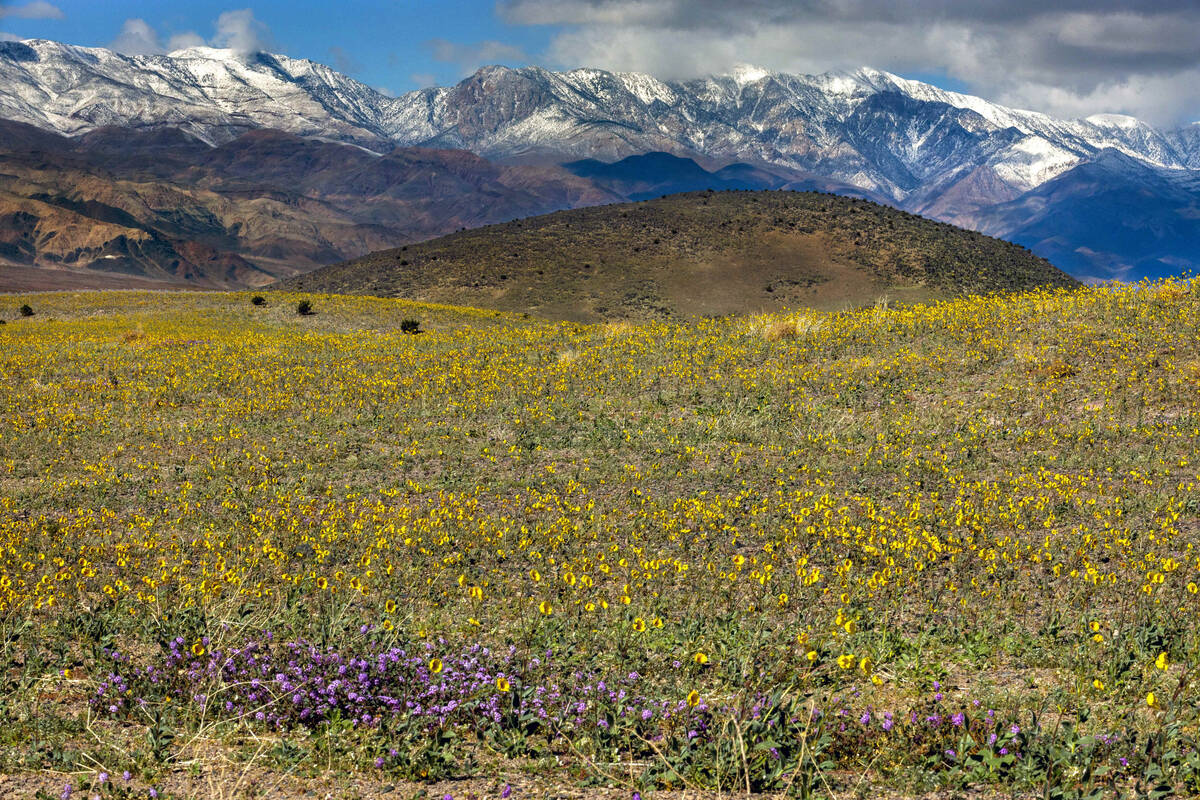
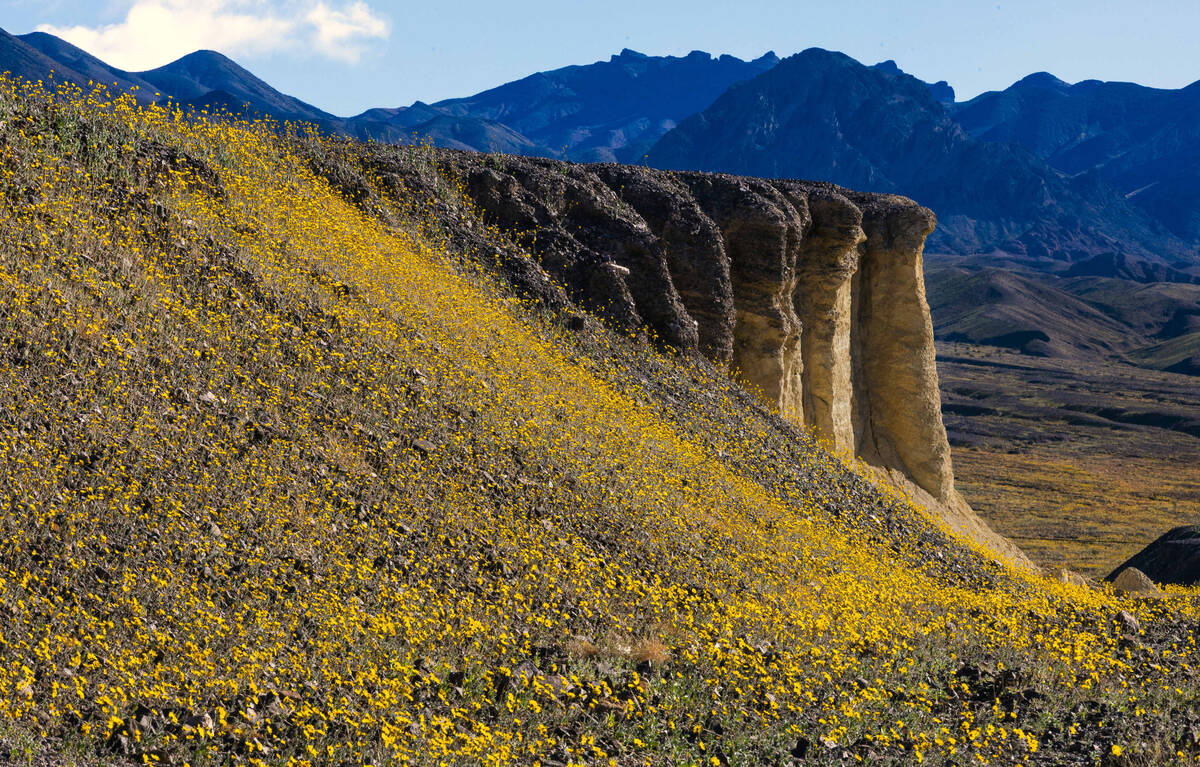
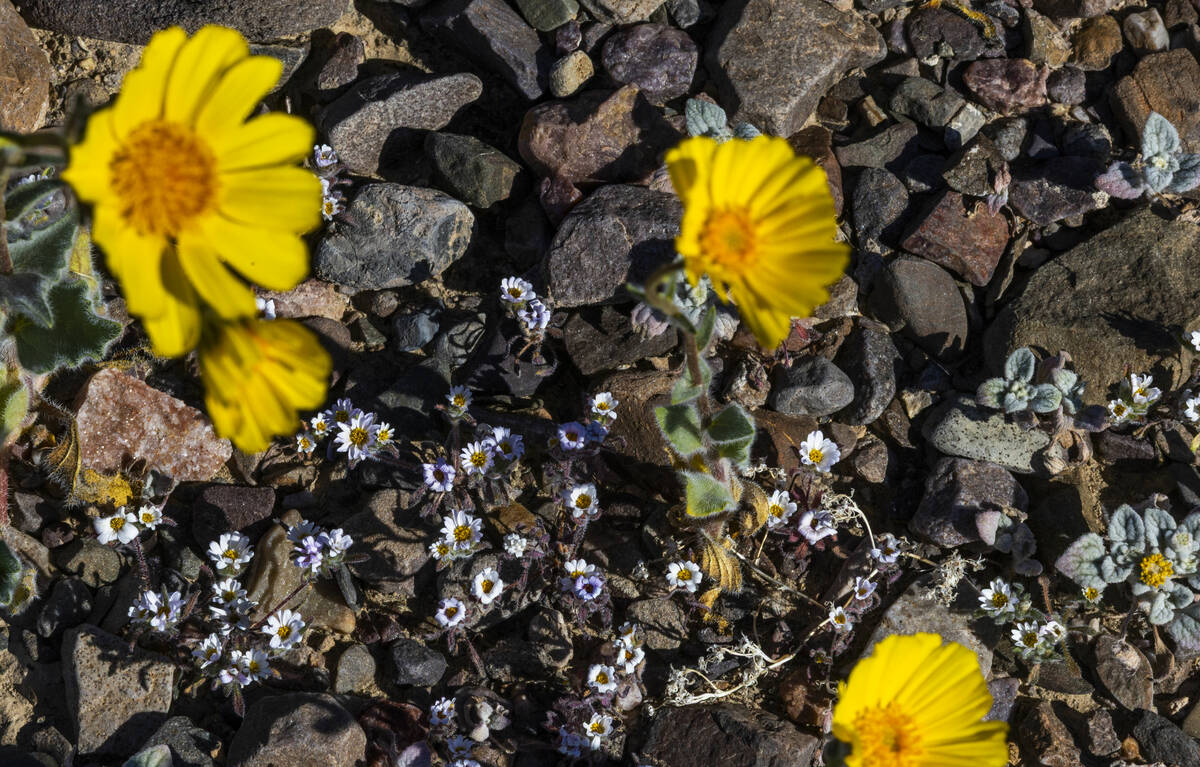
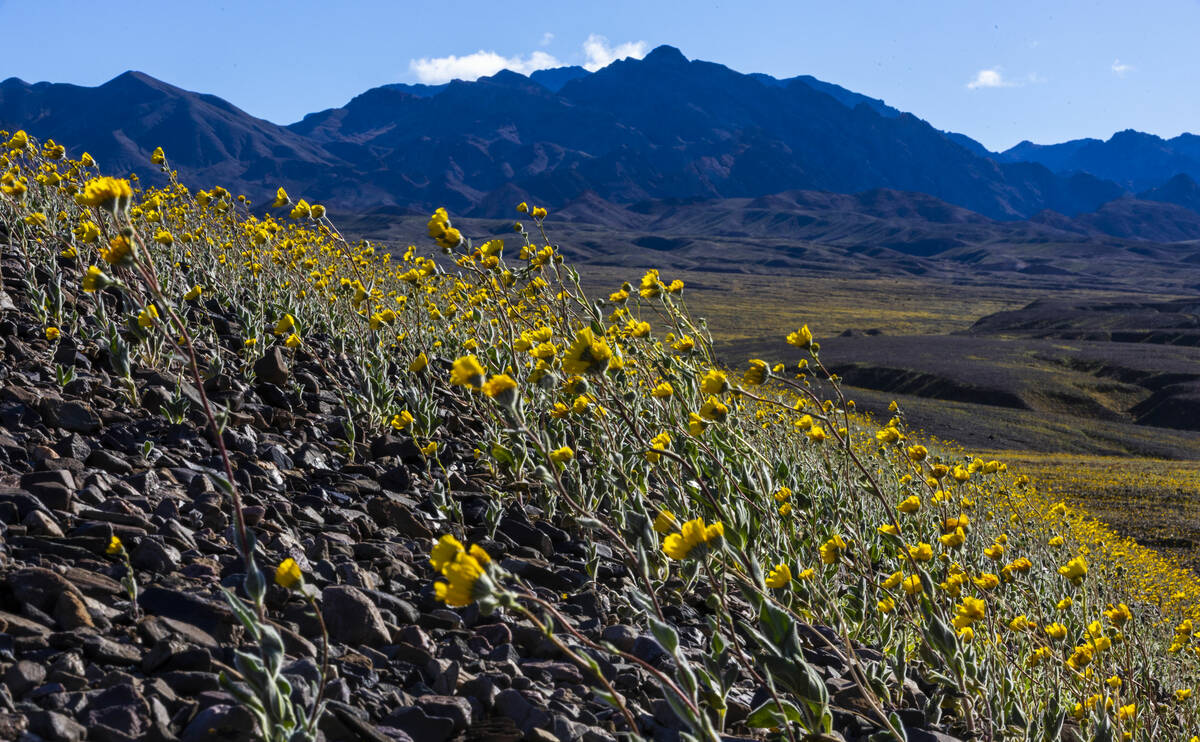
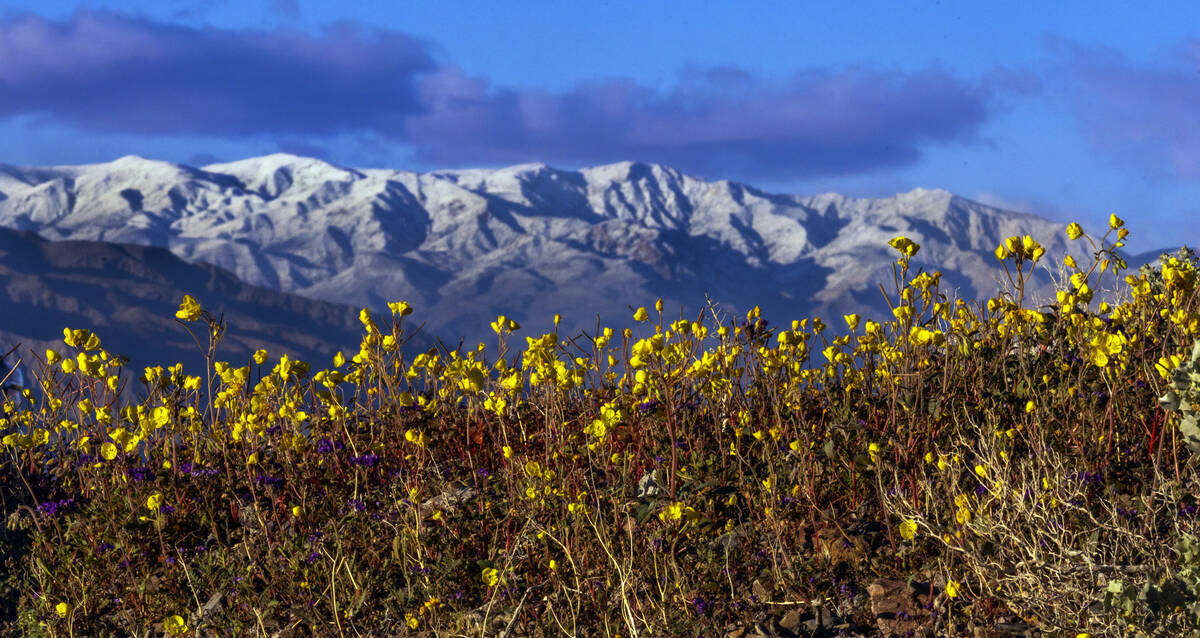
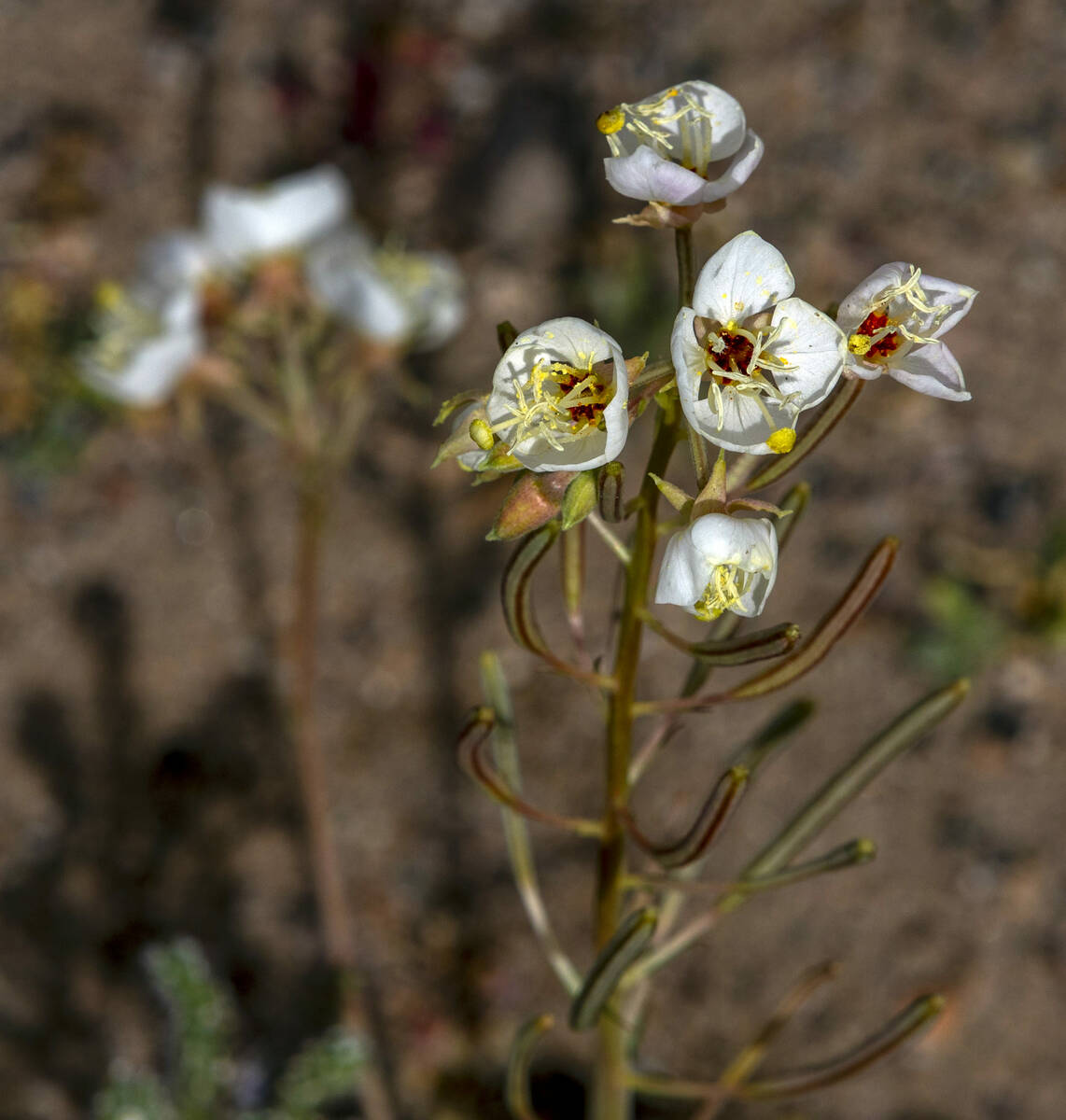
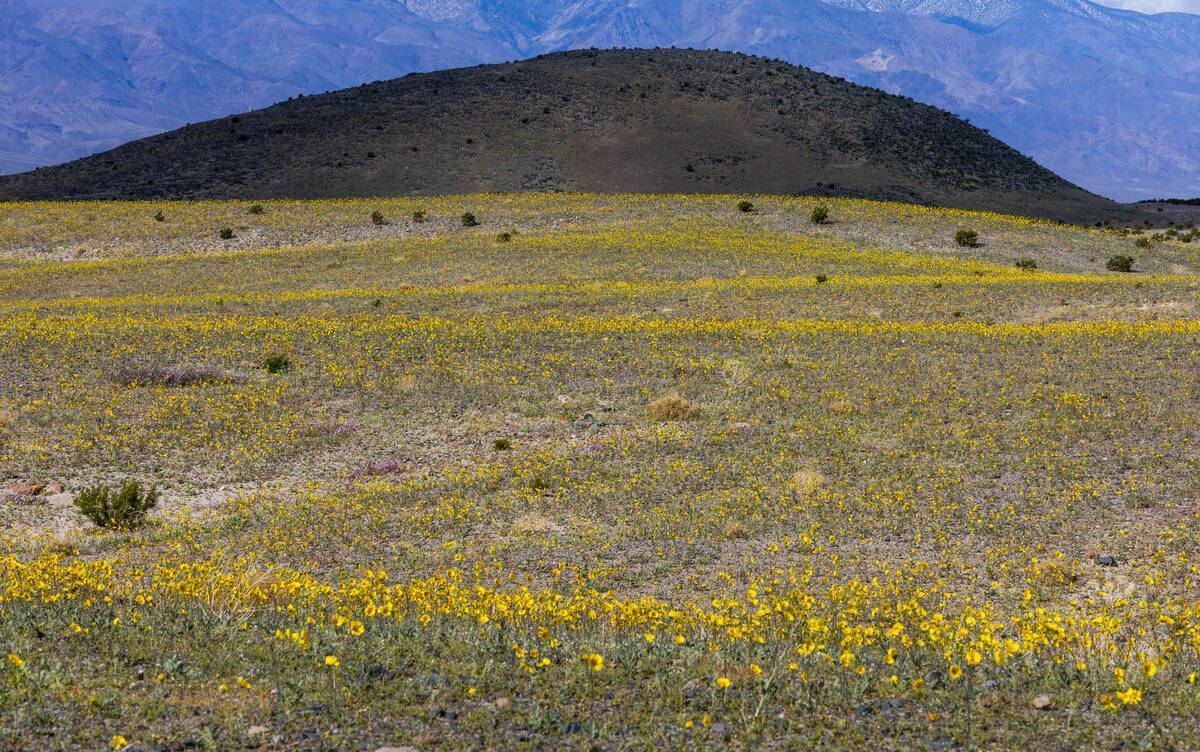
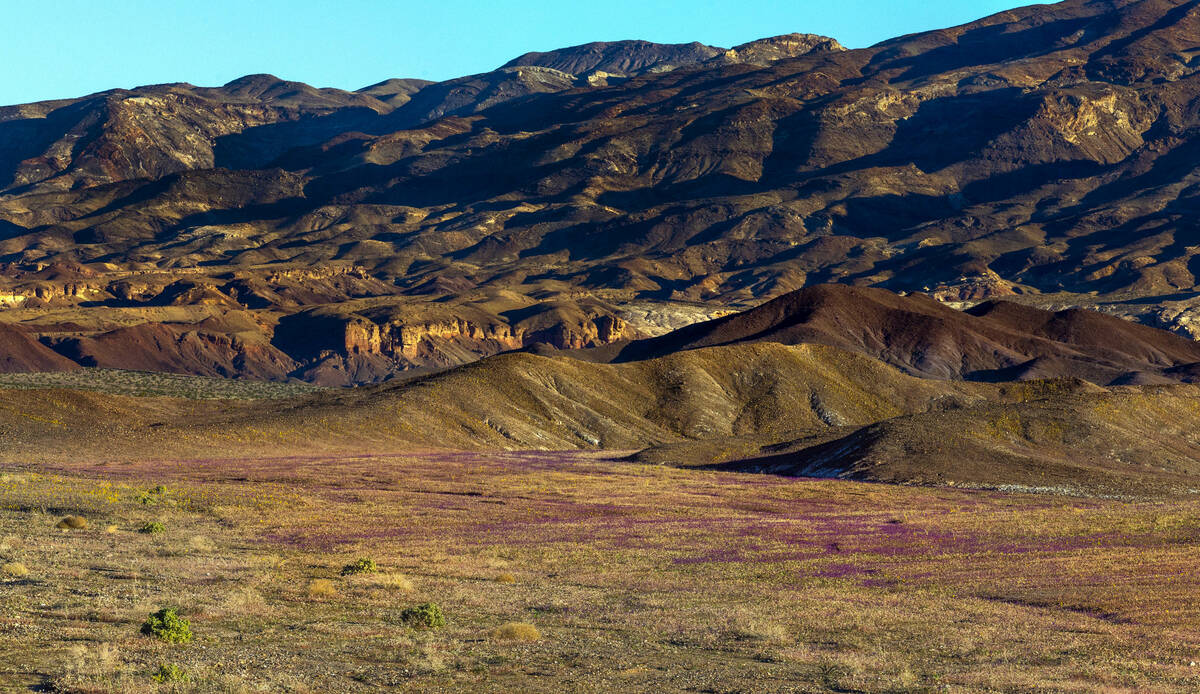
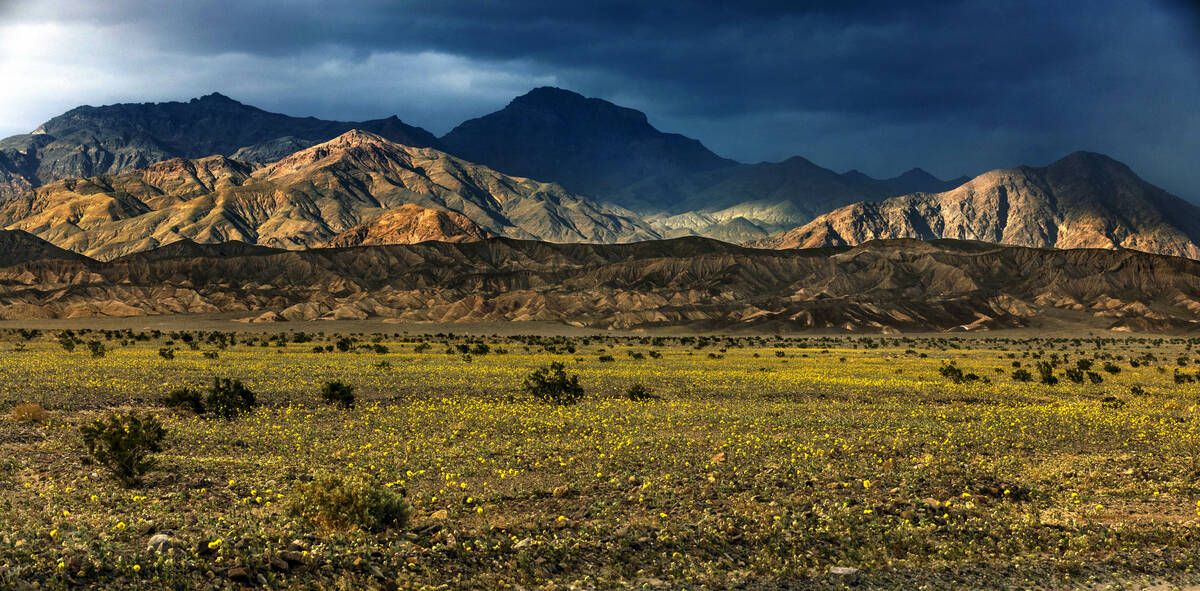
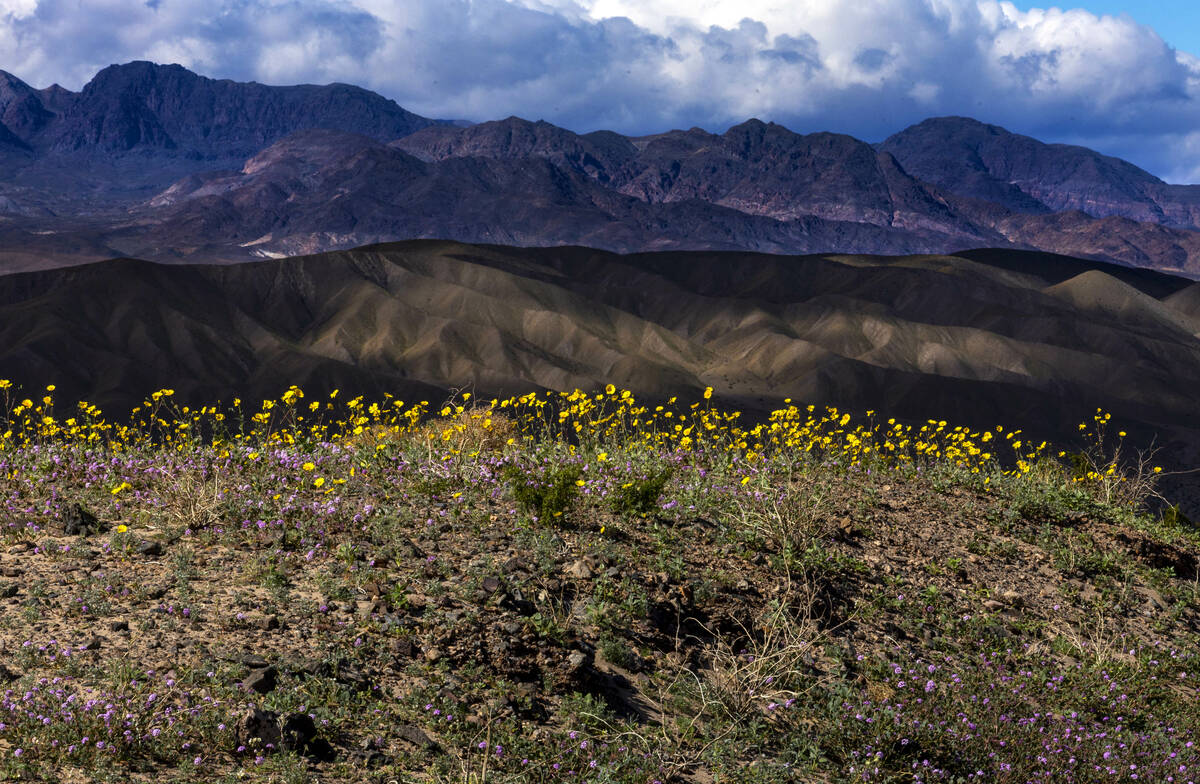
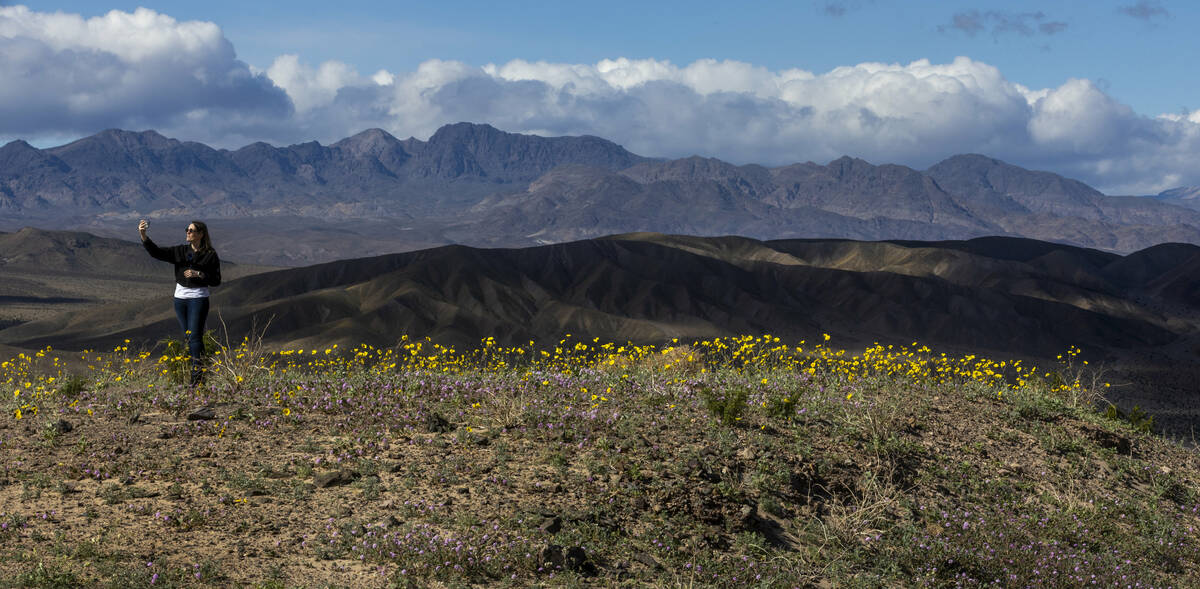
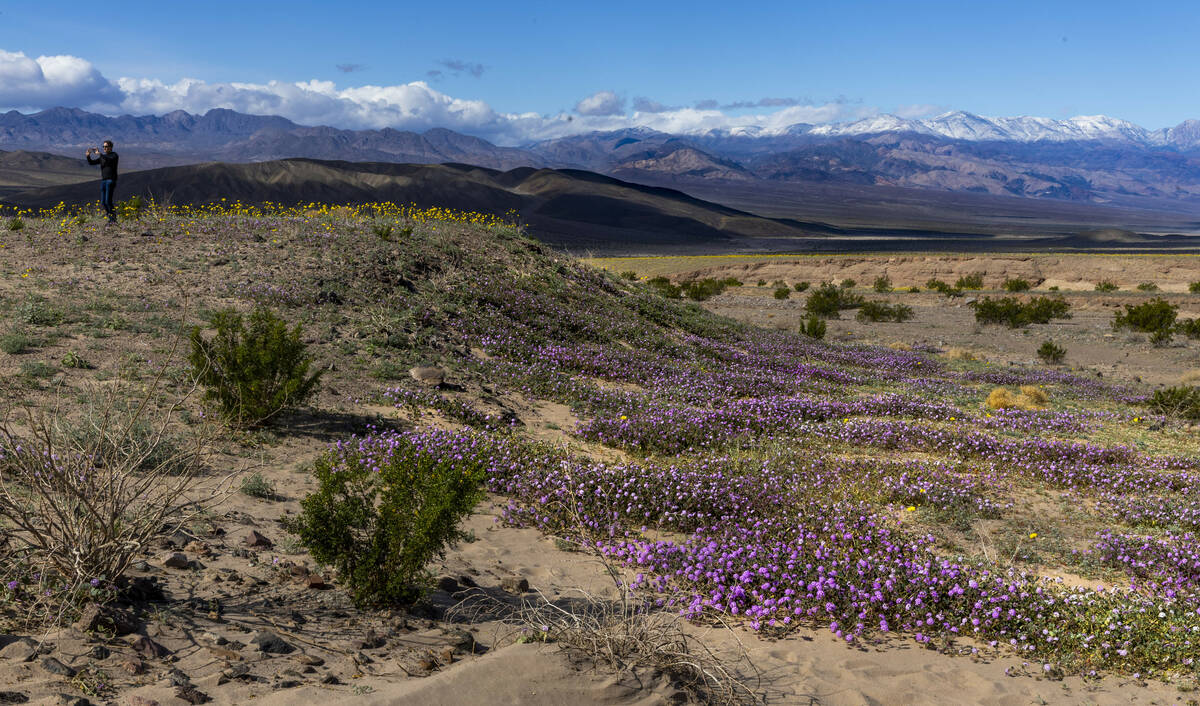
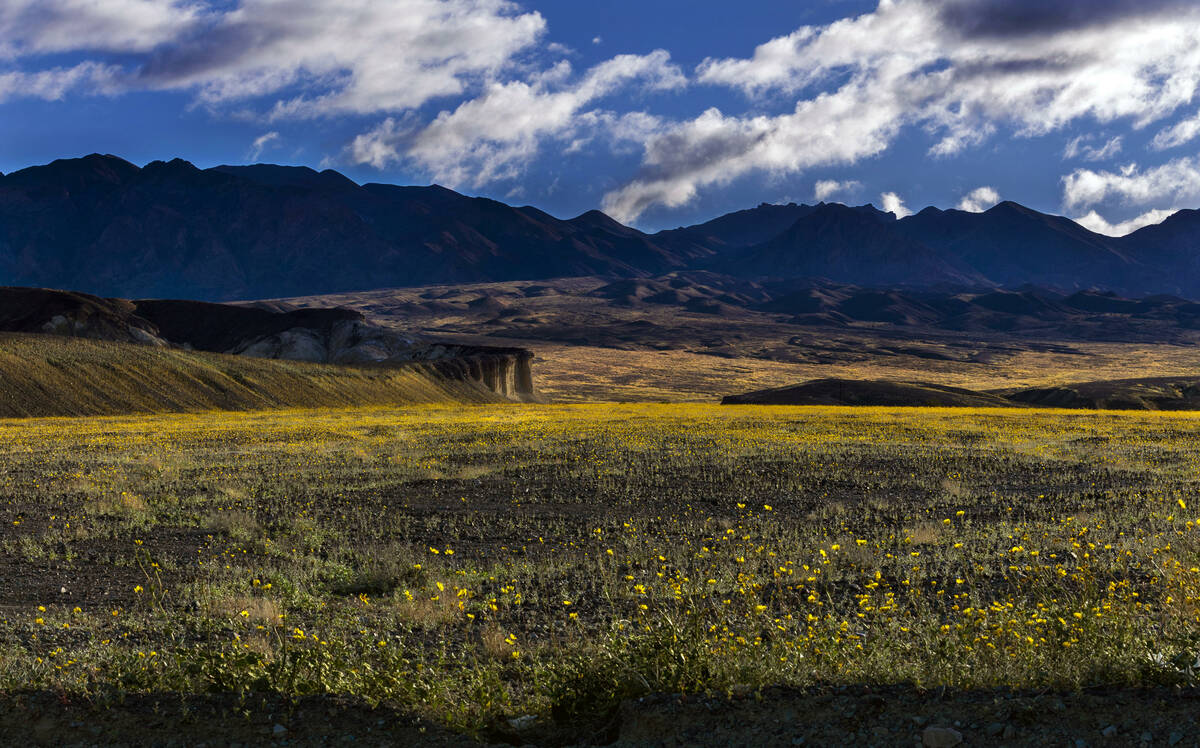
Across the park, usually dull, brown hills are now green — and draped in a technicolor tapestry of yellow, purple and white.
Rosa, a 45-year-old from Belgium, had been to the park before, some 15 years ago. Last Tuesday, it was nothing like she remembered.
“It’s beautiful because it shows that there’s life here, and that the desert is not barren and dead,” Rosa said, a point-and-shoot camera dangling around her neck.
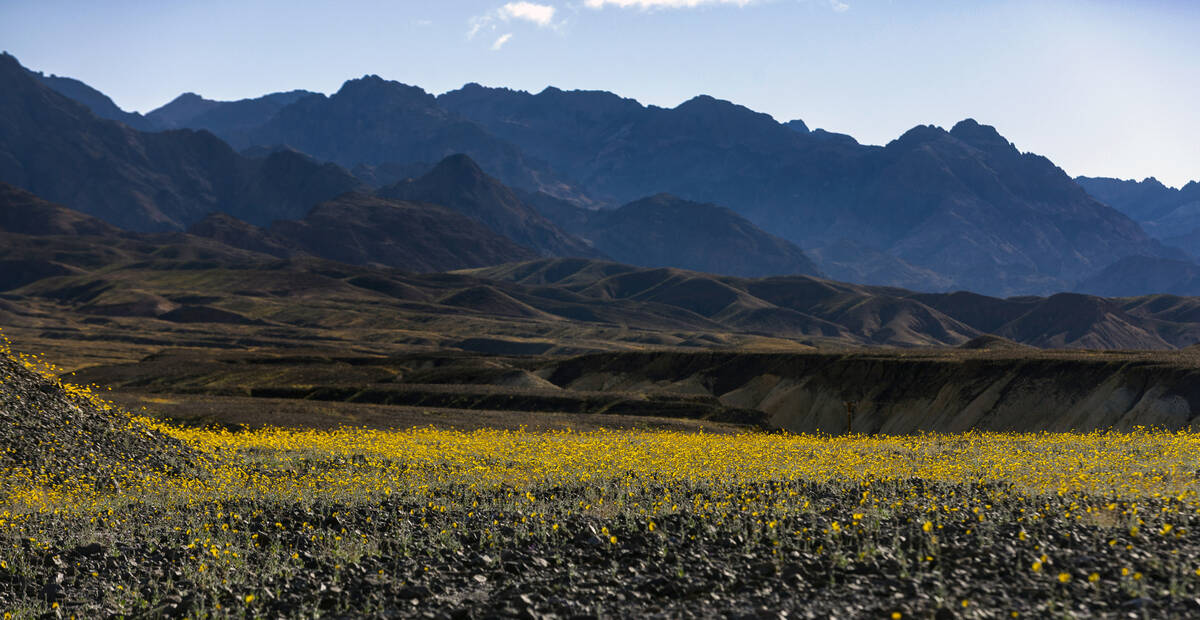
Death Valley National Park is brimming with wildflowers that sprawl for miles — a product of record rain at the end of last year and early warm temperatures. It has been a full decade since the park saw what everyone can agree was a so-called “superbloom,” or displays of wildflowers so impressive that thousands flocked to see the fully carpeted valley floors.
And while the term superbloom has no scientific definition, Acting Deputy Superintendent Abby Wines said park officials are warming up to the idea of declaring 2026 a once-in-a-decade banner year.
Usually, reporters make that determination before the park can, Wines said.
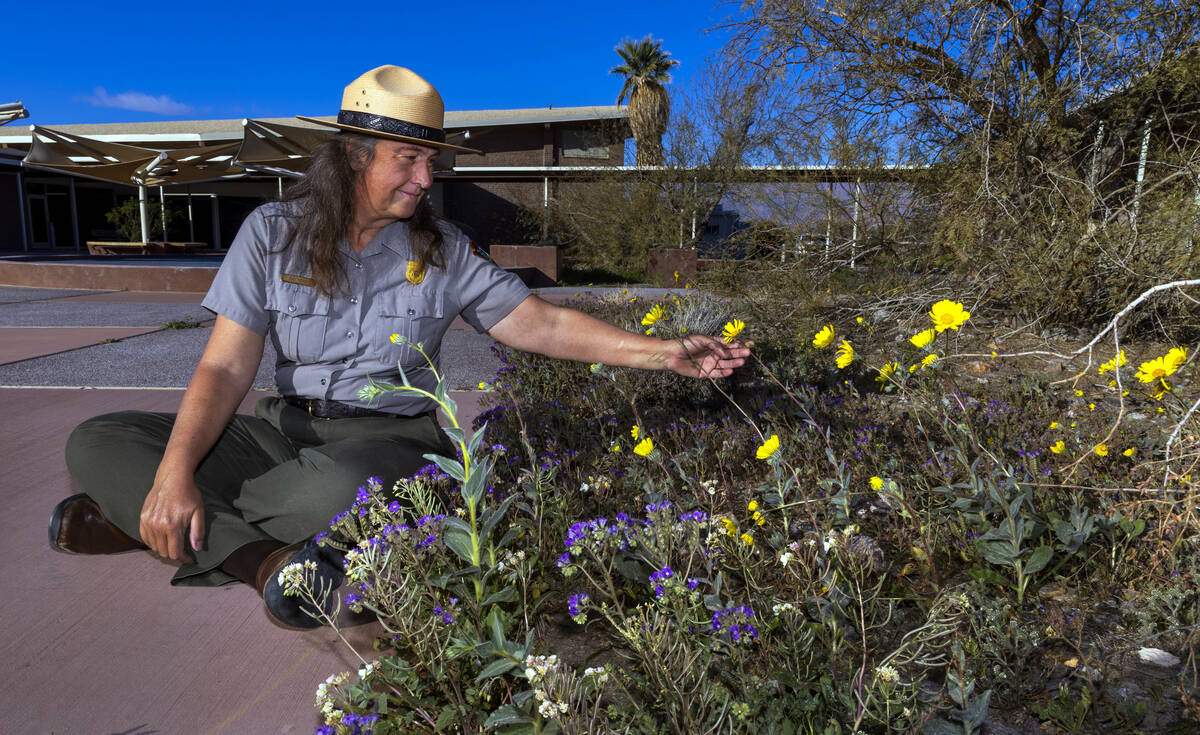
“It looks like it will be a superbloom — maybe not fully developed yet — but we’re heading in that direction,” she said in an interview last week as she sat beside a patch of flowers in the courtyard of the Furnace Creek Visitor Center.
The iconic thermometer outside the building read a crisp 65 degrees, much different from its hellish 120-degree summers.
“In my opinion, Death Valley is always gorgeous, but it takes an appreciation for rocks to see its beauty in the middle of the summertime,” Wines said. “To see a landscape that is normally barren rocks down in the valley transformed into carpets of color is a special experience at this level of intensity. It only happens about once every 10 years.”
Visitors from near and far
Though a map with wildflower hot spots greets patrons as they enter the visitor center, several told the Las Vegas Review-Journal that they hadn’t planned their trip around the bloom.
“I keep thinking, ‘I have to tell my parents to come here sooner rather than later, before word gets out about how pretty it is,’” said Lisa Wilson, who drove in from Sacramento, California, with her husband, Jeff, and two daughters. Death Valley is the 28th national park they have visited as a family, she said.
The secret is spreading fast. On certain days in early March, to stay at the Inn at Death Valley, one of four hotels within the park boundaries, it will run guests $1,072 a night, according to booking websites.
Luckily for Wilfred Ofosu, a 34-year-old visiting from Ghana, he was staying with a friend, Jim Clement.
Ofosu and Clement drove into the park on the south side from Shoshone, California. As of this week, the most dense spots are south, out by Ashford Mill and Jubilee Pass. Across the highway from the Harmony Borax Works site, due north of the visitor center, a full yellow coating is nearly impossible to miss from the main road.
Clement is one of about 200 people or so who live in Tecopa, California, one of the tiny desert outposts outside of the park known for the healing waters of its hot springs.
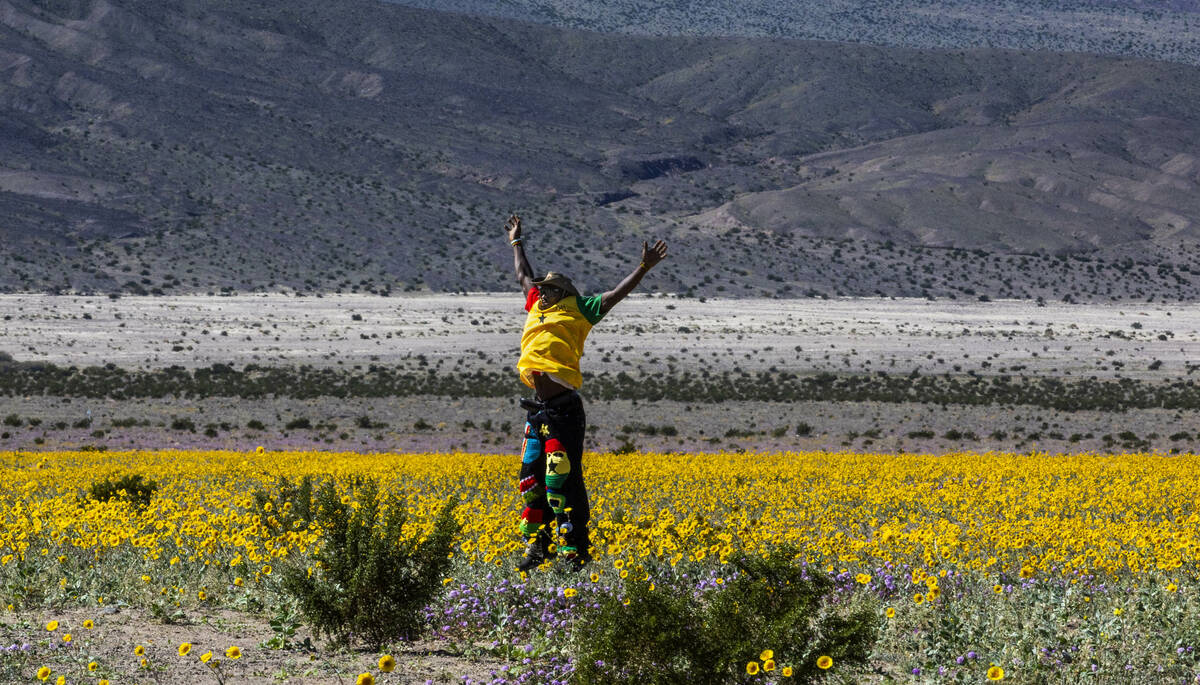
Ofosu, who said he’s a fashion designer back home, matched the desert gold wildflowers on Wednesday. He wore a bright yellow shirt and jeans embroidered with a face and other colorful icons.
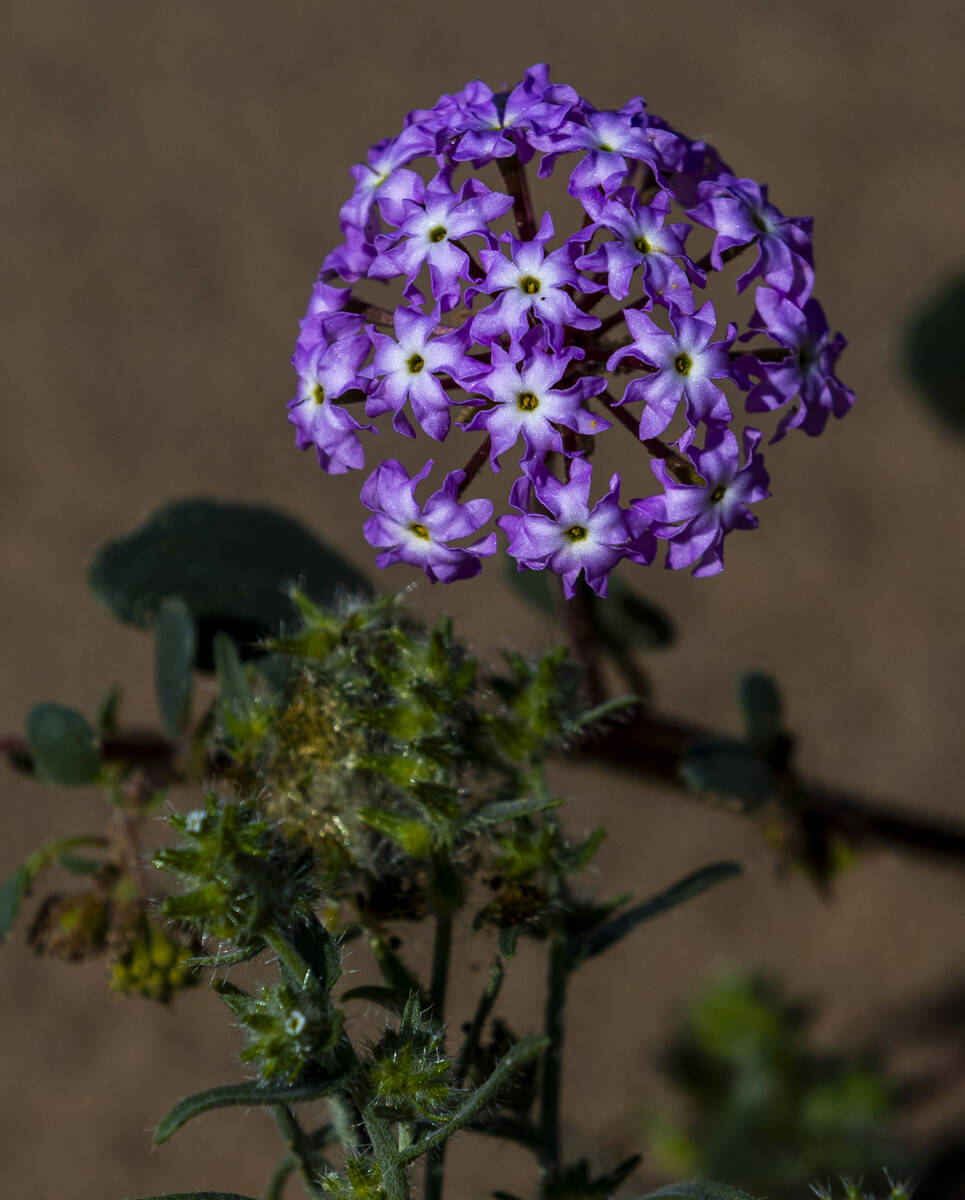
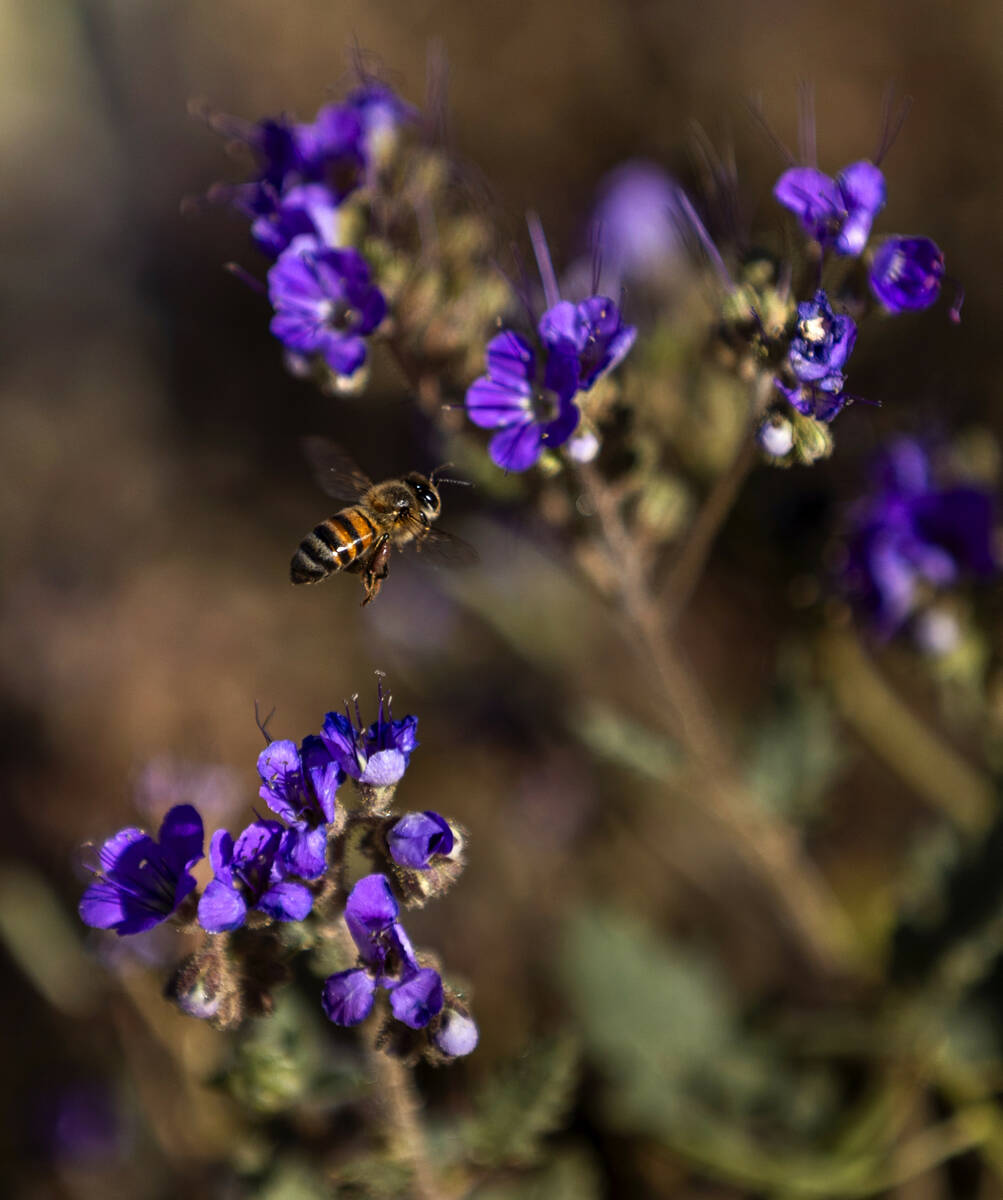
Welcoming visitors who came out of their cars at Jubilee Pass, the desert sand verbena’s fragrance hung in the air. The purple fields emitted a sweet smell akin to a mix of lavender and clean laundry.
“What’s amazing is that this is called Death Valley, yet all this survives here,” Clement said.
Respecting the seed bank
It may be tempting to frolic through the colorful fields or pick the wildflowers, but Desert Research Institute ecologist Tiffany Pereira said it’s important to consider the full life cycle when people visit.
Wildflowers are annuals, meaning they die off at the end of the season and produce seeds for the next generation once they reach maturity. In what scientists call a “seed bank,” certain seed species can lie dormant for upward of a decade until conditions are right again for a bloom, Pereira said.
One California gold poppy flower, for instance, could produce hundreds of seeds. If hundreds of people began to cut off the life cycle of a flower, that could be bad news for years to come.
“Now, you’re preventing tens of thousands of seeds from becoming a part of that soil seed bank that is so important for not only the species themselves, but for those future blooms that people will get to enjoy,” Pereira said. “It adds up very quickly.”
Pereira got to see the 2016 superbloom before the crowds descended on the park, she said. Within Death Valley, thousands of plant species exist — even small ones she lovingly calls “belly flowers,” because people must get low and close to notice them.
Seeing the flora come alive is a reminder of the resilience of desert ecosystems, especially at the extremes that Death Valley experiences as the hottest, driest and lowest-elevation place in North America, she said.
“Our desert environment is not as desolate as we think,” Pereira said. “It’s teeming with life.”
‘Stop procrastinating’
While the best wildflowers are on the south side of the park now, the blooms will begin to migrate northward to higher elevations, said Wines, the park ranger.
The middle section of the park and elevations up to 3,000 feet will be at their peak in March, Wines predicts, and April could spur blooms between 3,000 and 4,000 feet.
Should weather permit — rangers are wishing for both mild temperatures and rain — the wildflowers could last until May, when it’ll be nicest at elevations of about 5,000 feet, Wines said.
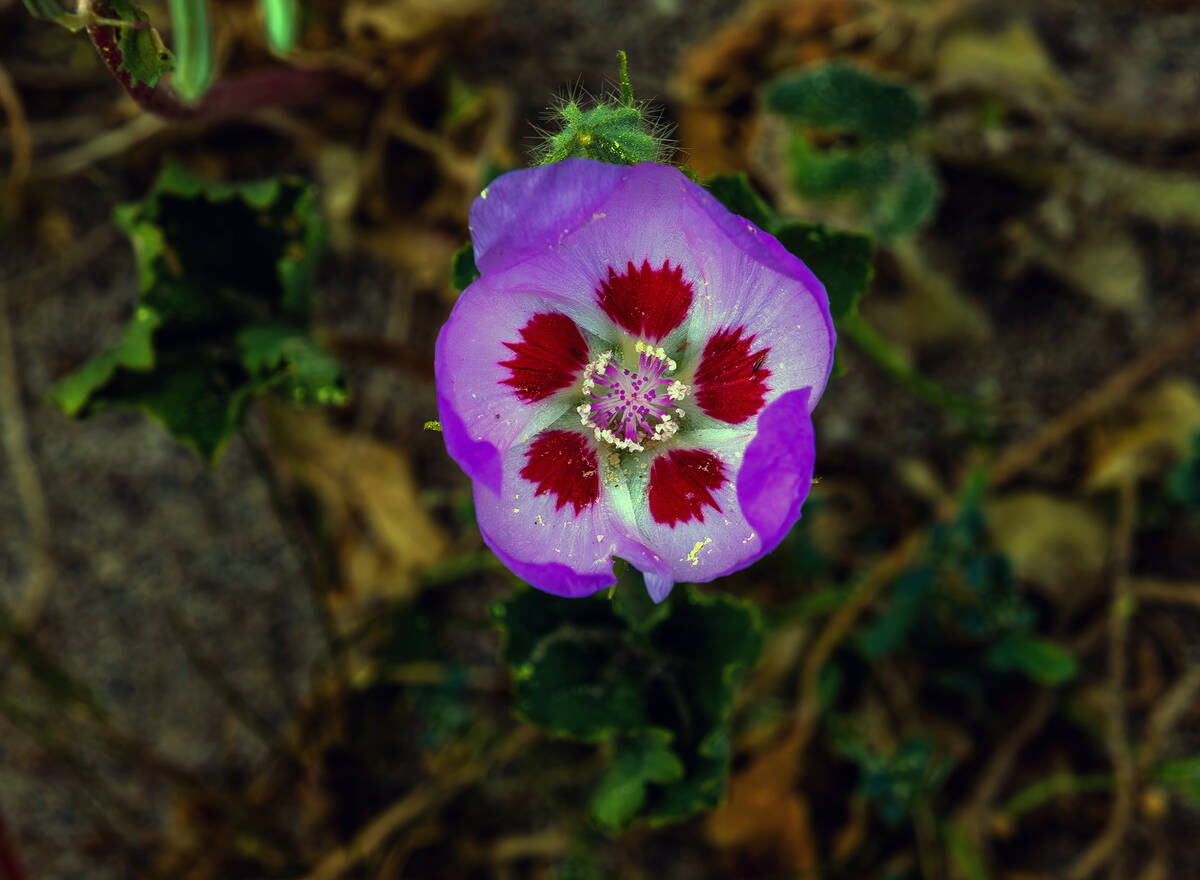
Wines challenges visitors to venture off to more remote sections of the park to find flowers that most won’t see. People should look out for the desert fivespot — a somewhat rare, fuchsia variety with five pink spots that resembles a place where a mythical fairy should live, she said.
“The natural world is such a good reminder to live in the moment and experience the beauty around us,” Wines said. “Wildflowers are the epitome of that. Come out to Death Valley, and stop procrastinating. It’s beautiful here.”
Contact Alan Halaly at ahalaly@reviewjournal.com. Follow @AlanHalaly on X.