

Thomas Knapp: Trump goes postal but in a good way
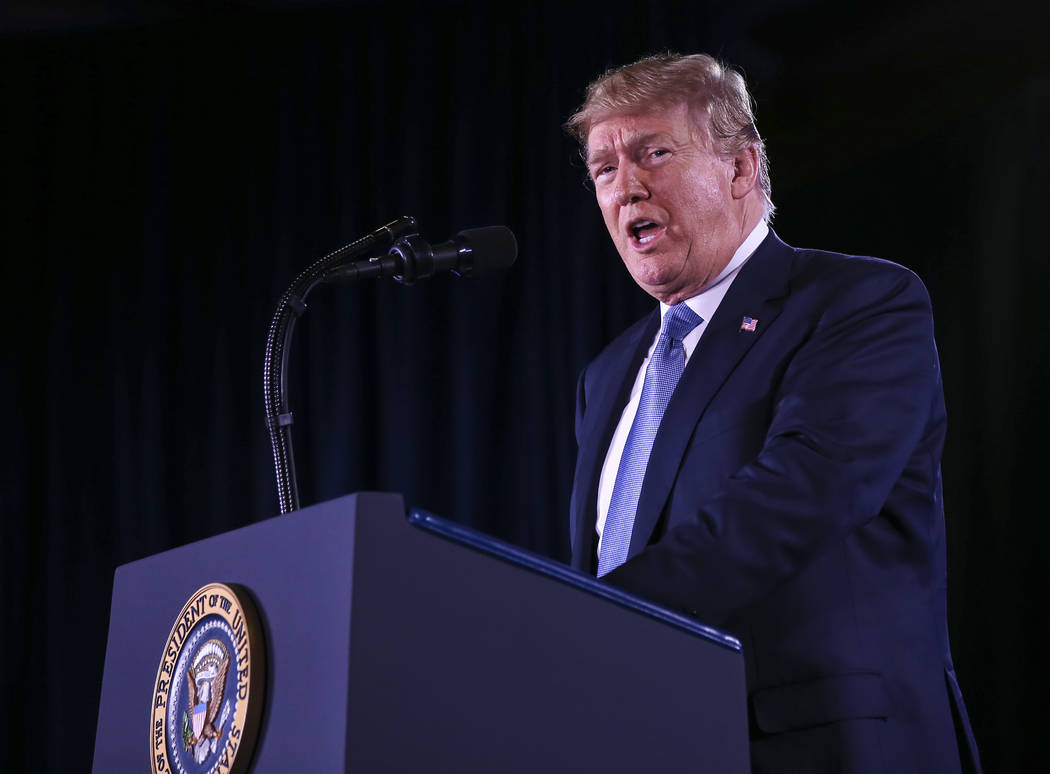





On Oct. 17, President Donald Trump announced plans to withdraw the United States from the Universal Postal Union, a 144-year-old international agreement which coordinates postal policies between 192 member nations.
Trump left open the possibility of remaining in the UPU if those policies can be successfully renegotiated. Unlike many of Trump’s initiatives relating to international trade, this one makes real sense.
The UPU’s outdated rate-setting model treats the world’s second largest economy, that of China, as if it was still the primitive precapitalist economy of 1874. The result: A massive subsidy from the U.S. Postal Service to China’s 21st century international retail sector. Companies shipping small parcels (“ePackets”) from China to the U.S. pay less than U.S. companies to ship parcels of similar size and weight across much shorter distances within the U.S. itself.
That subsidy has created a burgeoning business in jewelry, electronics, and other small items. Chinese firms already enjoy lower labor costs than their American counterparts. Throw in the ePacket subsidy, and an American who’s willing to wait a couple of weeks can get a set of guitar strings sent all the way from China for less than an American firm would pay just to ship the strings from, say, Coachella, California, let alone make them in the first place.
As of 2014, the U.S. Postal Service took a $75 million annual loss on the ePacket subsidy. That’s probably a tiny fraction of sales the subsidy artificially shifts from American firms to their Chinese competitors.
My family loves the Chinese e-commerce sites and sellers. And to be honest, many of the things we buy from them aren’t things that we’d otherwise buy domestically. They’re things we probably just wouldn’t buy at all at full American prices.
But why should you pay more for domestic USPS Priority Mail or Parcel Post so that I pay less to feed my guitar and harmonica habit or add to my wife’s earring collection? I’m sure we’ll get by without those cheap geegaws if we have to.
I doubt we’ll have to. As the ePacket subsidy comes to an end, I suspect private sector shipping firms will step in with something similar. The subsidy doesn’t just hurt American manufacturers and sellers. It also undercuts companies like UPS and FedEx. They may not be able to get shipping costs down to ePacket levels, but I bet they can compete with unsubsidized USPS shipping rates.
Thomas L. Knapp (Twitter: @thomaslknapp) is director and senior news analyst at the William Lloyd Garrison Center for Libertarian Advocacy Journalism (thegarrisoncenter.org). He lives and works in north-central Florida.