
Steve Sebelius: Nuclear power will ‘lumber into extinction,’ ex-regulator says
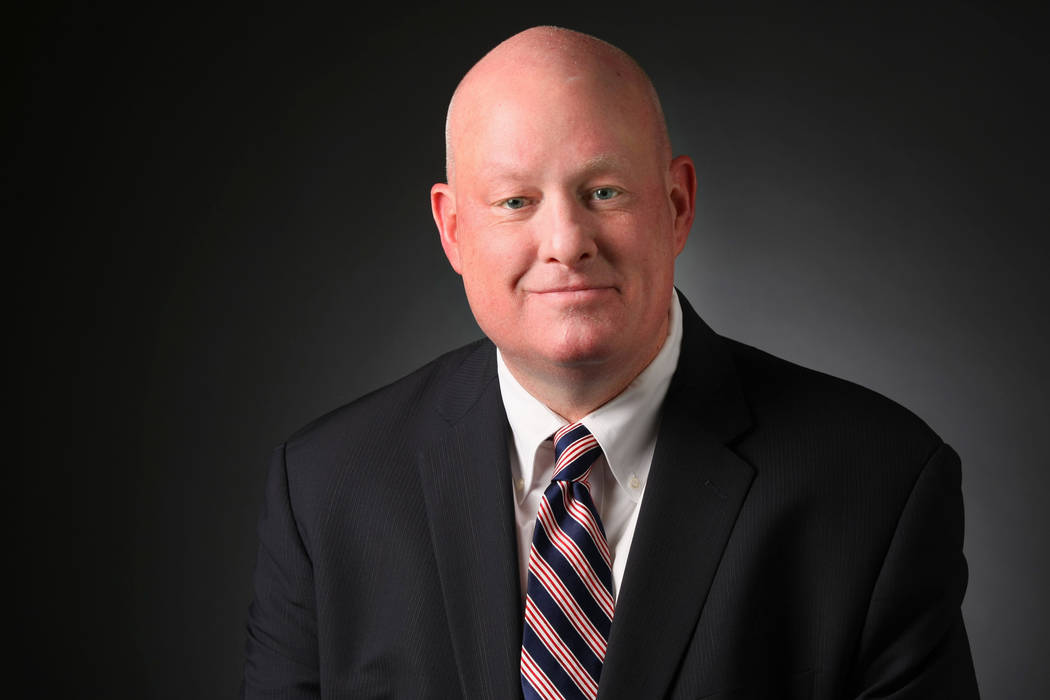





For Gregory Jaczko, the nuclear power question comes down to a basic quandary: For a nuclear reactor to be designed, built and operated safely, it has to be small, too small to make it useful as a commercial source of electricity.
And given that other, less complicated and risky sources of renewable energy are available, spending time and money on solving the large-scale nuclear issue isn’t necessary, he argues.
Jaczko’s conclusions are controversial, especially in the energy industry, where he ruffled feathers as a former member and chairman of the Nuclear Regulatory Commission. But Jaczko, who holds a doctoral degree in theoretical particle physics from the University of Madison-Wisconsin, is convinced the equation is relatively simple.
“The longer you operate nuclear power plants, the more accidents are going to happen,” he said. “The more power plants you upgrade, the more accidents you’re going to have.”
It’s a bold statement in America, where there have been some mishaps, but nothing even close to the scale of infamous nuclear catastrophes, such as the 1986 Chernobyl explosion or the 2011 disaster at Fukushima Daiichi plant in Japan. Many in the industry would accuse Jaczko of being an anti-nuclear alarmist, and note that he’s a longtime opponent of the proposed Yucca Mountain nuclear waste repository in Nevada.
But Jaczko, whose rocky tenure atop the NRC is discussed in his book, “Confessions of a Rogue Nuclear Regulator,” documents his opinions carefully, and suggests that even if nuclear plants could be designed more safely to avoid catastrophic accidents, the expense wouldn’t be worth it because of the availability of cheaper, renewable alternatives such as solar power, wind farms, geothermal plants and the like.
“Today, there’s not a debate anymore because you can solve the climate problem without nuclear,” he said. “So you don’t have to deal with any of these other issues anymore. And you can solve them with things that are cheaper. They do not create the same kinds of challenges.”
And the challenges aren’t just in designing, building and operating nuclear plants safely, or in finding a way to dispose of or reuse the spent fuel from those reactors. They’re also political, he says.
“In hindsight, the Fukushima incident revealed what has long been the sad truth about nuclear safety: the nuclear power industry has developed too much control over the (Nuclear Regulatory Commission) and Congress,” Jaczko writes in his book. “In the aftermath of the accident, I found myself moving from my role as a scientist impressed by nuclear power to a fierce nuclear safety advocate. I now believe that nuclear power is more hazardous than it is worth.”
Other countries are moving away from nuclear power: Countries such as Germany, Sweden, Switzerland and Italy have decided to phase out nuclear power, although it remains the largest source of power in France. After the Fukushima disaster, Japan shut down all of its nuclear power plants, although some have since been restarted.
China, however, is building new plants and adding to its overall nuclear capacity.
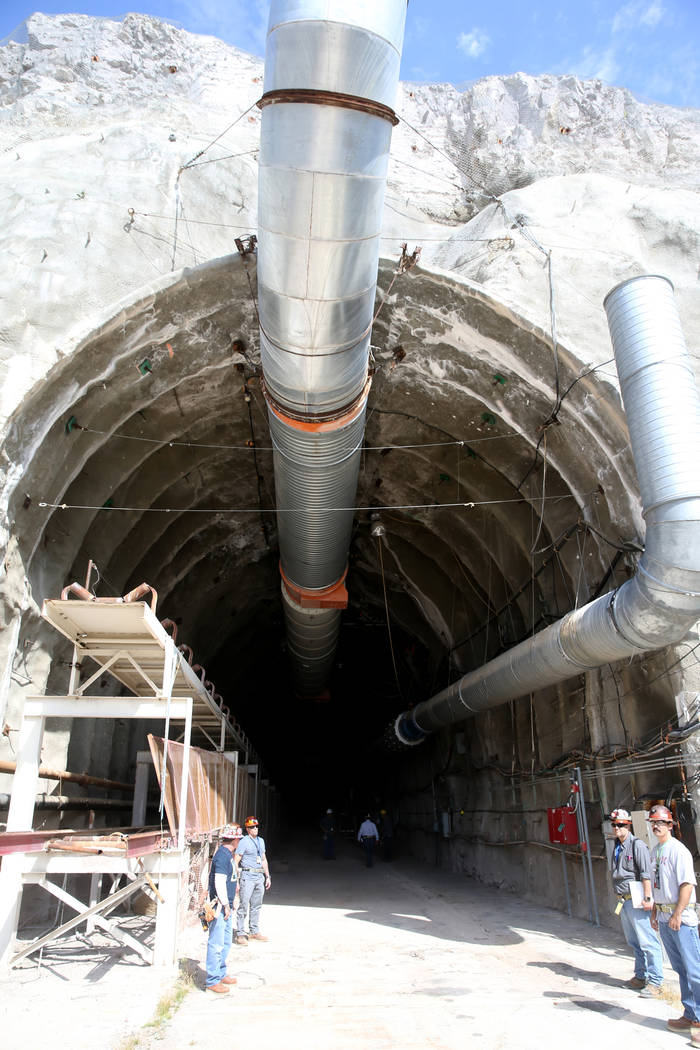
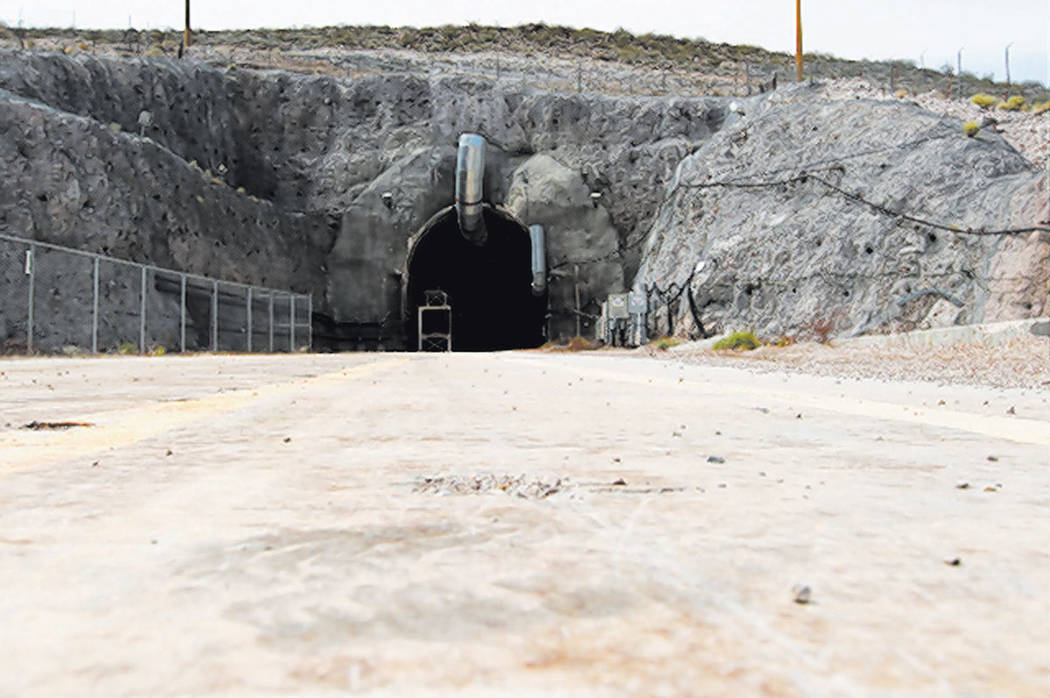
Jaczko also makes the point that continued use of nuclear power puts pressure on regulators and the government to find a place to dispose of spent nuclear fuel. Currently, there’s only one target, the Yucca Mountain repository in Nevada, which has seen renewed interest from Republicans during the Trump administration.
But that site has long been opposed by most state officials out of concerns about safety, concerns that have been increased after recent California earthquakes. Not only that, but revelations that the government secretly shipped plutonium for temporary storage to the Nevada National Security Site, and may have mixed in reactive waste products with lower-level waste in other shipments, have stirred serious concerns among Nevada officials.
“As waste piles up, we leave behind dangerous materials that later generations will eventually have to confront,” Jaczko wrote in his book. “The short-term solution — leaving it where it is — can certainly be accomplished with minimal hazard to the public. But such solutions require active maintenance and monitoring by a less-than-willing industry.”
He adds: “There is only one logical answer: We must stop generating nuclear waste, and that means we must stop using nuclear power. I wish that as chairman (of the Nuclear Regulatory Commission) I’d had the courage to say this, but my courage had its limits. I knew the backlash that would come if the chairman of the NRC were to admit our country should stop producing nuclear power.”
But now, like many former elected officials or political appointees, he’s freed from the shackles that responsibility imposed upon his candor. He predicts that nuclear power will “lumber into extinction” in favor of cheaper, safer, cleaner and more readily viable technologies and that “we will likely begin to think of electricity much as we do hot water; as something we make in our homes on demand.”
Steve Sebelius is politics and government editor at the Las Vegas Review-Journal.