
Curbside Nevada: A helpline for doctors, by doctors





Often medical personnel treating patients with COVID-19 experience enormous psychological stress.
In late April, 14 Nevada psychiatrists, including three from Reno, established “Curbside Nevada,” a volunteer-based help line for doctors, nurses and first responders treating patients with coronavirus.
NOTE: To contact Curbside Nevada call 877-493-0007 and choose option 2 between noon and 10 p.m., seven days a week.
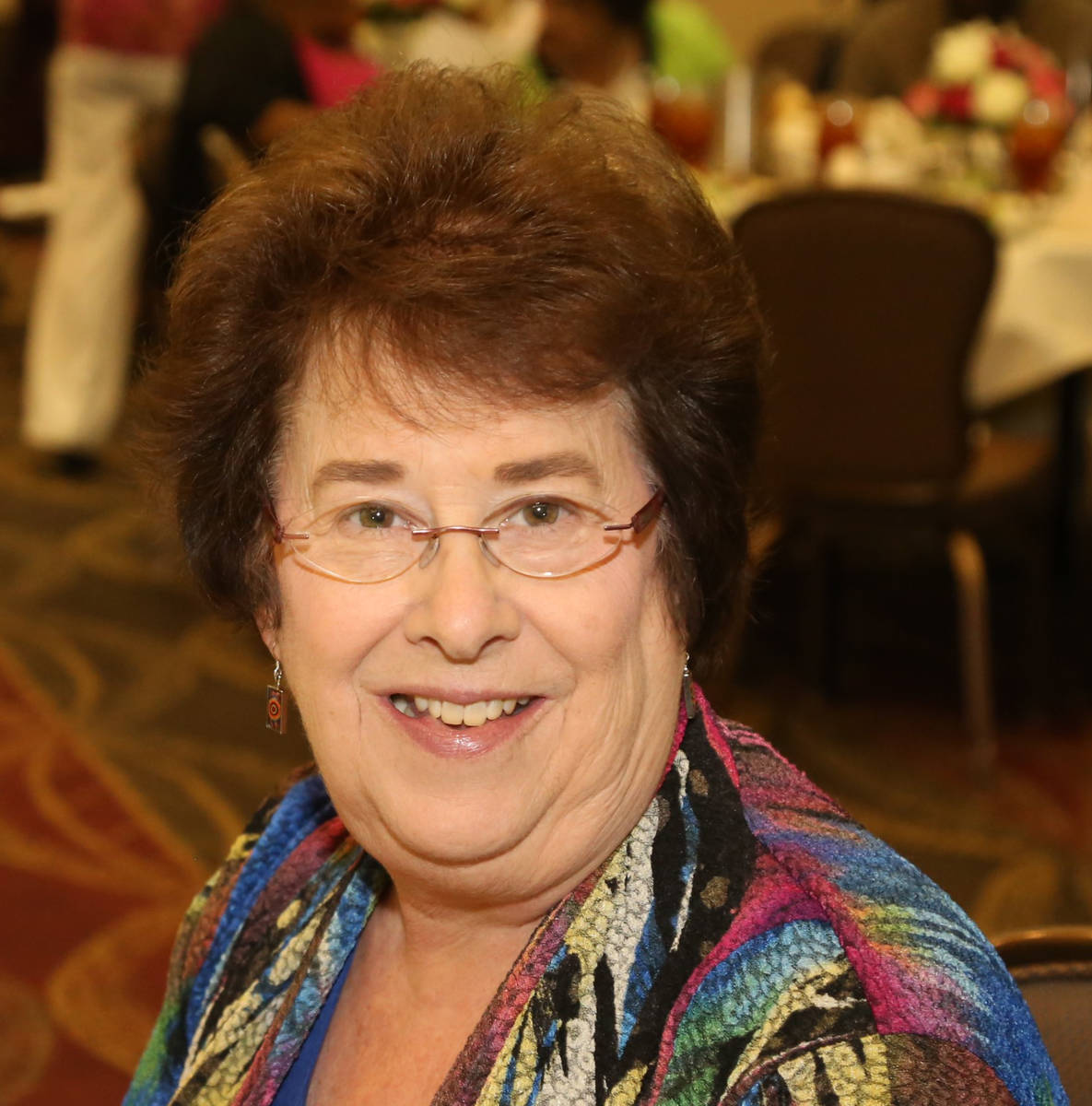
As told to Kim Palchikoff by Dr. Lesley Dickson, a psychiatrist for 34 years:
Dr. Lesley Dickson: “We are 14 volunteer psychiatrists who field phone calls every day from noon to 10 p.m. “Curbside” is a term we use when we discuss another doctor’s question about a patient in the hallway. We don’t take notes or chart anything. It’s just a discussion.
As of May 19 more than 7,046 cases of COVID-19 have been confirmed in Nevada and 365 people have died, according to the Nevada Department of Health and Human Services.
As medical doctors ourselves, we understand other physicians and what it means to manage a patient. We know how hospitals and medical equipment work. We see things from a medical point of view and understand doctors’ feelings. Those treating patients with COVID-19 are under a lot of stress.
They’re tired, not sleeping well, working long shifts, and it can be overwhelming. They’re dealing with many expectations, and their feelings can get out of control.
Doctors are often taught to keep their emotions inside, and we let them know that it’s OK to share their feelings. Doctors often are not very good about asking for help. They have twice the suicide rate as the general public. These days they can feel helpless, like there’s not enough they can do for their patients. No one expected just how damaging the coronavirus would be to someone’s lungs and how it destroys them. It’s hard to believe how patients get so sick and so fast.
Doctors deal with a lot of fear, like that there will not be enough intensive-care beds or that situations will get out of hand. We were fortunate in Las Vegas when Sands Chairman Sheldon Adelson sent his private plane to China and brought back one million masks.
Before COVID-19, doctors generally were not at risk when practicing in a hospital. That’s not true anymore.
Doctors never like to lose a patient. When they do, they often tell themselves there was nothing they could have done to keep their patient from dying. But then there’s the emotional side. Doctors often struggle with feelings of guilt and a sense of failure.
The trend over the last few years is for hospitals to hire their own doctors, and it’s not uncommon for doctors to fear losing their job if they don’t do everything they’re expected to. It’s hard. They are making a lot of fast changes in their lives.
Medical personnel who work in hospitals work long hours and we can’t help them with this. As psychiatrists on the “warm line” we cannot sign someone out of their shift, but we can help them relax.
There’s been some comparison of the coronavirus to the early days of the AIDS virus, before doctors understood what it was. They would stand at the door to talk to their patients. Orderlies put food trays outside the door. But they themselves were never really at risk. Health care workers weren’t dying. Now doctors are at risk, and they’re worried about their colleagues, who also have become their friends. That is an enormous stress — to think about losing someone with whom you work.
For individuals with families, in the past they could turn to them for stress relief. This pandemic and the contagiousness of the virus has led many doctors, nurses to behave in ways protective of their families. Some are even getting hotel rooms to avoid going home while others are sleeping in separate areas of the house.
When we get a phone call we can be supportive. We provide them with coping skills, talk about the importance of taking care of themselves on their free time: practicing relaxation, mindfulness, getting some exercise.
We tell them to avoid watching TV or playing video games before bed or drinking caffeinated beverages. If we get calls from people who really need to get into some form of therapy or treatment, we try to encourage that.
The number of coronavirus patients is coming down and the situation is getting a tad bit better. If we let up too fast, though, things can get problematic again. There’s some prediction of a second wave, it may be part of the flu virus in the fall or winter. This coronavirus may mutate.
AIDS is still out there. People who have it take medications and live normal lives. Hopefully researchers soon will find drugs to treat the coronavirus as well.”
Dr. Lesley Dickson is the state legislative representative for the Nevada Psychiatric Association (www.nvpsychiatry.org) and medical director at the Center for Behavioral Health. She can be contacted at lesleyru@aol.com.
Kim Palchikoff is a mental health columnist for No Stigma Nevada. She can be reached at palchikoff@gmail.com