
Lawsuit launched to protect Nevada toad and fish species
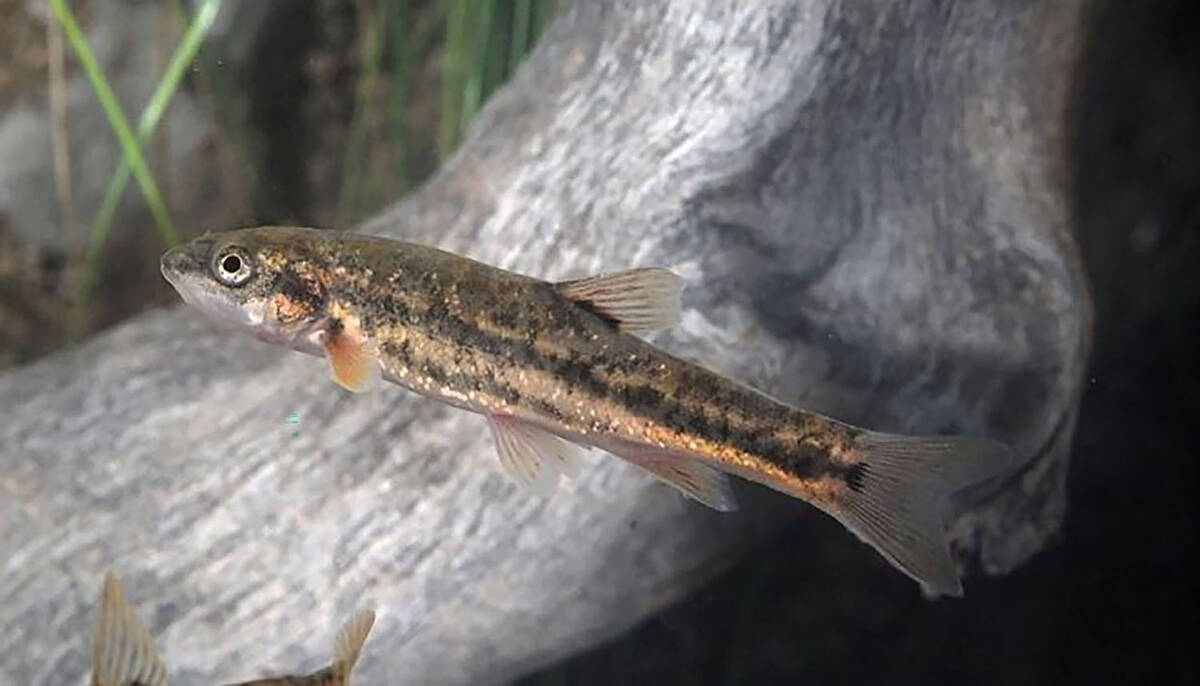




The Center for Biological Diversity, a wildlife advocacy organization, has launched a lawsuit against the U.S. Fish and Wildlife Service (USFWS) with the goal of protecting two Nevada animals. A press release about the lawsuit claims these animals’ aquatic habitats may be depleted by groundwater pumping for nearby gold mines and will make the animals closer to extinction.
“We won’t stand idly by and watch a mining company imperil the Amargosa River and push these special animals toward extinction so its shareholders can make a buck,” said Patrick Donnelly, Great Basin director at the Center for Biological Diversity in the press release. “The Amargosa toad and Oasis Valley speckled dace are small but powerful symbols of the remarkable biodiversity that makes Nevada so special. At this point the Endangered Species Act is their last line of defense.”
The press release states that the Amargosa toad and Oasis Valley speckled dace are only found in a handful of springs along the Amargosa River near Beatty.
“Their fragile habitats are supplied by ancient groundwater aquifers that filled during the last Ice Age,” the press release continued.
The Amargosa toad’s current status under the U.S. Endangered Species Act is “under review,” according to the USFWS Environmental Conservation Online System (ECOS). The Oasis Valley speckled dace’s status is currently “not listed” on ECOS.
“In 2024 the center filed petitions with the Fish and Wildlife Service to protect the toad and fish under the Endangered Species Act. In early 2025 the service found that protections for these species may be warranted,” stated the press release.
Although the Amargosa toad is not protected under the U.S. Endangered Species Act, the animal is listed as “critically endangered” by the International Union for Conservation of Nature (IUCN) on its Red List of Threatened Species. The Oasis Valley speckled dace is not listed on the IUCN Red List.
“The service had one year from the petitions’ filings to decide whether to protect the animals under the Endangered Species Act. The agency missed that deadline. Today’s 60-day notice of the center’s intent to sue is required under the act,” the press release continued.
The press release states that AngloGold Ashanti, a gold mining company, has “as many as seven gold mining projects under permitting or exploration, encircling the town of Beatty and the Amargosa River,” claiming these gold mines could use billions of gallons of water.
Jasper Carlton, founder of the Biodiversity Legal Foundation, which later merged with the Center for Biological Diversity, originally petitioned for federal protections in 1994 for the Amargosa toad. Due to insufficient information about the species, protections were denied. In 2008, the Center for Biological Diversity filed another petition, but protections were denied because of a collaborative conservation agreement between local, state and federal agencies and others working with landowners to decrease threats facing the toads.
“Collaborative conservation won’t stop these gold mines from drying up a river,” said Donnelly further in the press release. “Water is more precious than gold, life is worth more than money and extinction is forever. We won’t rest until the Amargosa toad and the Oasis Valley speckled dace are safe.”
For more information about the Center for Biological Diversity and to read the full press release about the lawsuit, visit biologicaldiversity.org.
Contact reporter Elijah Dulay at edulay@pvtimes.com