
The Bumble Bee Atlas: Conservation through community
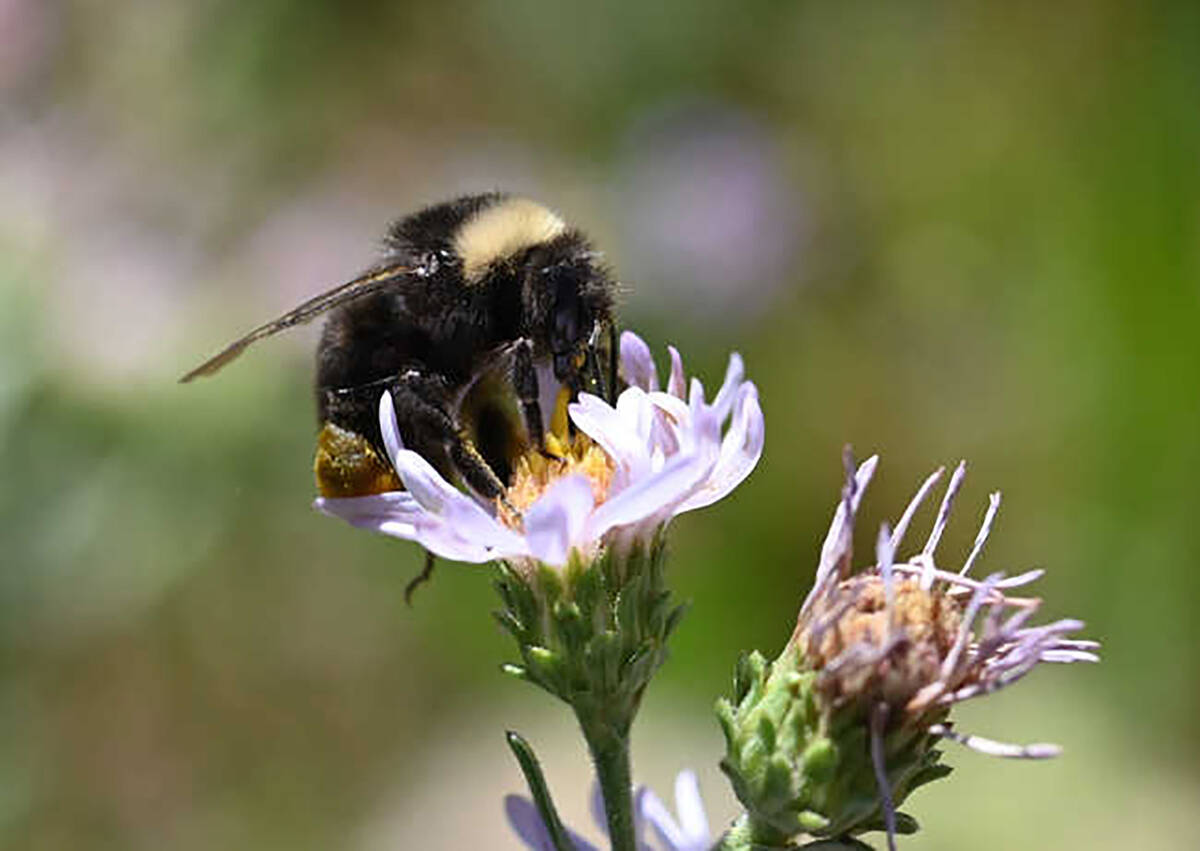
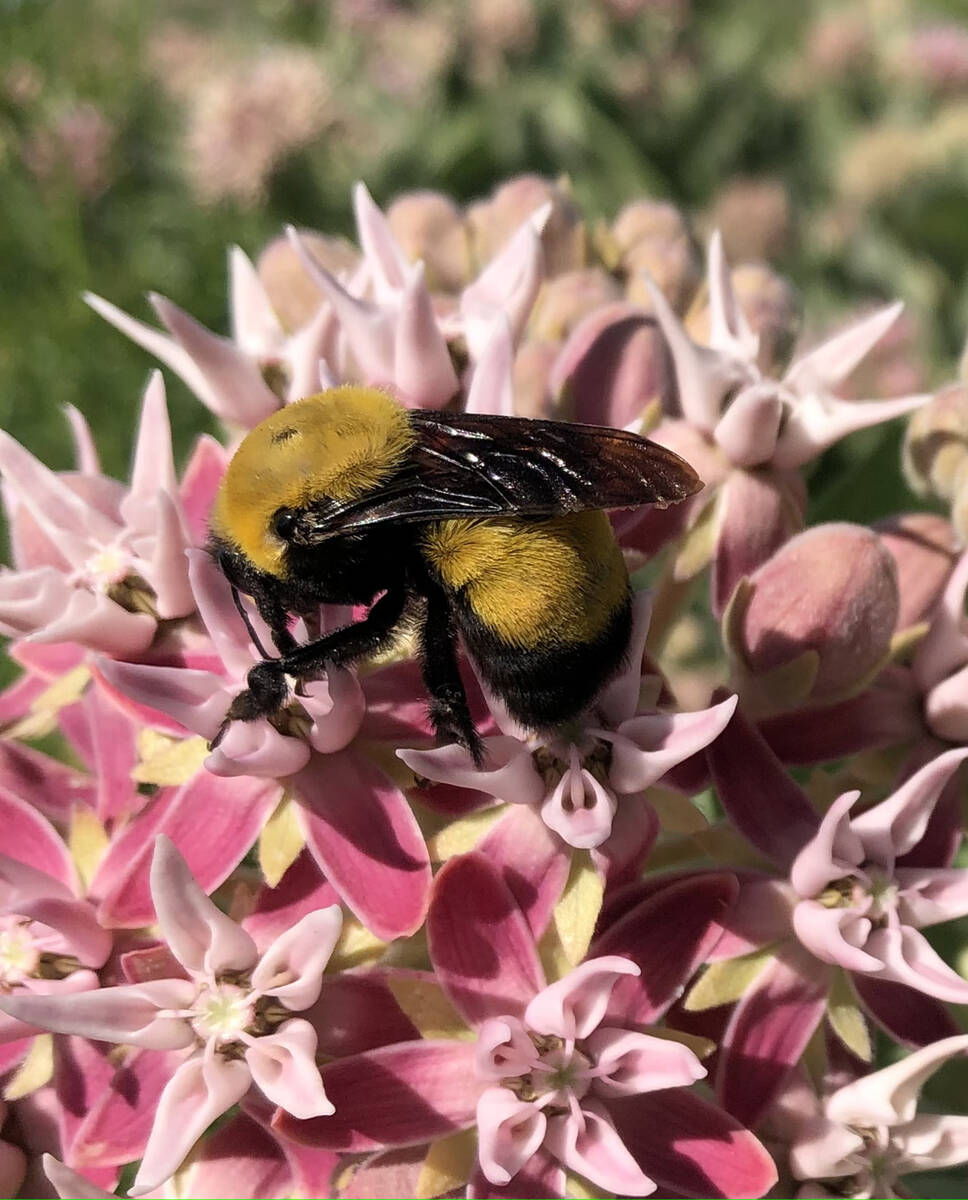



Bumblebees are not as common as they once were, but there are ways to help protect these insects, conservation biologist Amy Dolan explains.
Dolan is coordinator of the Mountain States Bumble Bee Atlas, a program administered by science-based nonprofit organization Xerces Society for Invertebrate Conservation.
“Bumblebees and all pollinators are considered keystone species, which means they’re really important in preserving all of our habitats,” Dolan told the Pahrump Valley Times.
“The Bumble Bee Atlas is a community science project, and we truly mean that. Anyone who is interested can be trained, participate and help us,” Dolan explained. “It is a large-scale data-gathering endeavor, where we train our volunteers to go out and help us look for bumblebees across the region, because we know that several of our species of bumblebees are facing risks of extinction.”
The Mountain States Bumble Bee Atlas tracks bees across Colorado, Utah, Wyoming and Nevada, with support from the Bureau of Land Management and Colorado Parks and Wildlife.
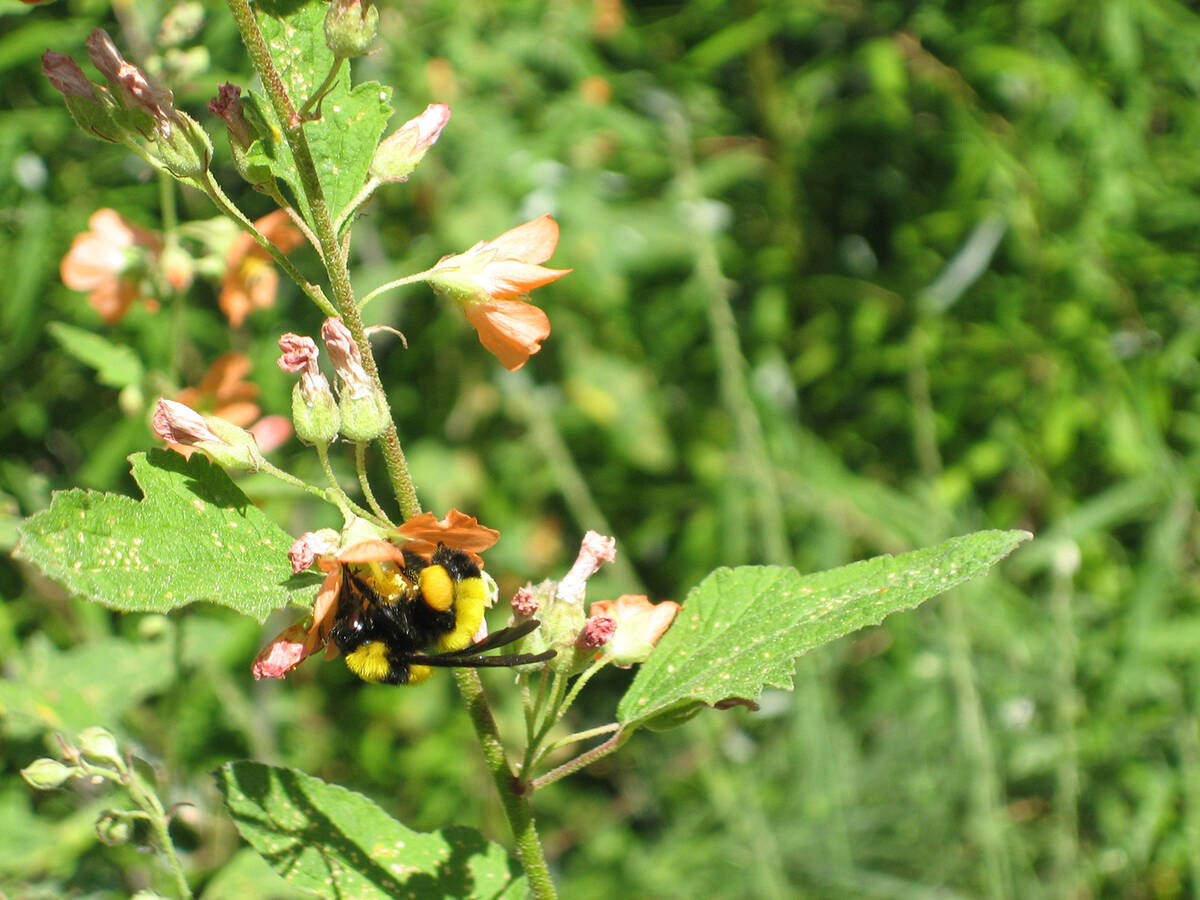
“There’s a lot of threats to their populations, and so we want to learn where they are, what their current ranges are, what flowers they’re using for food, what habitat they’re relying on,” Dolan elaborated.
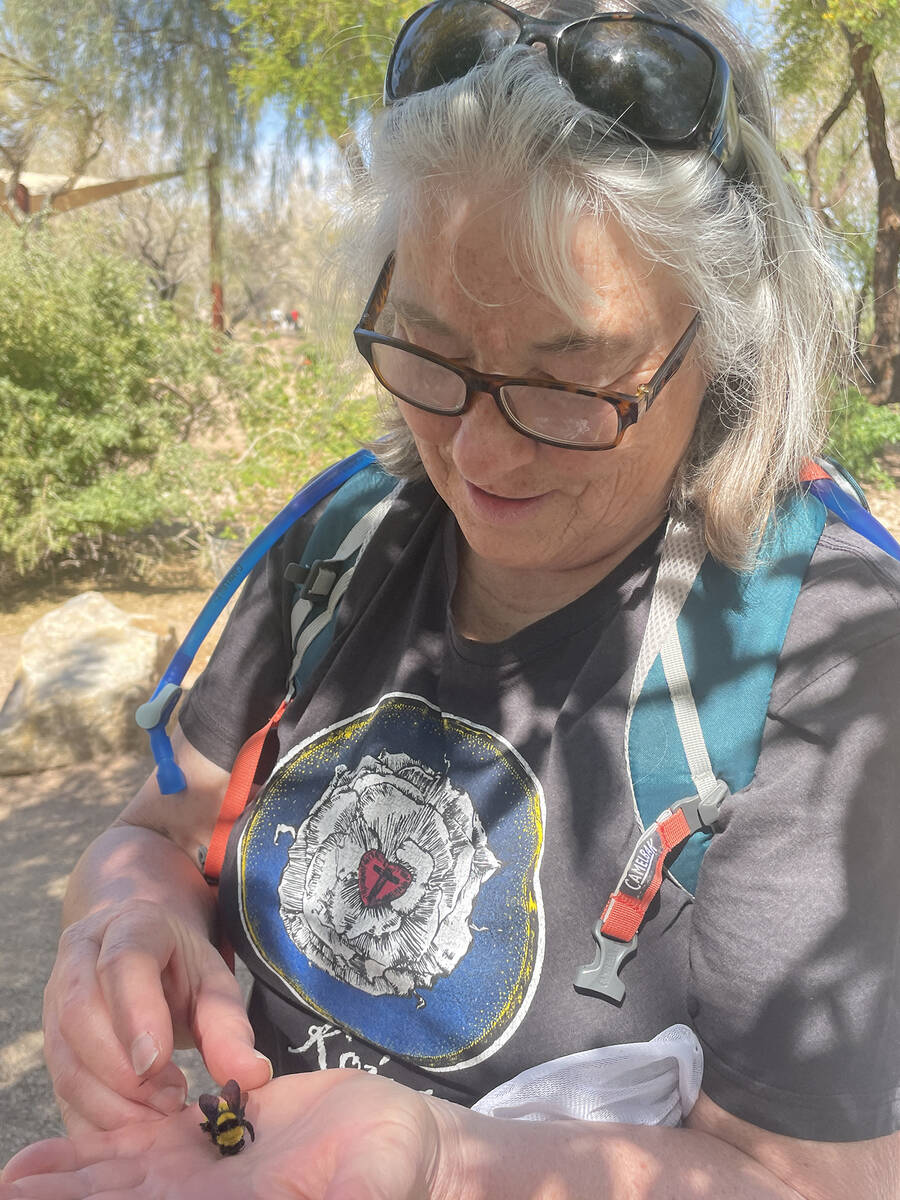
Those interested in helping with the Bumble Bee Atlas can find online training resources on how to catch, photograph, release, document and collect data on bees in their local areas.
“They upload the pictures, and my team and I at Xerces, we can identify them from those photos,” Dolan said. “We’re working on mapping all of the different species and where they are across the mountain states and the other states where we have atlas projects.”
Dolan explained that bumblebees are seeing declines due to many factors, including habitat loss, pathogens, pesticides and changing landscapes through extreme droughts and high temperatures.
“We’re just trying to figure out where they are in all these challenging conditions, so that we can share what we learn with land managers and they can prioritize conservation action,” Dolan said.
To assure sampling effort is spread across the area, the Mountain States Bumble Bee Atlas region is split into 550 grid cells. The cell grid that encompasses Pahrump is red, marking it as high priority, needing at least two surveys.
“Nevada in general has historically been understudied in a lot of areas of biology. A lot of different animals and plants just have historically been understudied because Nevada’s so big, there are so few people, and there are so many rural areas,” Dolan detailed. “It’s just a place that we don’t have a lot of historical data, and so anything that people, especially in the rural parts of Nevada, can do to help with the project is super valuable because we just don’t have a lot of volunteers from those areas, and we really need data from those places.”
For more information about the Bumble Bee Atlas and how to get involved, visit bumblebeeatlas.org.
Contact reporter Elijah Dulay at edulay@pvtimes.com