
Caution urged as heat wave grips Southern Nevada
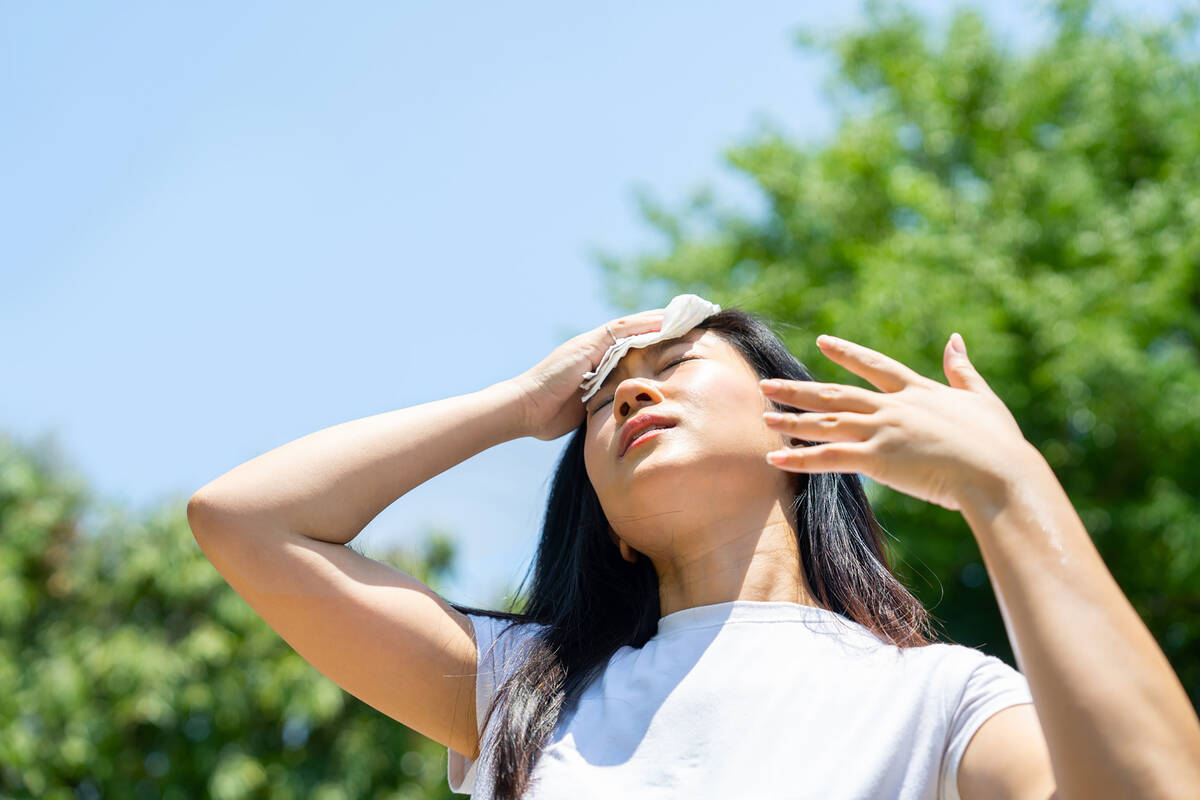





Today is only the first day of spring and already, the heat is on.
All across Southern Nevada, a heat wave is pushing temperatures to record-breaking highs, leading the National Weather Service to issue its first extreme heat warning of 2026. Affected areas included western Clark County and southern Nye County, encompassing both the Pahrump and Amargosa valleys. The warning is set to continue until 8 p.m. Sunday, March 22.
“Numerous daily and monthly heat records are in jeopardy through at least Sunday,” the National Weather Service notes.
In addition, an extreme heat watch, otherwise known as a heat advisory, has been issued for the Beatty and central Nye County areas, to continue until 8 p.m. Saturday, March 21.
“As summer approaches, prepare for extreme heat, flash floods and power outages, especially in Nevada desert areas,” Nye County Public Communications Manager Arnold Knightly announced in a news release this week. “The Nye County Department of Emergency Management is sharing key tips to stay safe as Central and Southern Nevada are expecting 30-degree higher than normal temperatures throughout the weekend.”
Among the tips Nye County is highlighting are actions to take prior to and during any extreme heat event, along with ways to conserve energy and keep cool.
“Contact your utility company [before extreme heat] for energy-saving tips,” the county advises. “Keep emergency numbers handy. Establish a buddy system for homebound individuals. Learn heat disorder symptoms and first aid.”
There are three primary heat-related conditions residents and visitors should watch for, including heat cramps, heat exhaustion and heat stroke. Knowing the difference between them is crucial, as they should be treated differently.
As detailed by the National Weather Service, heat cramps are accompanied by painful muscle cramps and spasms, particularly in the legs and abdomen. Heat exhaustion is signaled by dizziness; thirst; heavy sweating; nausea or vomiting; weakness or tiredness; cool, pale, clammy skin; a fast, weak pulse; muscle cramps; headache; and possible fainting. Heat stroke includes a throbbing headache; confusion; slurred speech; nausea; a body temperature over 103 degrees; hot, red, dry or damp skin; rapid and strong pulse; dizziness; fainting and unconsciousness.
For heat cramps, apply firm pressure or gently massage cramping muscles and take small sips of water, unless nausea is present. If cramps last longer than an hour, seek medical attention.
With heat exhaustion, move to a cooler area, loosen clothing and sip cool water. If symptoms don’t improve, get medical help.
When it comes to heat stroke, immediately call 911 and move the person to a cooler location. Loosen and remove extra layers of clothing and cool the person with water or ice until emergency responders arrive. Do not give fluids to anyone experiencing heat stroke.
“Heat cramps may be the first sign of heat-related illness and may lead to heat exhaustion or stroke,” the National Weather Service explains. “Heat stroke can cause death or permanent disability if emergency treatment is not given.”
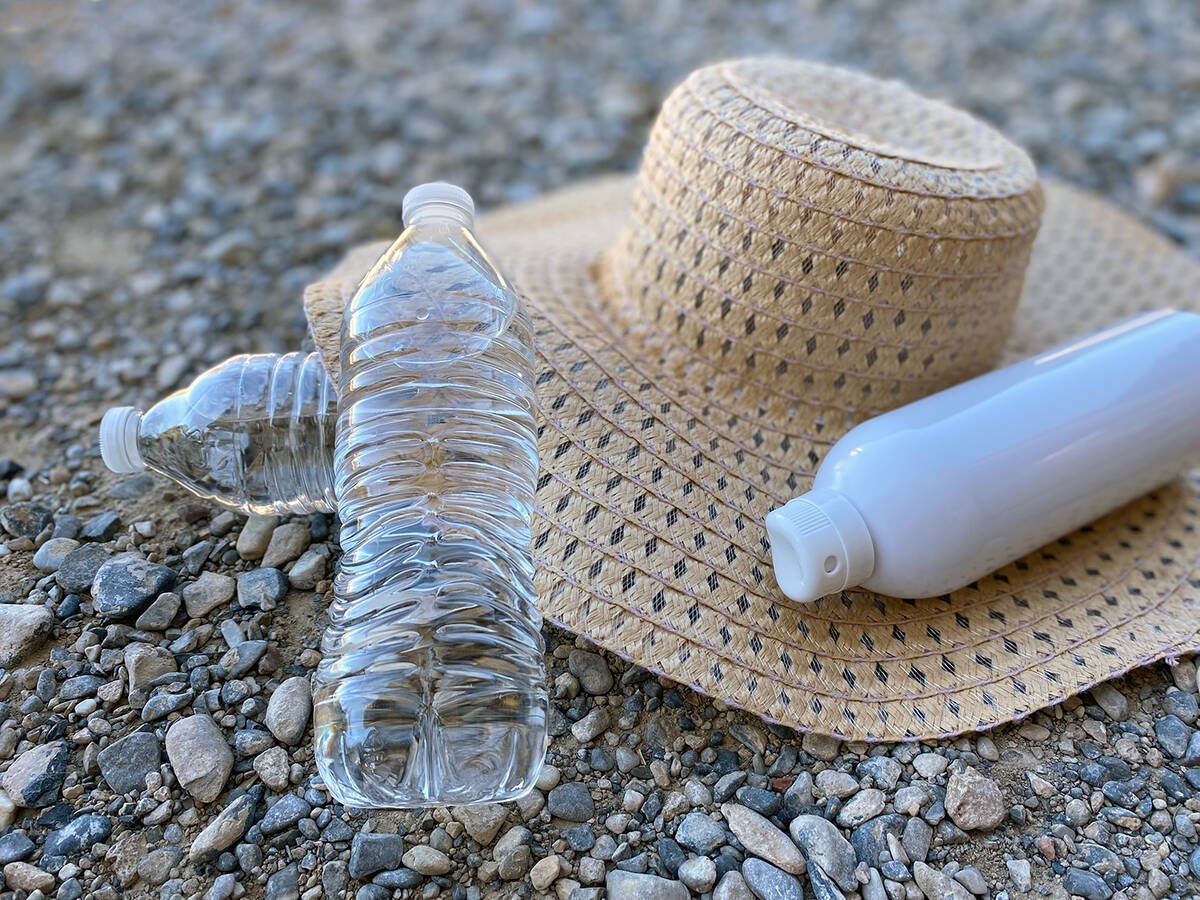
Other tips the county offered include planning outdoor activities for early morning or evenings, resting in the shade often while outdoors, wearing loose and light-colored clothing as well as a wide brimmed hat and using sunscreen. Staying hydrated is imperative, too, with a recommended two to four glasses of fluids for every hour of activity. Essential minerals are lost during the sweating process, so be sure to replace them with fruit juices or sports drinks. Residents and tourists are encouraged to carry extra water and emergency supplies whenever traveling or hiking. Alcohol should be avoided during extreme heat.
To help conserve energy, the county recommends closing blinds and curtains to block out sunlight and thus, reduce the load on the home’s cooling system. Electric fans can be used at night to help draw cool air into the home and limiting stove and oven use can go a long way toward keeping homes cooler.
Residents are also asked to keep their neighbors in mind and check on any homebound individuals to ensure they are weathering the heat. Do not leave children, pets or animals of any kind in parked cars and always provide pets with water and shade.
“Stay indoors in air-conditioned spaces or visit public cooled areas such as malls or libraries,” the county’s list of tips concludes. “Take cool showers or baths to lower body temperature.”
For more information on the impacts of heat on health and how to stay safe during hot weather, visit CDC.gov/heat-health/about/index.html
Contact reporter Robin Hebrock at rhebrock@pvtimes.com