

Event season prompts horse disease warnings
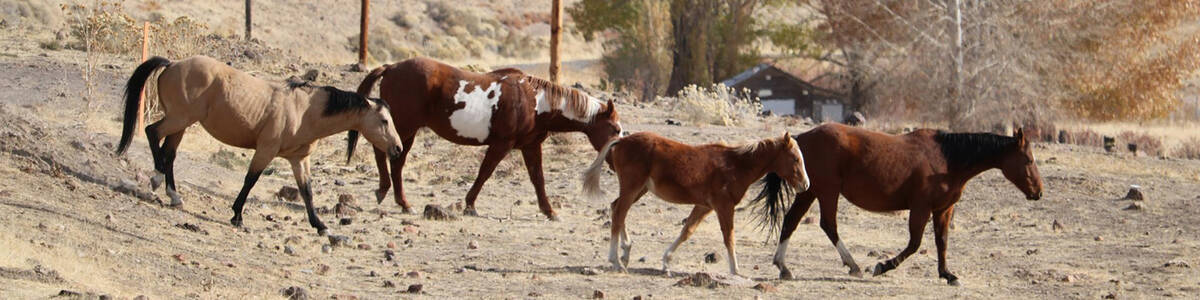




The Nevada Department of Agriculture (NDA) is reminding horse owners to exercise preemptive biosecurity measures to lower the risk of animal disease, including equine herpes virus (EHV), with the approaching equine event season.
“Convergence of large numbers of horses at events can increase the risk of disease spread,” said NDA State Veterinarian Peter Rolfe in a press release. “Horse owners should remain vigilant and take proactive measures to protect their animals during travel and increased animal interaction.”
Although there are no confirmed EHV cases in the Silver State, horse owners are encouraged to remain watchful as cases increase in surrounding regions.
In an effort to reduce the risk of disease transmission ahead of the season, Nevada’s entry requirements are being altered.
These new requirements include entry permits for horses until Jan. 1, 2026, and a Certificate of Veterinary Inspection stating: “No animals presented on this CVI have been on a premise with a confirmed case of EHV-1 within the last 21 days.” USDA-accredited veterinarians can go to agri.nv.gov/animals/animal_disease/import_requirements to finalize an entry permit for a horse entering Nevada.
“The NDA recommends biosecurity practices and to always monitor horses for signs of disease, like fever or runny nose,” the press release explained.
“Biosecurity means implementing practices to reduce chances of an infectious disease being transferred by people, animals, equipment or vehicles. EHV and other diseases can be easily transferred on boots, coats, gloves and equipment.”
Some basic principles include never sharing equipment between horses, taking a horse’s temperature twice daily, especially during and after travel or events, isolating new or returning horses by quarantining them for at least 21 days before integrating them into your herd, and thoroughly cleaning and disinfecting stalls, trailers and equipment.
“During event season, NDA State Veterinarian Rolfe is also recommending temperature checks twice a day for 21 days to monitor for signs of disease,” stated the press release.
Other signs of disease to watch for include reduced appetite, enlarged lymph nodes, fever, runny nose or coughing, difficulty urinating or dribbling urine, and uncoordination, stumbling, weakness or inability to stand.
“For more information or if your horse begins showing signs of illness, contact your local veterinarian immediately,” the press release concluded. “EHV is a reportable disease under Nevada Revised Statute (NRS) 571.160, and veterinarians are required to notify the NDA when cases are diagnosed.”
Contact reporter Elijah Dulay at edulay@pvtimes.com