
Wildfire smoke drifting in and out of the valley
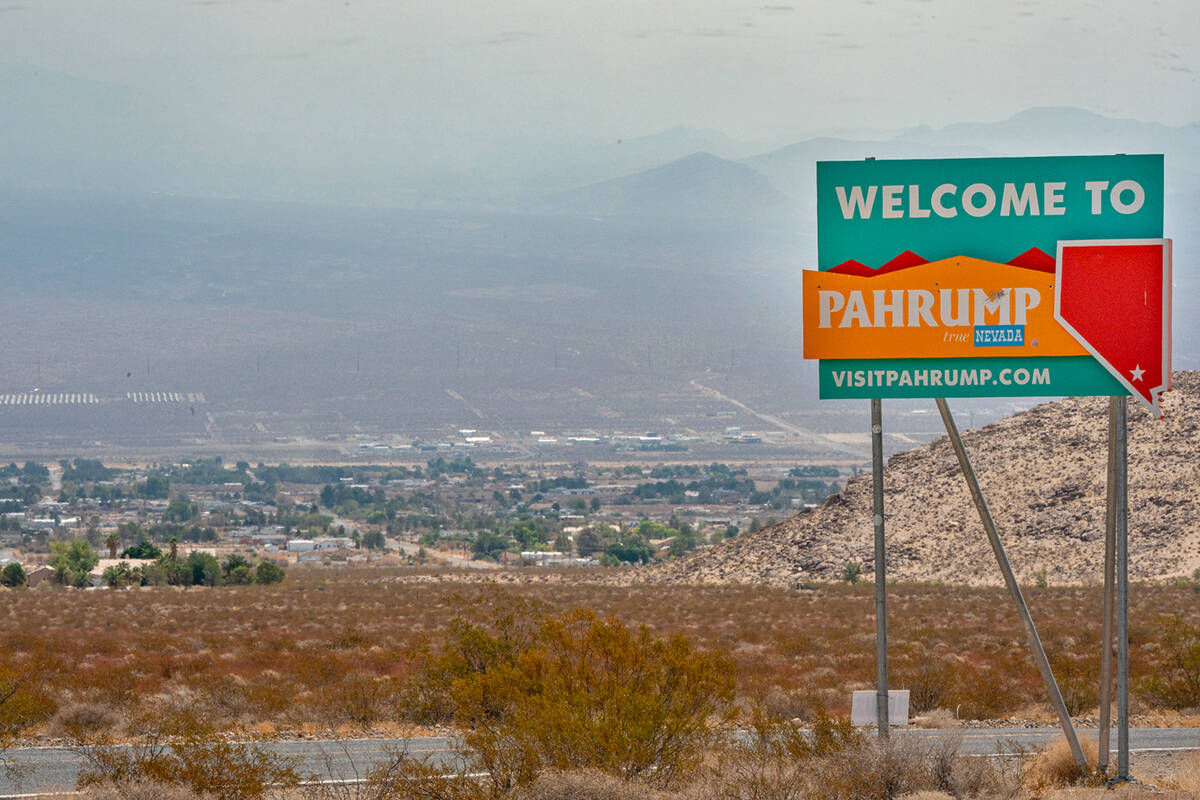
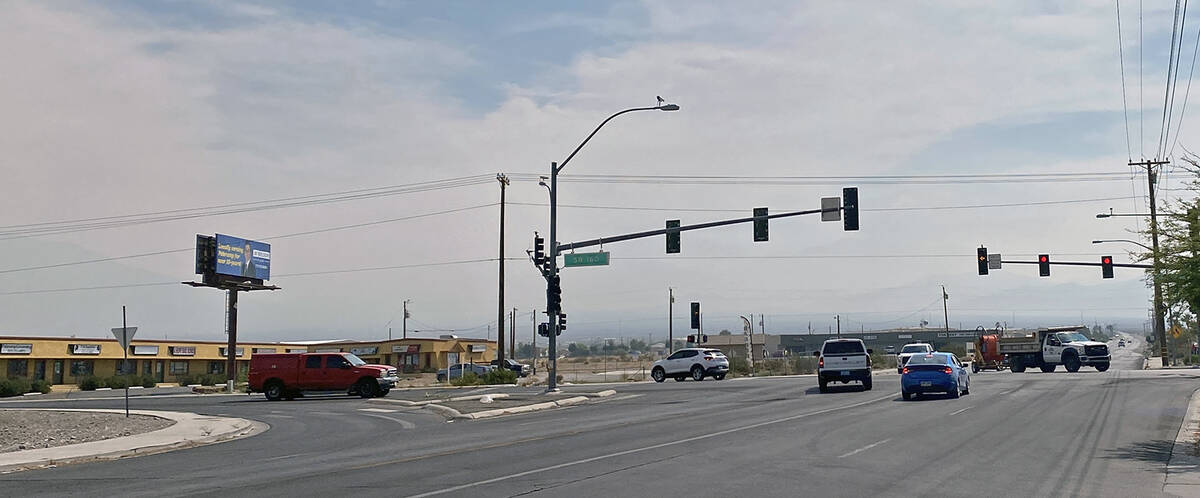
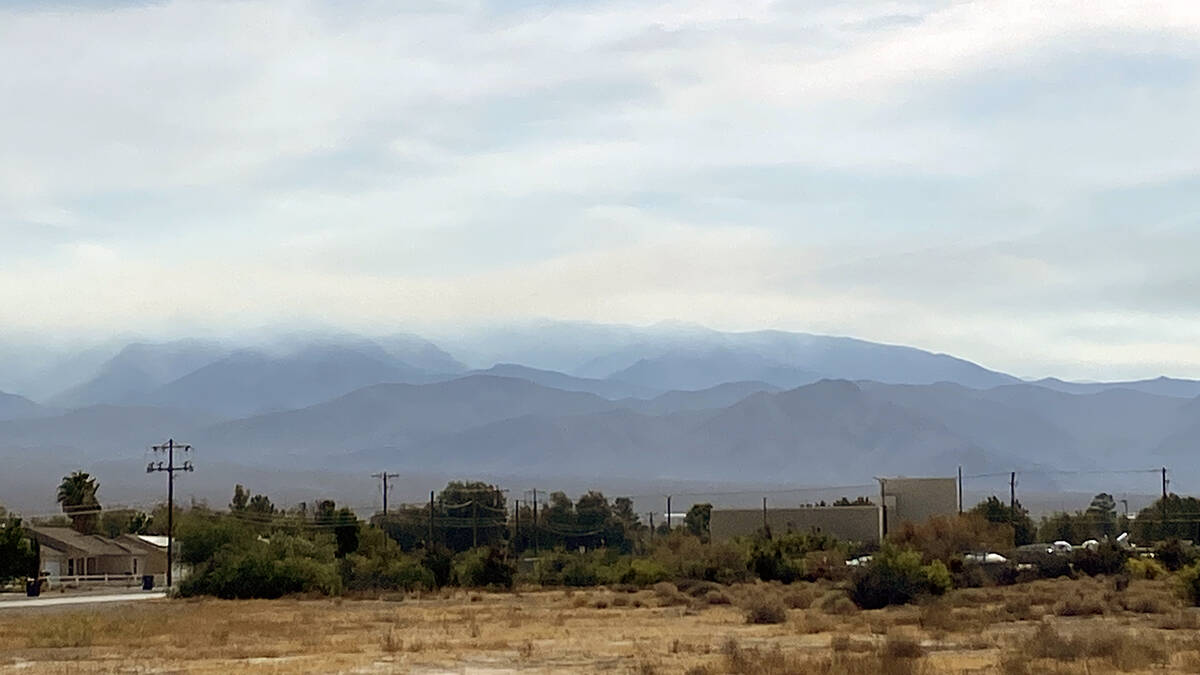




The summer months bring conditions ripe for wildfires and with several burning across the western United States, smoke has been making its presence felt all over – and the Pahrump Valley is no exception.
Over the last several days, smoke – primarily from fires in Southern California but also from the Cat Canyon and Gothic fires in Nevada - has been drifting in and out of town, obscuring the mountains that ring the valley and creating deep red sunrises and sunsets. Although the air quality locally has been in the “good” category overall, there have been hours in which the air quality was pushed to “moderate”. And as longtime residents will know, smoky conditions are likely to be a recurring experience as fire season continues into the fall, something that can be irritating for sensitive individuals.
“Wildfire smoke can reach far away from where fires burn,” information from the U.S. Centers of Disease Control and Prevention (CDC) states. “It’s important for everyone to reduce their exposure to smoke. Wildfire smoke irritates your eyes, nose, throat and lungs. It can make it hard to breathe and make you cough or wheeze. Children and people with lung diseases such as asthma, COPD, heart disease, diabetes, chronic kidney disease, or who are pregnant, need to be especially careful about breathing wildfire smoke.”
The air quality index ranges from “good” to “hazardous” and anything above “good” can cause health concerns for those in the aforementioned sensitive groups. During times when the air quality index is “moderate” or above, residents are encouraged to reduce time spent outside. Setting up a portable air cleaner or filter in the home can be helpful, as can utilizing high efficiency filters on central air conditioning systems. Avoid burning anything indoors, such as gas or propane, candles, incense or wood. Refrain from vacuuming or cooking on a stove as well, as these activities can also affect indoor air quality.
It’s not only humans who can experience problems due to wildfire smoke, either.
“Your pets can be affected,” the CDC states. “If you feel the effect of smoke, they probably do too! Smoke can irritate your pet’s eyes and respiratory track. Animals with heart or lung disease and older pets are especially at risk from smoke and should be watched closely during all periods of poor air quality… When smoke is present, keep pets indoors as much as you can, with doors and windows closed. Bring outdoor pets into a room with good ventilations, like a utility room, garage or bathrooms. Move potentially dangerous products, such as pesticides, out of reach of pets.”
Signs that an animal may be in distress due to smoky conditions include: coughing or gagging; red or watery eyes, nasal discharge, inflammation of throat or mouth or reluctance to eat hard food; trouble breathing, including open-mouth breathing, more noise when breathing or fast breathing; fatigue or weakness, disorientation, uneven gait, stumbling; reduced appetite or thirst. If any of these symptoms are observed, pet owners are encouraged to contact their veterinarian immediately.
AirNow is one way residents can keep track of conditions in and around the area as fire season continues. Fire.AirNow.gov provides details on fires burning across North America while AirNow.gov provides air quality information specific to zip code. Another resource is FireSmoke.ca which shows where fires are located and how their resultant smoke is moving around the country.
Contact reporter Robin Hebrock at rhebrock@pvtimes.com
Air Quality Index ranges
The following are the ranges included in the air quality index as detailed by AirNow.
- Green – Good – Air quality is satisfactory and air pollution poses little or no risk
- Yellow – Moderate – Air quality is acceptable. However, there may be risk for some people, particularly that who are unusually sensitive to air pollution.
- Orange – Unhealthy for Sensitive Groups – Members of sensitive groups may experience health effects. The general public is less likely to be affected.
- Red – Unhealthy – Some members of the general public may experience health effects; members of sensitive groups may experience more serious health effects.
- Purple – Very Unhealthy – Health alert: The risk of health effects is increased for everyone
- Maroon – Hazardous – Health warning of emergency conditions: everyone is more likely to be affected.