
Water board addresses zombie lot working group report




In the fall of last year, the Nye County Water District formed a working group with one specific purpose in mind – addressing the issue of “zombie lots” in the Pahrump Valley. After months of meetings and in-depth research into local, state and federal regulations, that working group put together its findings in a report which will be forwarded to the Nye County Commission for its consideration.
“Little can be done to help those who have already purchased a parcel that faces significant development constraints but public messaging and outreach could forestall further damage to public trust,” the report reads. “The purpose of this report is to: clarify the legal standards governing residential water supply; identify the limitations affecting utility-challenged lots; provide policy options to the Nye County Commission; [and] recommend a structured and transparent public-facing approach for Nye County to follow.”
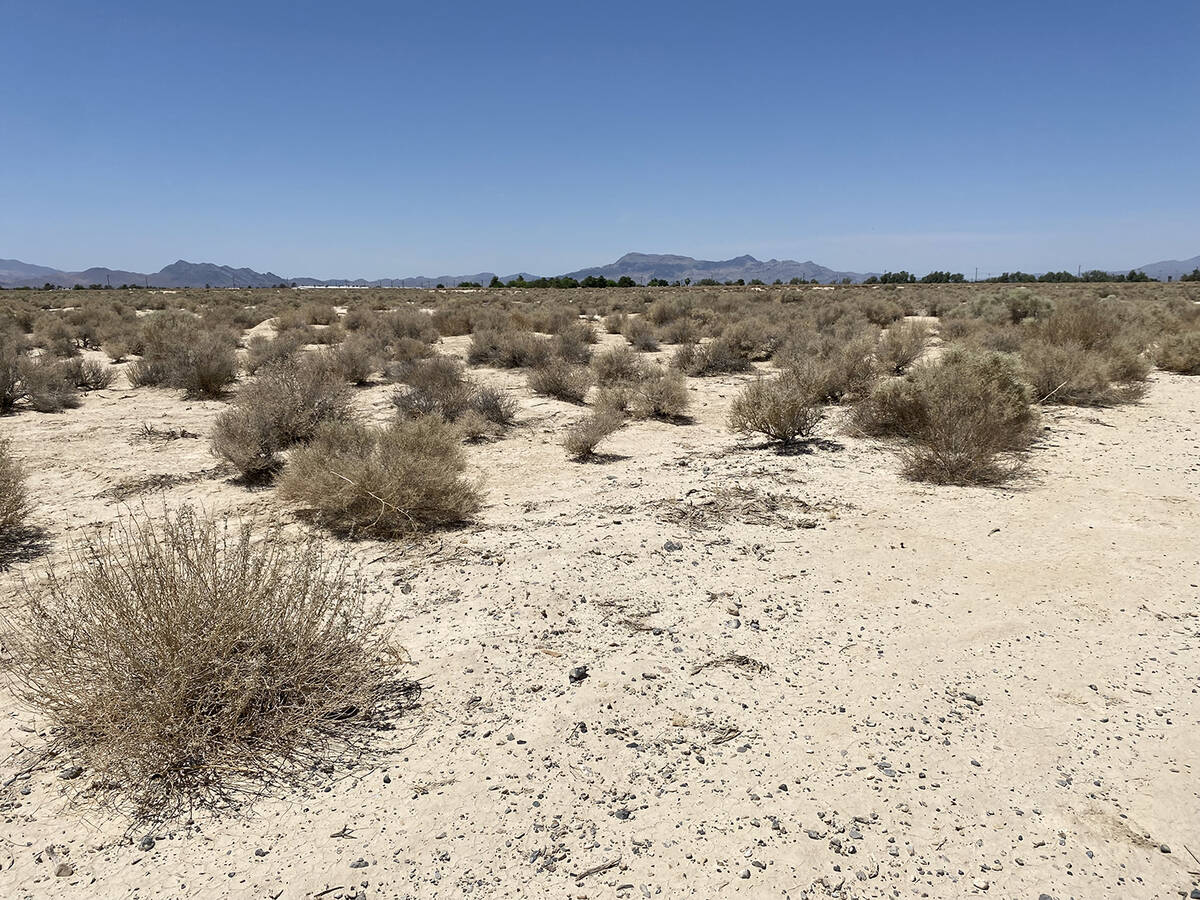
The zombie lot problem began to draw attention early last year when area landowners started questioning officials about why they were not able to build on the lots they own and pay taxes for. The heart of the issue lies in water and sewer needs, with many of these lots located within a utility tariff zone yet too far from existing infrastructure to make connection to the system financially viable. And because of their size of less than an acre, these lots cannot have both a domestic well and septic system, either. One of the working group’s first actions was to formally define a zombie lot, which is to be understood as a property the value for which is less than half the cost to bring utilities to it.
“As much as this is an in-the-weeds problem - because it is a big problem - from my estimation, I believe that we’ve done a yeoman’s job of putting together a document by which the [Nye County] commissioners can confidently say that these are the options that lay before them as far as addressing within their own authority the zombie lot issue in Pahrump,” water district general manager Dann Weeks explained for the water board during its May 26 meeting. “Because this is a state problem, the state regulates residential water and the sources of that water.”
Known as the Utility Challenged Lots Working Group, the group was comprised of five members of the public, two members of the water board, Weeks and commissioners Debra Strickland and John Koenig. Over the course of roughly eight months, the working group created the 17-page report that identifies three accepted sources of water and four recommendations for future action, including public education, water utility expansion, guidance materials for property owners and consideration of long-term seasonal residents – otherwise known as snowbirds.
Accepted sources of water under Nevada law include domestic wells, Nevada Dept. of Environmental Protection-approved community water systems or Public Utilities Commission of Nevada-regulated water company service, the report states.
Under the public information initiative, the working group recommends a dedicated webpage be created explaining water requirements, including a “zombie lot frequently-asked-questions” section. Step-by-step compliance guides were also suggested.
As to water line expansions, the priority actions are to identify a large tract of parcels that, if made buildable, would, “best serve the greater community within existing regularly utility service areas” and to find and secure funding sources, such as state and federal grants, to support such an expansion.
Various “how-to” guides are recommended to property owners, detailing how to create a community well, how to combine small lots and how to avoid a utility-challenged lot.
Finally, some property owners could be allowed to use zombie lots for their seasonal residence, so long as the use is temporary, does not involve the installation of a septic system or private well and comes with permit fees and strong development limitations.
The report outlines a four-phase implementation over the course of 18-plus months, with specific suggestions on timeline goals.
“What this document is, is a document not for the public but a document for the commissioners to consider,” Weeks stated, noting that the report was vetted by the Nevada Division of Water Resources as well. “I do feel confident that this report is worth the commission’s time to read and I hope that they will see the findings within this report, take them to heart and take some action.”
To view the Utility Challenged Lots Working Group Report, visit NyeCountyNV.gov and click on the Meeting Center link.
The report is contained within agenda item #15 of the Nye County Water District Governing Board’s Tuesday, May 26 meeting.
Contact reporter Robin Hebrock at rhebrock@pvtimes.com