

Well Owners hosting ‘Forever Chemicals and Microplastics’





Stain-resistant, water-repellent and non-stick products, paints, sealants, fire extinguishing foam, microwave popcorn bags, candy wrappers, cosmetics and personal care products. What do these all have in common? They can each potentially contain per- and polyfluoroalkyl substances, or PFAS.
Man-made chemical compounds first created in the 1930s, PFAS have been mass produced for decades but it’s only in the last 25 years or so that their association with health risks has become generally known. Next week, residents will be able to learn all about PFAS and their risks, with the Private Well Owners Association set to host a special guest well-versed in the subject.
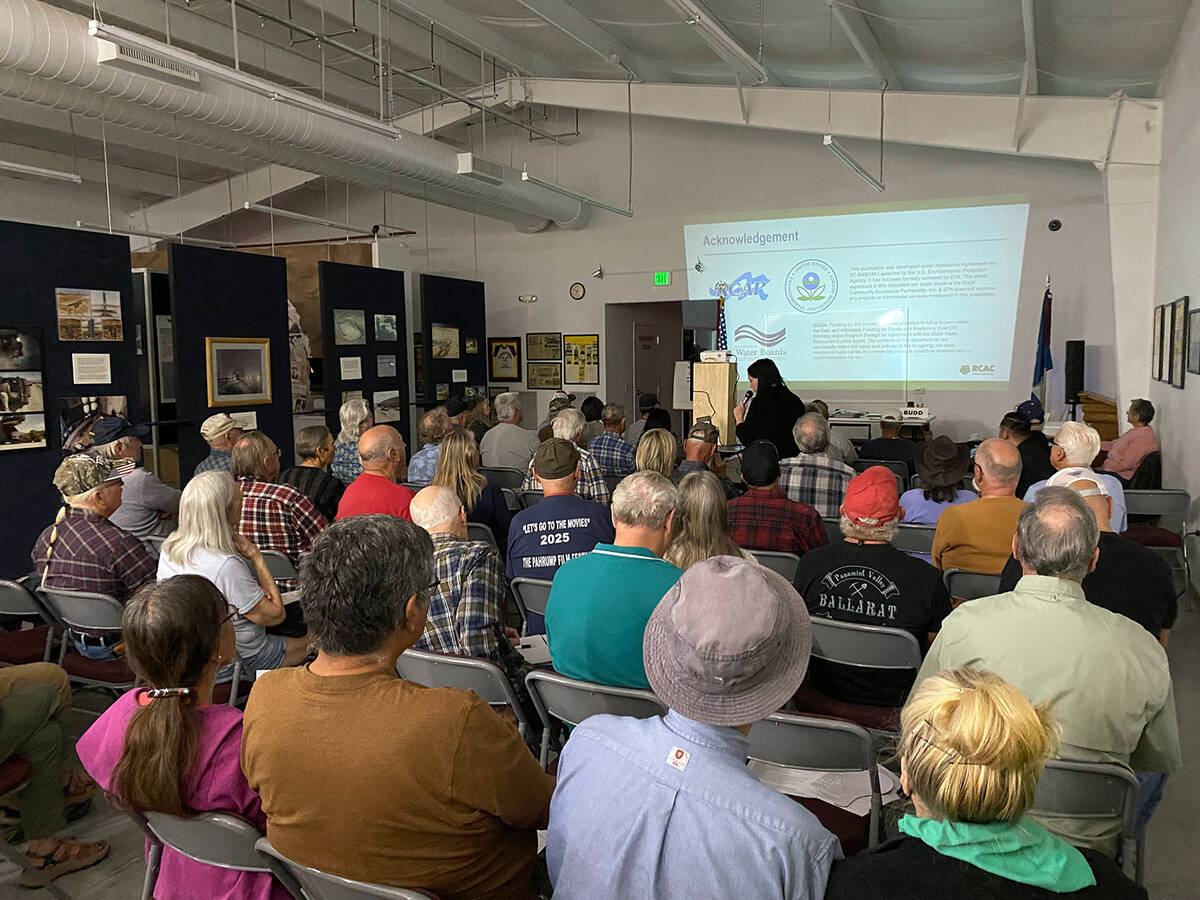
“Kayla Armbruster of BEC Environmental will be the guest speaker during the Private Well Owners Association meeting at 10 a.m. on Wednesday, November 4,” a news release from the association announced. “Armbruster, a geologist and environmental scientist, will explain how persistent PFAS, also known as forever chemicals, are found in everyday products that can leach into our groundwater. Her presentation includes a map of Pahrump showing where PFAS contaminants have been detected.”
According to the U.S. Environmental Protection Agency (EPA), PFAS can lead to increased risk of some cancers, increased cholesterol, reduced immune system function, low birth weight, behavioral changes, decreased fertility and more. They are so widespread and long-lasting that they are found in the blood of both people and animals across the globe.
“There are thousands of different PFAS, some of which have been more widely used and studied than others,” information from the EPA states. “The more we learn about PFAS chemicals, the more we learn that certain PFAS can cause health risks even at very low levels. This is why anything we can do to reduce PFAS in water, soil and air, can have a meaningful impact on health.”
In addition to discussing forever chemicals, Armbruster will provide details on another major concern arising from man-made materials, microplastics. She will go over the threat they pose to the public’s water supply and the importance of testing domestic well water, with a question-and-answer segment to follow.
This is far from the first educational discussion hosted by the Private Well Owners Association. The group has been inviting experts out to talk to the community for quite a while, starting in 2019 when it was still known as the Private Well Owners Cooperative.
A vast array of topics have been covered in the last seven and a half years but all have, in one way or another, revolved around the precious resource that is water. From current water law and proposed legislation to septic systems, gardening techniques and irrigation, water conservation methods, cloud seeding, contamination risks and much more, the association’s meetings have offered the public at large the opportunity to educate themselves. And for the population upon which the group was built – domestic well owners – there have been many special guests speaking on subjects such as well maintenance, winterizing wells, the do’s and don’t’s of what goes down the drain, well inspections and more.
The PFAS and Microplastics session will be the final educational discussion of 2026, with a Member Appreciation Holiday Social taking place at the December meeting instead.
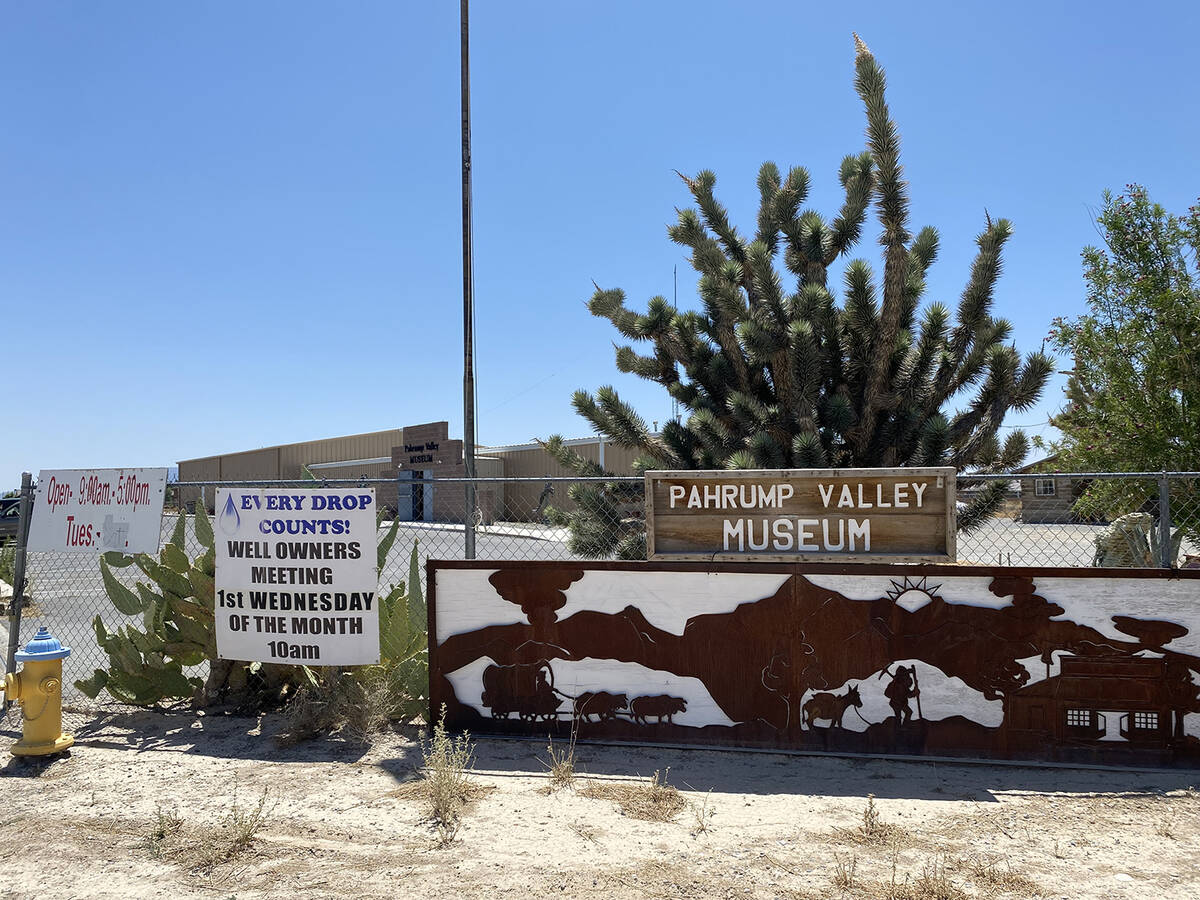
The Private Well Owners Association’s PFAS and Microplastics discussion will take place Wednesday, November 4 at 10 a.m. The monthly meetings are always free and open to the public, with membership forms available for those who would like to join.
For updates and more information, visit privatewellowners.com or email PrivateWellOwnersPWOA@gmail.com
Contact reporter Robin Hebrock at rhebrock@pvtimes.com