
Tortoise Group gearing up for Giving Tuesday
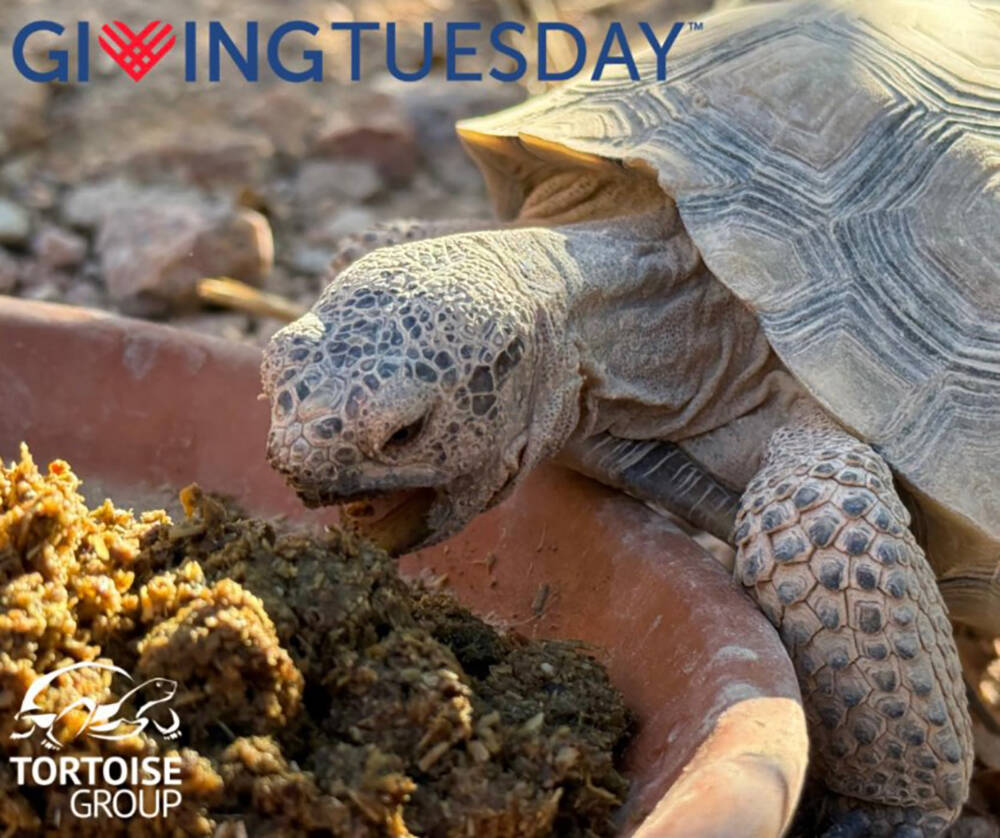
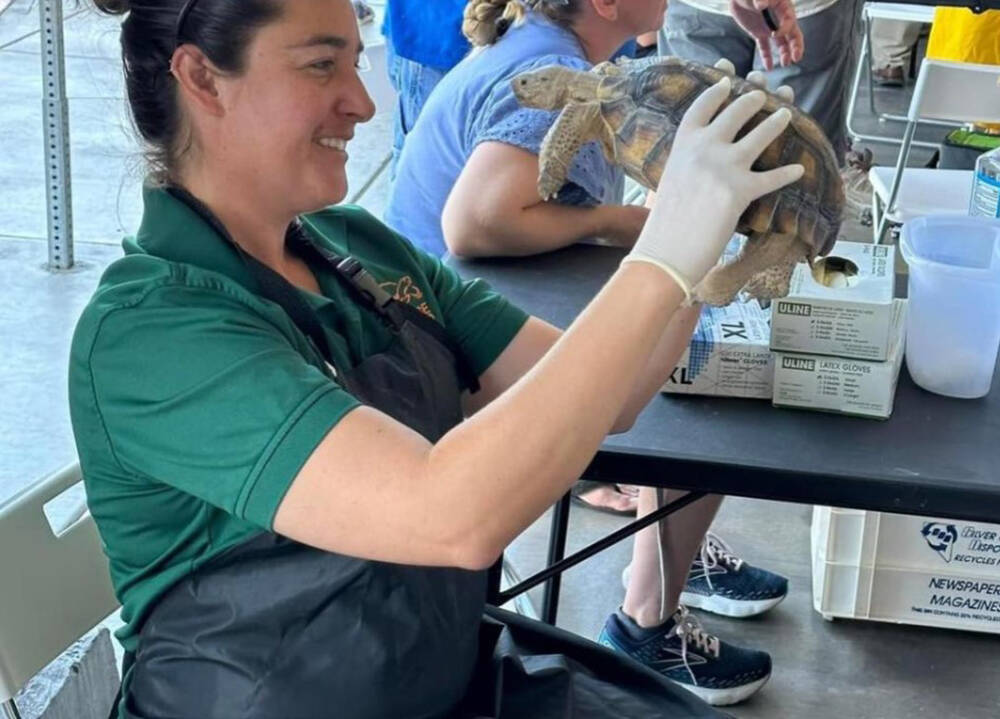
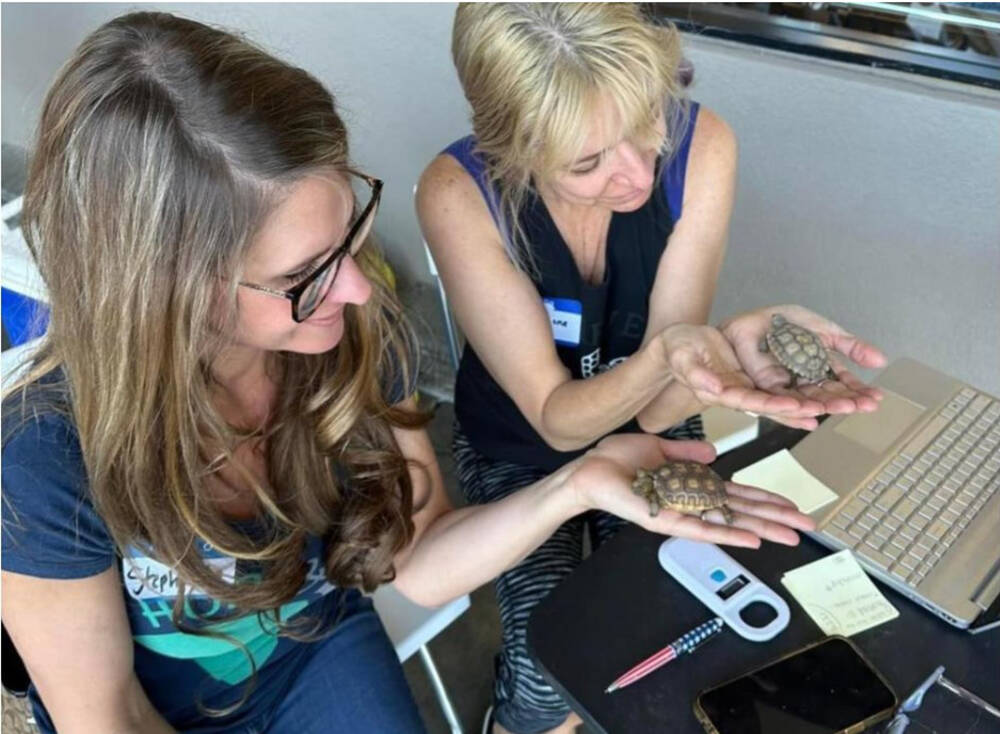




The Mojave Desert Tortoise is a famous symbol of the American Southwest and one that faces something of a paradox – while the wild tortoise is designated as threatened by the Endangered Species Act, domesticated desert tortoise populations remain high and this in itself poses a threat to the wild reptiles native to the Mojave Desert.
Aiming to address these issues from both angles is the Tortoise Group, a Las Vegas-based nonprofit that works to advocate for both pet tortoises and those that roam the desert. As the holiday season comes into full swing and residents eagerly anticipate the Black Friday and Cyber Monday deals, the Tortoise Group is urging people not to forget another big part of the season, Giving Tuesday.
“This Giving Tuesday, Tortoise Group wants to share how your support makes a difference in the lives of both captive and wild Mojave Desert tortoises here in Nevada,” Tortoise Group Executive Director Aerial West told the Pahrump Valley Times. “Since 1982, Tortoise Group has been a pioneer in Mojave Desert Tortoise conservation. With the missions of adoption, education and conservation, Tortoise Group has been dedicated to promoting responsible care of captive desert tortoises through legal adoption, as well as advocating for a wild Mojave Desert Tortoise conservation.”
West reported that there are an estimated 150,000 captive pet tortoises in the Las Vegas Valley alone and of course, their domesticated homes are not limited to just that area. Tortoise Group adoptees have been taken in by residents throughout Nye County, too, as well as in many other communities of Nevada. In fact, anyone in the state who wishes to adopt a desert tortoise must go through the Tortoise Group, as it is the only state-recognized entity authorized to adopt out these creatures.
But tortoises have an extremely long lifespan, with wild ones able to live up to 50 years and those in captivity capable of reaching 100 years of age. This sometimes leads to abandonment of pet tortoises. In other cases, pet tortoises find a way to get out of their yards.
“When those tortoises become displaced, lost or unwanted, they are often found roaming residential neighborhoods,” West detailed. “Each of these animals requires specialized care as they cannot be released back into the wild. With the increase in population due to backyard breeding, Tortoise Group has seen a large increase in the amount of displaced tortoises that require emergency housing. These tortoises often come into the organization’s care in poor condition and require medical attention. It is only through the support of the community that Tortoise Group is able to provide emergency temporary shelter for these tortoises while they await adoption.”
Education is another key aspect of Tortoise Group, which holds in-person classes on tortoise care and offers a vast array of information on the subject on its website, ranging from proper habitat construction, nutrition and veterinary support to temperature regulation and enrichment activities that can enhance the quality of life and longevity of pet tortoises. Wellness and microchipping events where custodians of desert tortoises can have their pet’s health checked and microchips placed, free of charge, are a vital part of the organization, too, as is its partnership with several government agencies to conserve the wild habitats that Mojave Desert tortoises thrive in.
“In supporting Tortoise Group, you are also supporting efforts to inform the community about responsible Mojave Desert Tortoise care, to ensure all pet tortoises have access to lifelong quality care and you’re helping tortoises have access to routine medical care that is free to the public at a time when rising veterinary costs have made vet care inaccessible to many. By supporting Tortoise Group, you are also directly impacting desert tortoise conservation,” West concluded. “This Giving Tuesday, we want to thank those who continue to support the Tortoise Group and the work we do to protect Mojave Desert tortoises.”
For more information on the nonprofit’s work visit TortoiseGroup.org
Contact reporter Robin Hebrock at rhebrock@pvtimes.com