
‘Too special to drill’: Tribe, environmentalists sue over mine near Ash Meadows
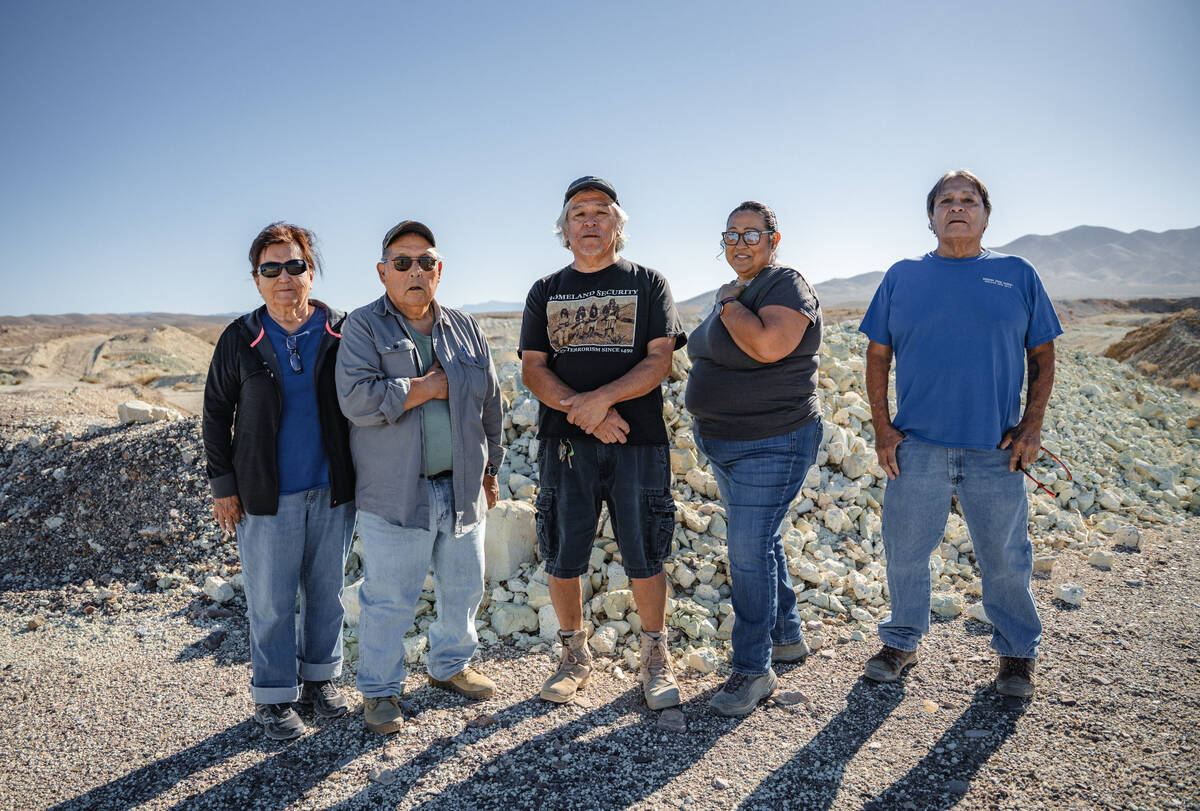

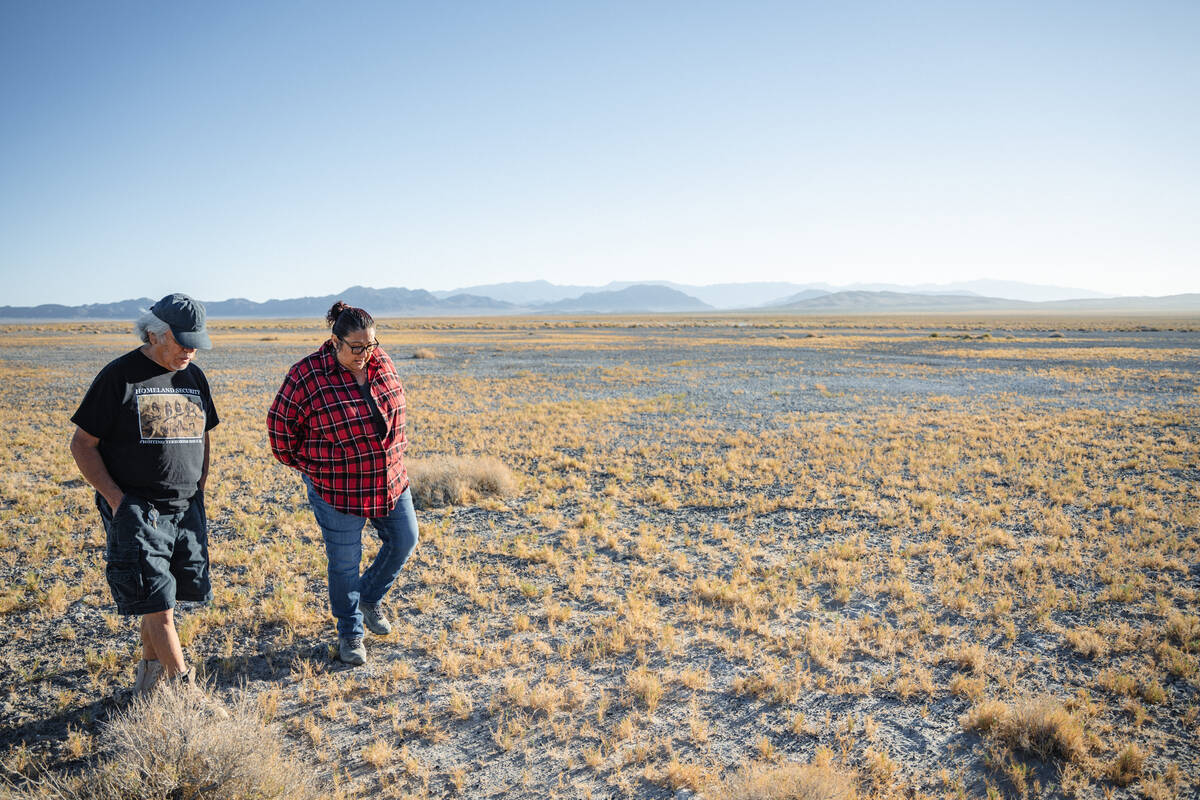
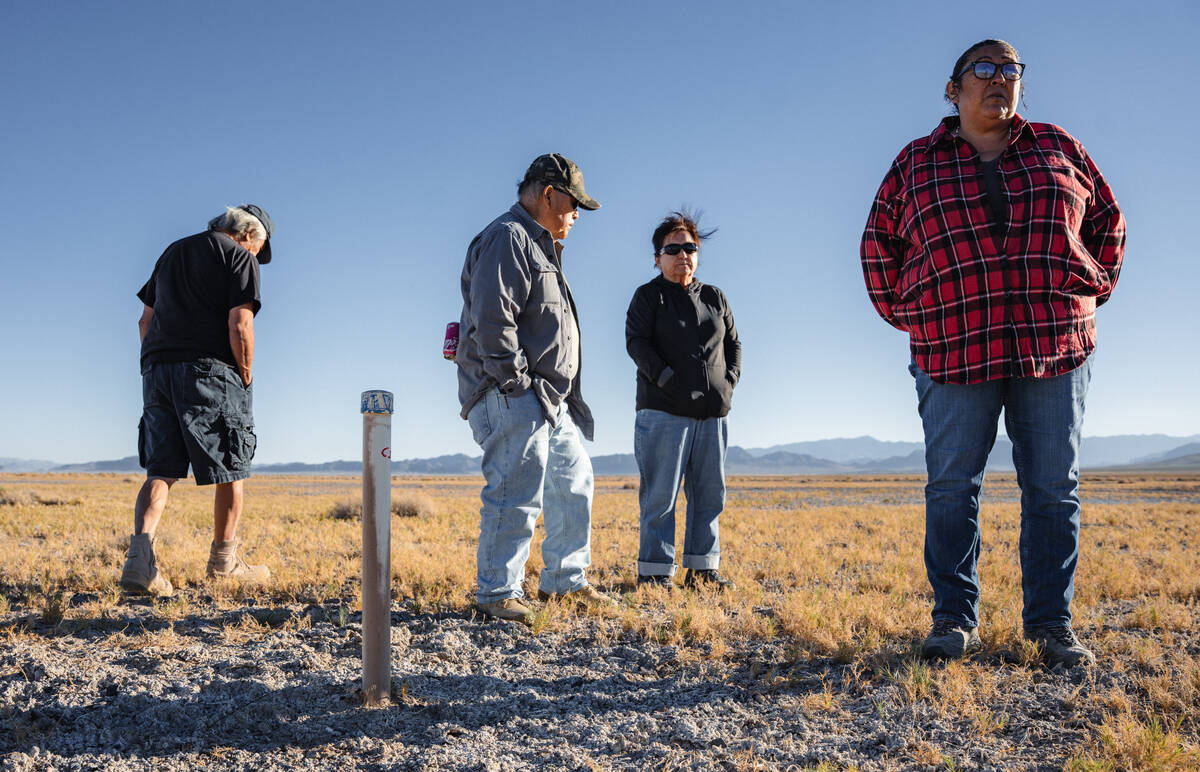
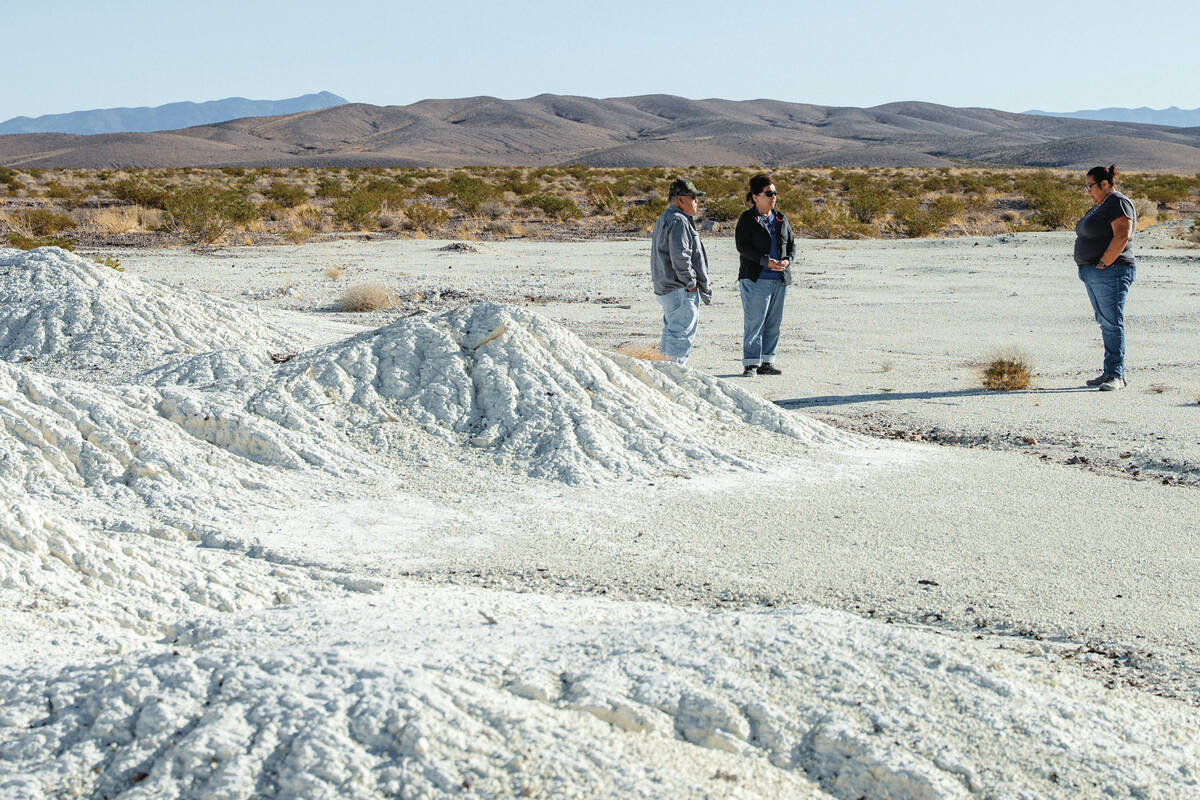




A Native American tribe and coalition of environmentalists are challenging the Trump administration’s approval of a mine expansion that could threaten one of Nevada’s most delicate ecosystems.
In a federal lawsuit filed last week, the Timbisha Shoshone tribe, the Center for Biological Diversity and Amargosa Conservancy allege that the Bureau of Land Management failed to fully consider environmental harm when it greenlit St. Cloud Mining to drill 43 holes adjacent to its existing Ash Meadows mine.
Mandi Campbell, the tribe’s historic preservation officer, has said the federal agency did not properly consult the tribal council, as is generally required under the National Historic Preservation Act of 1966 and related federal regulations.
“The connection our people share with the Amargosa River and its abundant plant and wildlife communities is older than time,” Campbell said in a statement. “We have stood tall in the face of mining threats in these lands before, and we’re doing it again. We will never back down in defense of our sacred places and homelands.”
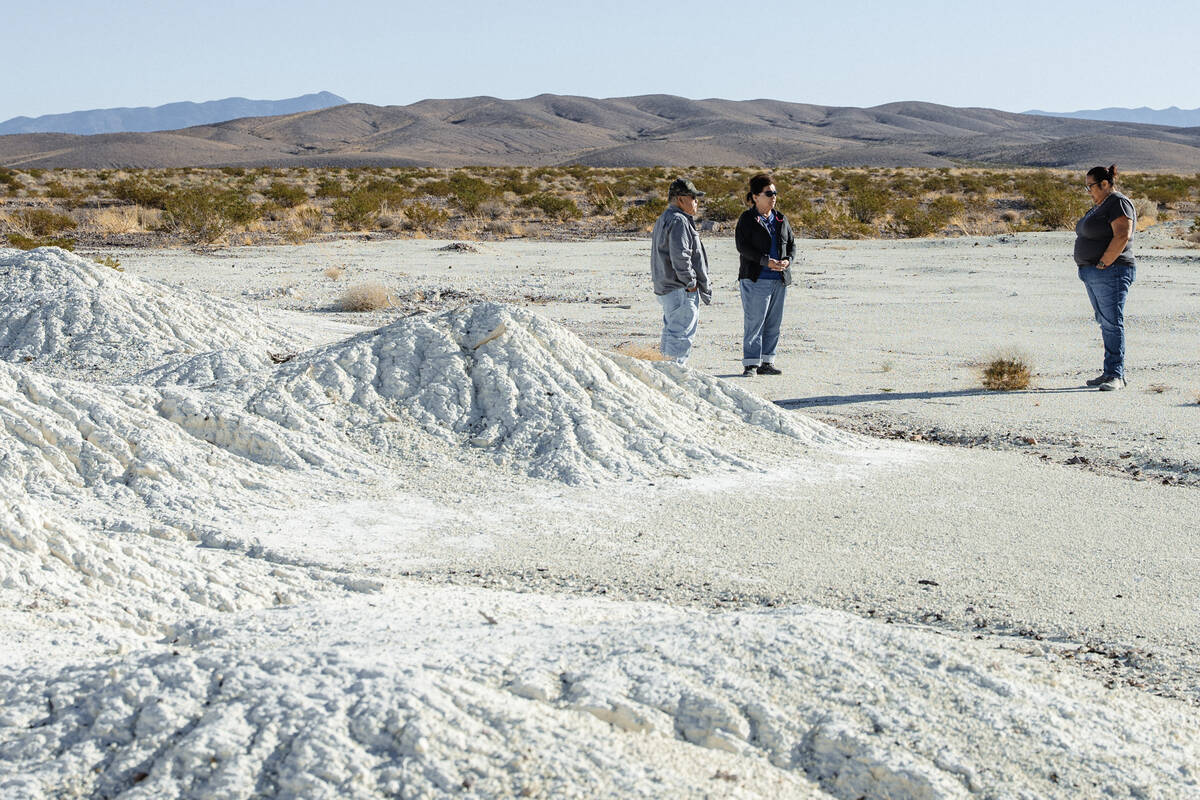
The clinoptilolite mine, which straddles the Nevada-California border, is connected to the Amargosa River Basin that fuels the Ash Meadows National Wildlife Refuge. There, the ultra-rare and highly protected Devils Hole pupfish live in a sequestered swimming hole.
The Interior Department, the parent agency of the BLM, declined to comment to the Las Vegas Review-Journal on the complaint because of department policy. St. Cloud Mining did not return a request for comment last week.
In search of zeolite
Clinoptilolite, a type of zeolite mineral, has wide applications — from being an animal feed supplement to neutralizing liquid nuclear reactor waste to filtering water, according to the mining company’s website.
Environmentalists such as Patrick Donnelly, Great Basin director at the Center for Biological Diversity, have often called it the region’s “kitty litter mine,” as odor neutralization is another popular use.
“Ash Meadows is a global biodiversity hot spot, and it’s deeply disturbing that federal officials unlawfully failed to consider how mining exploration would threaten the area’s imperiled species,” Donnelly said in a statement. “We’re proud to stand with our Tribal and community partners to stop this dangerous mining project. Ash Meadows is too special to drill.”
St. Cloud Mining intends to drill 200 feet into the ground and is expected to hit the groundwater table at about 100 feet, according to company plans cited in a news release issued by the plaintiffs.
The complaint alleges that the BLM failed to consult the U.S. Fish and Wildlife Service about the potential impacts on three rare plants protected under the Endangered Species Act: the Amargosa niterwort, Ash Meadows gumplant and spring-loving centaury.
Groundwater flows in the area largely remain a mystery to hydrologists, and drilling impacts are hard to evaluate.
“Past mineral exploration projects in the Amargosa River Basin have induced significant changes to groundwater and surface water flow by encountering artesian pressure,” the complaint states.
One well in Tecopa, California, blew out in the 1960s after drilling, lawyers say, and has discharged hundreds of gallons per minute ever since.
Controversy over mining persists
Mining in this sensitive watershed has long been controversial.
Community members and environmentalists celebrated a win last year when the company Rover Critical Minerals, now rebranded to Stockworks Gold, scrubbed any mention of its Ash Meadows lithium mine exploration from its website.
Officials from both Nye County and the town of Amargosa Valley had raised serious concerns over water availability. Nye County’s natural resources director, Megan Labadie, told the Las Vegas Review-Journal in October that the BLM did not consult the county before approving the mine drilling, either.
Last February, the Biden administration initiated a so-called “mineral withdrawal” process for the area around the refuge that would have ruled out new mining claims for 20 years. Under the Trump administration, there has been no movement on that withdrawal, though the Amargosa Conservancy continues a public push for it.
“Residents and visitors alike have been clear that we do not want mining near Ash Meadows,” Amargosa Conservancy Executive Director Mason Voehl said in a statement. “And we won’t rest until these sacred lands and special waters are protected forever.”
The complaint asks a judge to vacate the approval of the mine drilling and to prevent the BLM from reauthorizing it until the agency complies with the Endangered Species Act.
Contact Alan Halaly at ahalaly@reviewjournal.com. Follow @AlanHalaly on X.