

Could you be Mason’s kidney match?

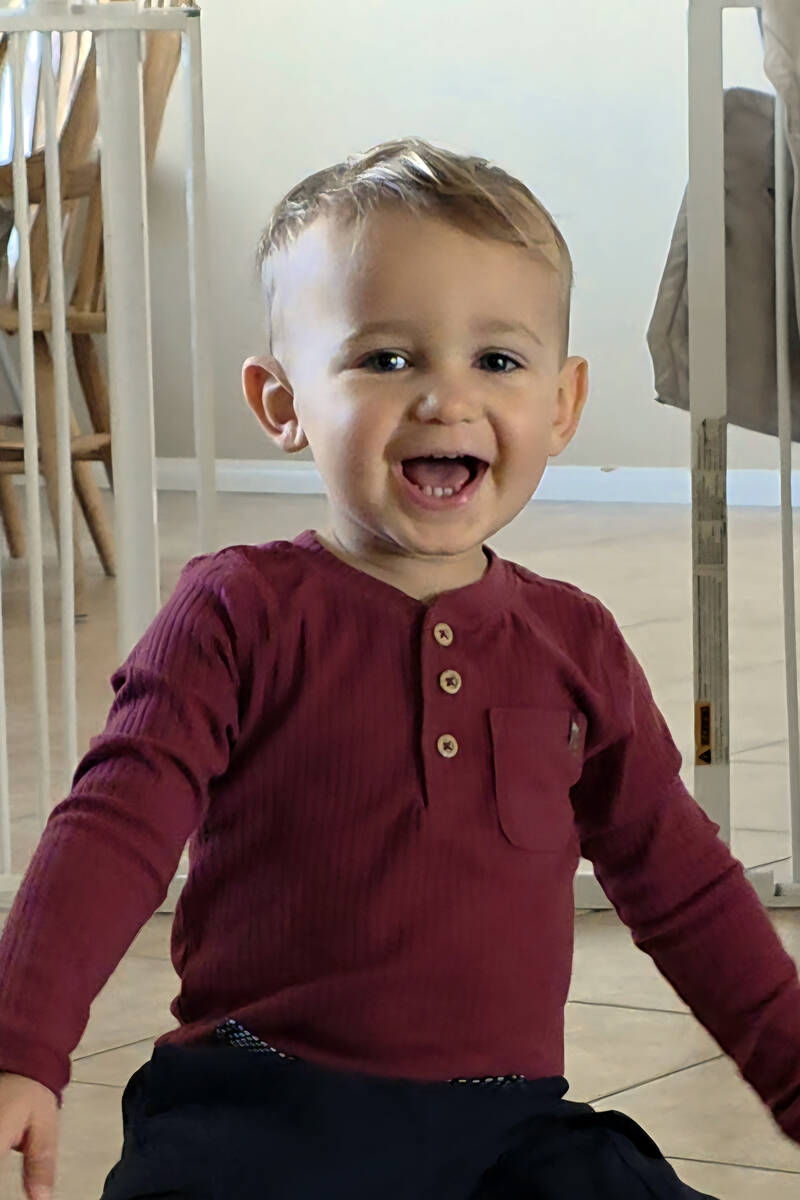
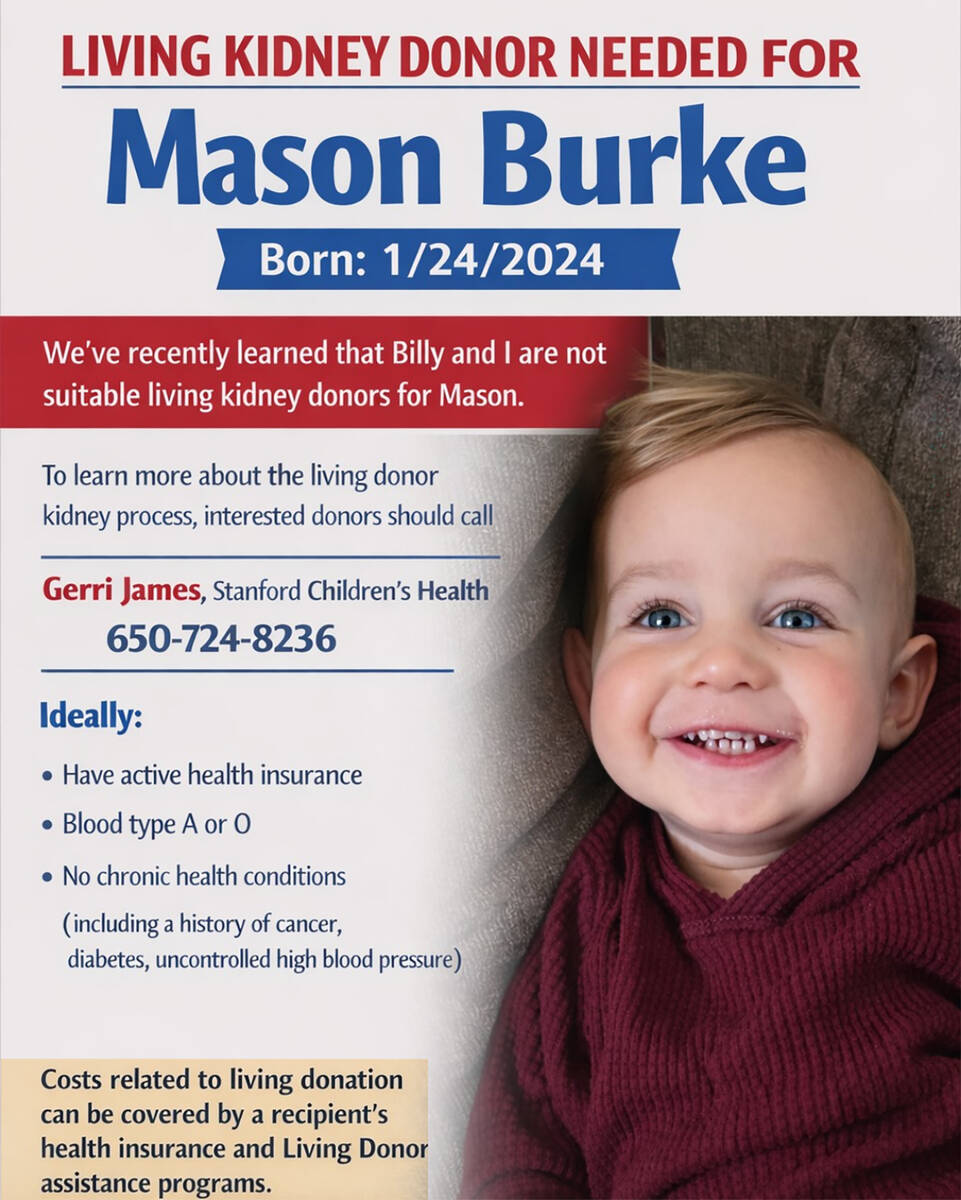






Mason Burke is just two years old and already, he is facing a major medical challenge. With stage 4 chronic kidney disease, he is in need of a kidney transplant and his family is hoping that there is someone out there willing to give the gift of health to their little boy.
“We are looking for a living kidney donor for our son, Mason,” Shannen Burke told the Pahrump Valley Times on Tuesday. “We found out Mason had Renal Dysplasia when he was five months old. He gets labs done at least monthly and will have those for the rest of his life. He has been on daily medication since he was five months old and those will only multiply post-transplant.”
Despite all of this, Shannen said Mason is still such a happy kid.
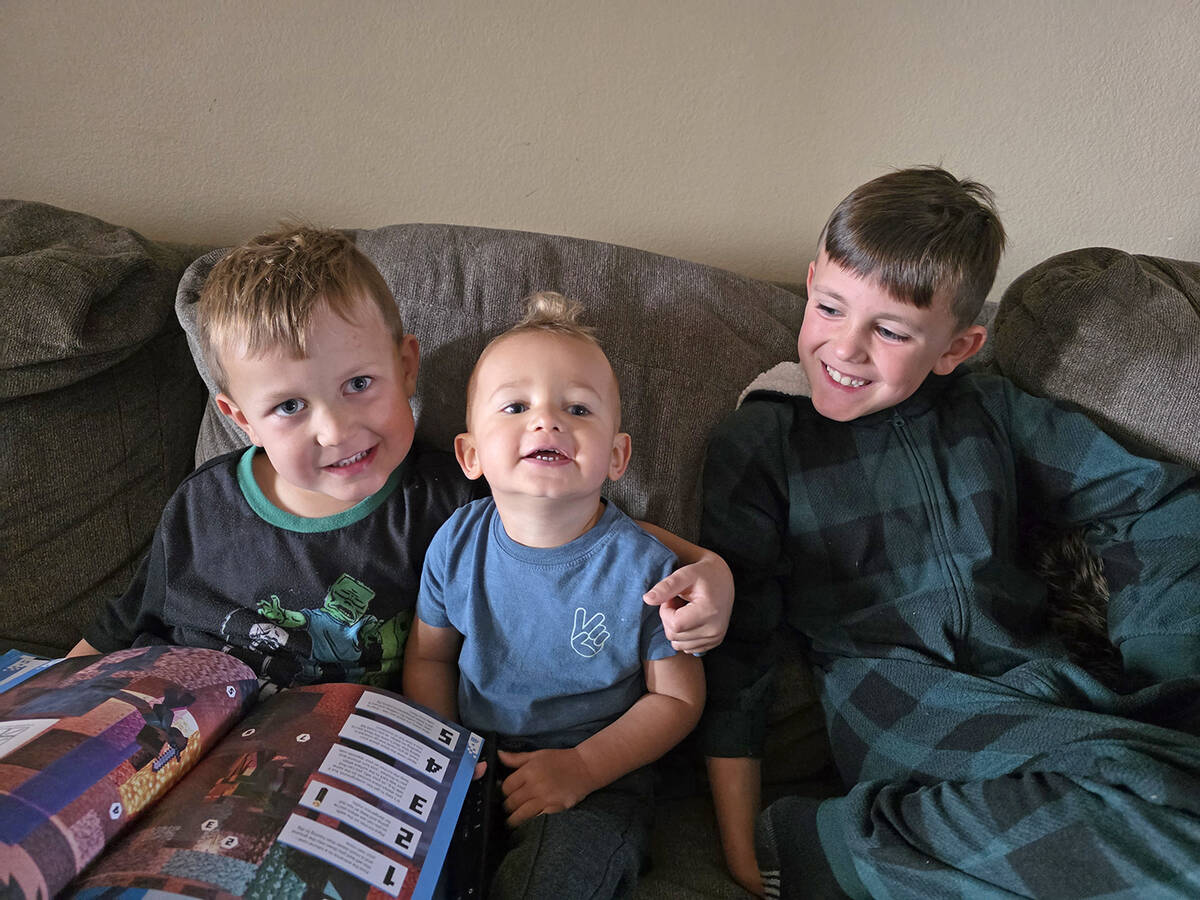
“You wouldn’t be able to tell, truly. You wouldn’t know, looking at him, that he is going through so much because, he’s just a normal kid. He’s just a wild two-year-old, which I appreciate now more than ever. We’re very grateful to have him, he is such a joy. His two older brothers shower him with unconditional love and he is truly what I like to call the ‘cherry on top’ for our family,” Shannen enthused.
The Burke family was hoping to be able to stave off the need for a kidney transplant until Mason is older but he has progressed negatively since his diagnosis and his disease is now at a critical stage. Both Shannen and her husband Billy underwent testing to see if they could donate themselves but that option is not viable. Shannen was ruled out after HLA typing bloodwork and Billy, although a good match, simply has kidneys too large for Mason.
“I feel, especially since we can’t donate to him, this is the least we can be doing for him right now. It’s my job, it’s my duty, to do my best for him, because he can’t do it,” Shannen noted. “We just want to get his name out there.”
Mason is set to be placed on the Deceased Donor List in March, once various labs and vaccines are completed, but the Burkes’ real aim is for a living donor.
“Living donation has a lot of benefits,” Shannen remarked, directing readers to Kidney.org to learn of the benefits. These include a shorter wait time for recipients, better timing when it comes to scheduling the transplant, the potential for a better match and a longer lasting result.
“On average, a kidney from a living donor lasts about 15-20 years, compared to seven to 10 years for a kidney from a deceased donor,” Kidney.org states. “Living donor kidneys also have a better chance at working right away than deceased donor kidneys.”
Having gone through the process themselves, Shannen was able to give an overview of kidney donor testing, which begins with bloodwork to determine general health. Once completed, a kit will be sent to the potential donor from Stanford Children’s Health, which the Burkes are working with, for HLA typing.
“Depending on how well of a match you are with Mason at that point, they will have you do a CT scan, to view the kidneys and make sure there are no growths or anything and that they are a good size for him. If this all looks good, you’ll go out to California to meet the surgeons and have some additional bloodwork and exams.”
Ideally, the potential donors for Mason should have overall good health and be blood type A or O, with active health insurance. When it comes to cost, both the recipient’s health insurance and a financial assistance program can help cover expenses related to the testing, procedure, food, lodging and transportation.
“Darcy Boyd or Gerri James at Stanford Children’s Health are wonderful, they will be able to answer any questions about the donation process and the financial assistance program, as well as help with applying for that assistance,” Shannen said, emphasizing, “Even if you’re unsure, just give them a call and talk things through.
“This experience has really broadened my view on this situation and how necessary this is, how badly we need people to donate,” she concluded. “Maybe you’re not a match for Mason but maybe you’re a match for someone else. People can do really amazing things – I believe that. Sometimes all it takes is seeing something, like Mason’s picture, to get them thinking, ‘Maybe I can help’.”
Those interested in learning more about the living organ donation process can call Stanford Children’s Health Kidney Transplant Program Manager Gerri James at 650-724-8236.
Contact reporter Robin Hebrock at rhebrock@pvtimes.com