
First mining threats, now solar. Could a small town make Ash Meadows the next Red Rock?





AMARGOSA VALLEY — The office of Amargosa Valley Town Board Chair Carolyn Allen is routinely among the first stops for industry representatives as they court favor for their next extractive project.
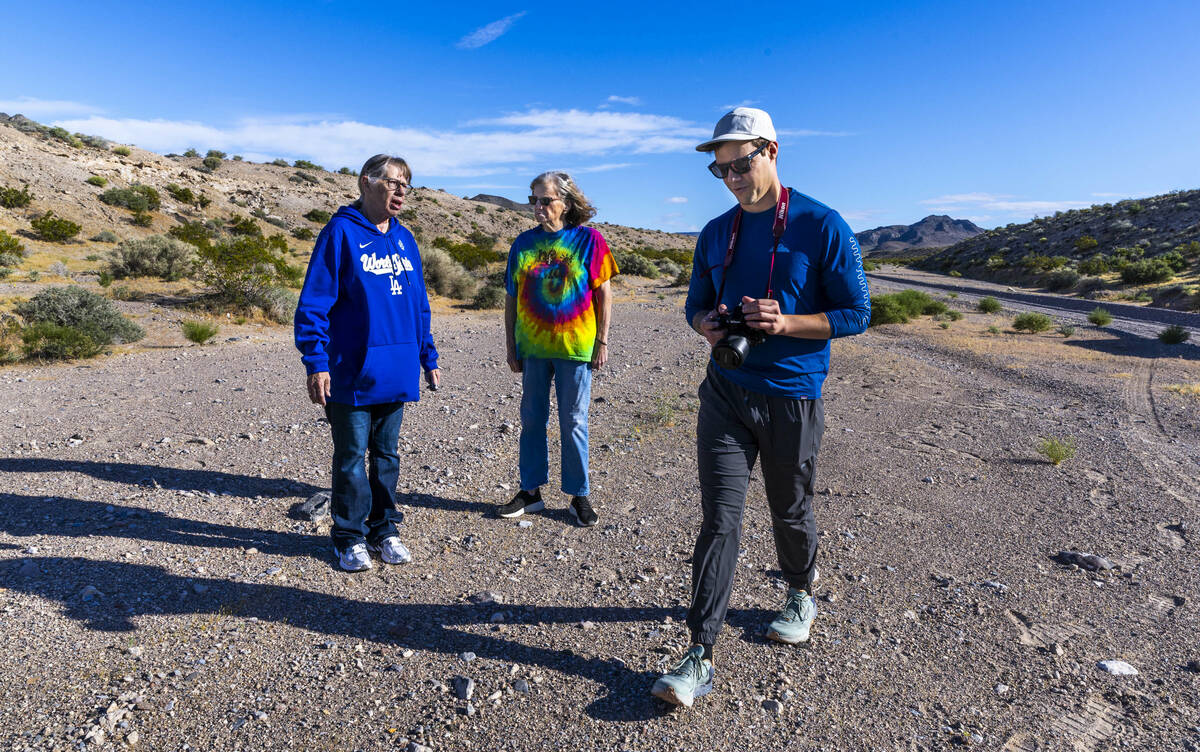
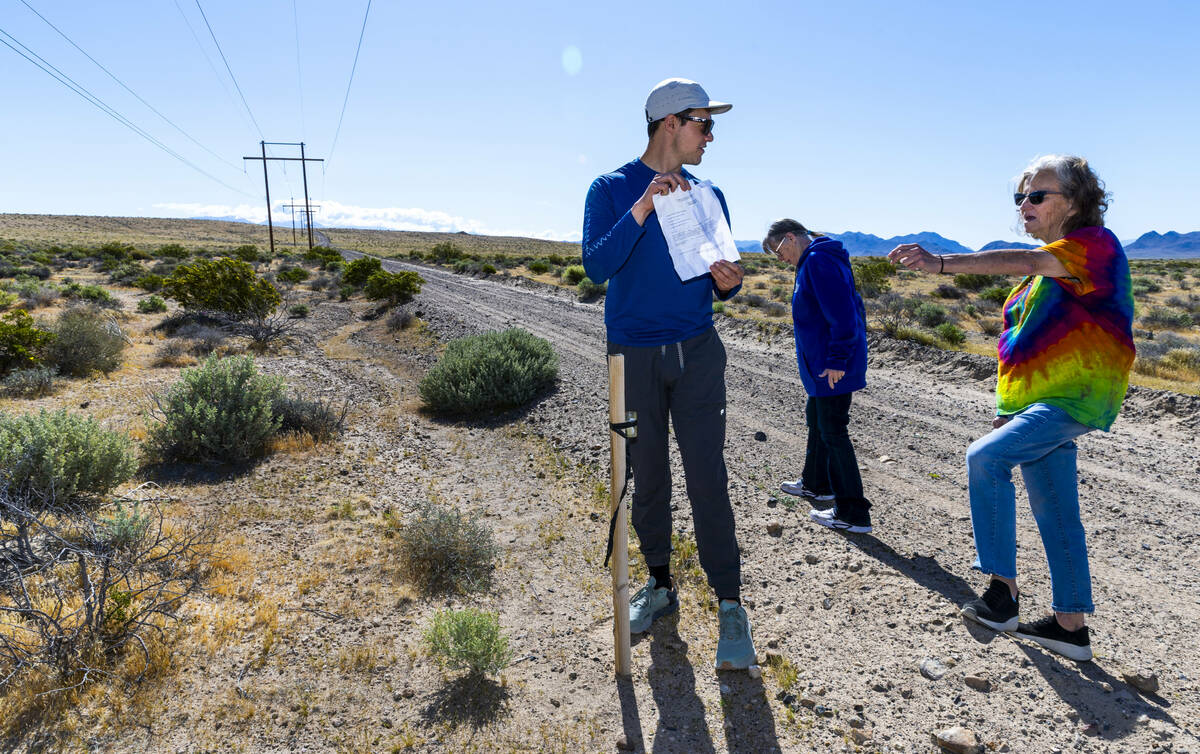
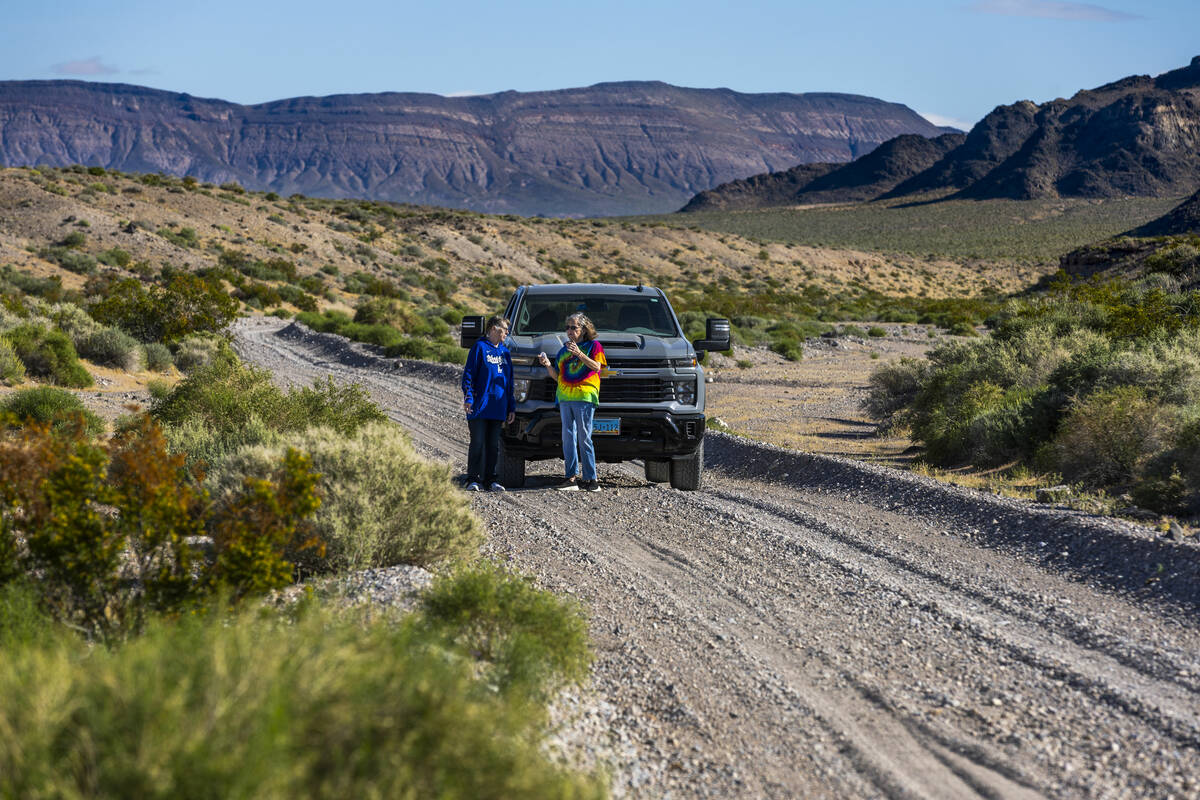
When an energy developer showed up at a town hall to pitch a solar farm recently, Allen, 69, knew the drill, just as well as she has come to know the some 1,400 residents of the fading desert outpost about 45 minutes northwest of Pahrump.
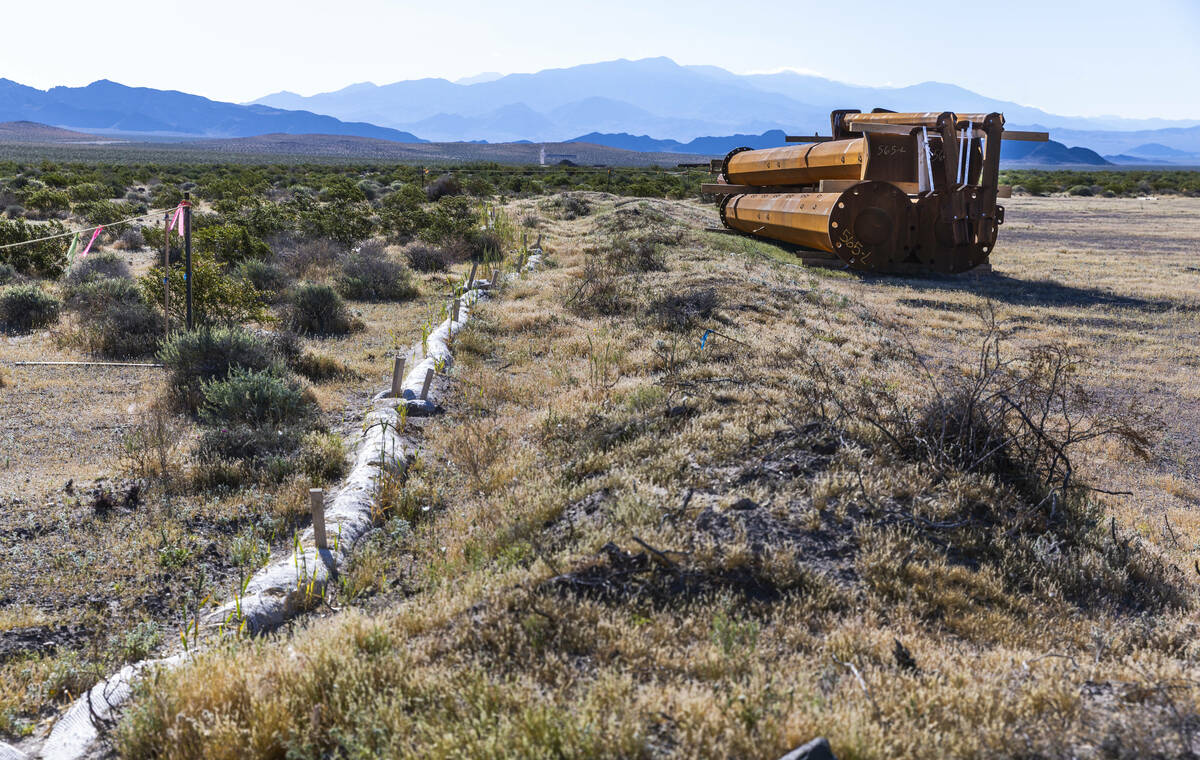
Then Allen saw the proposed map. Her friendly gaze hardened.
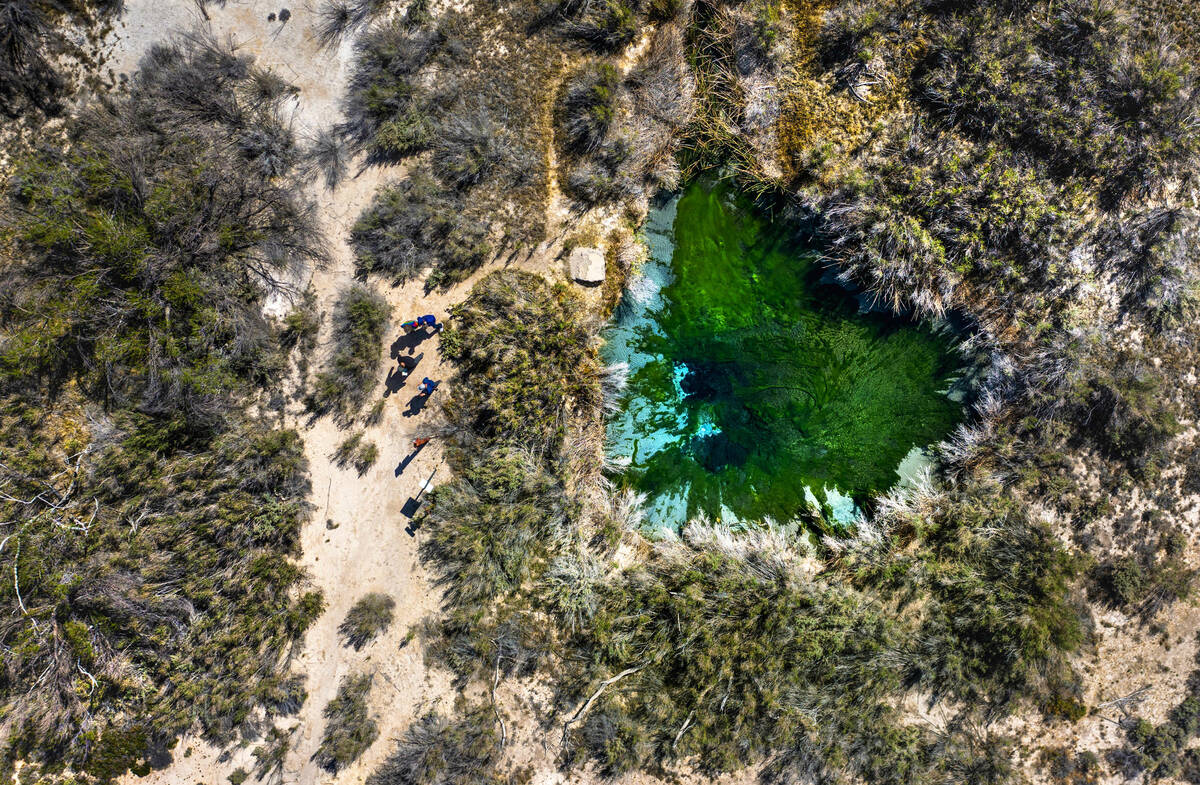
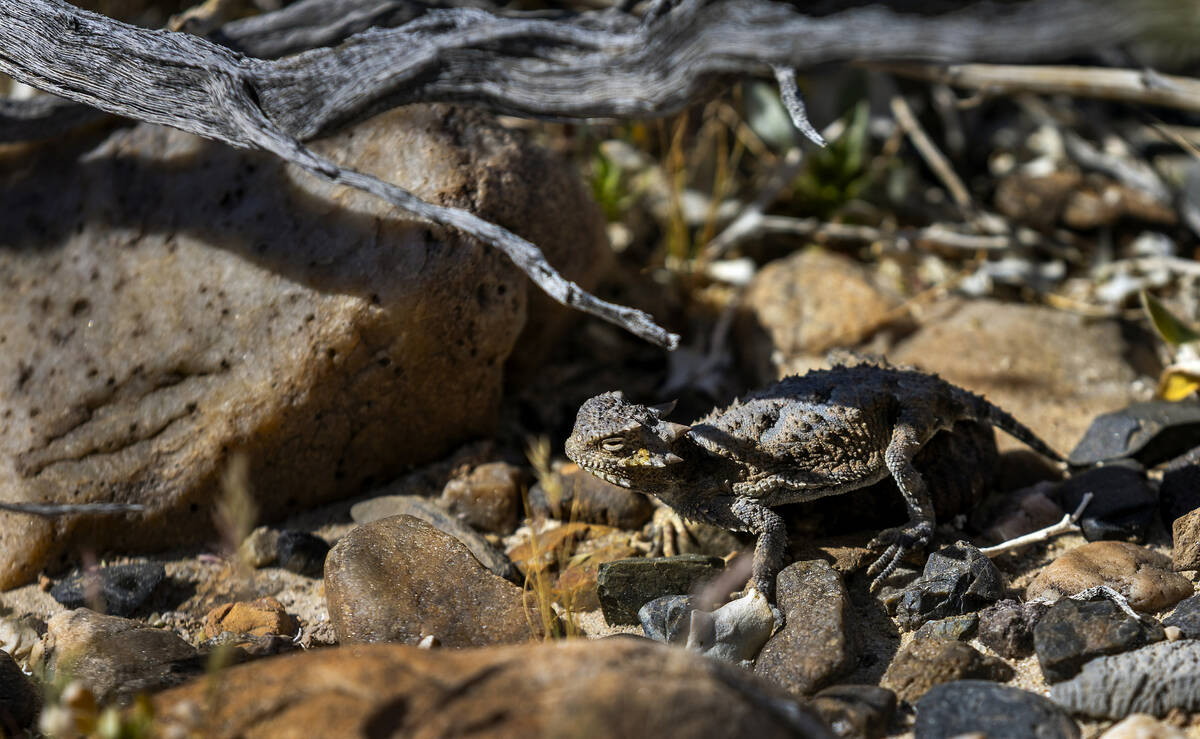
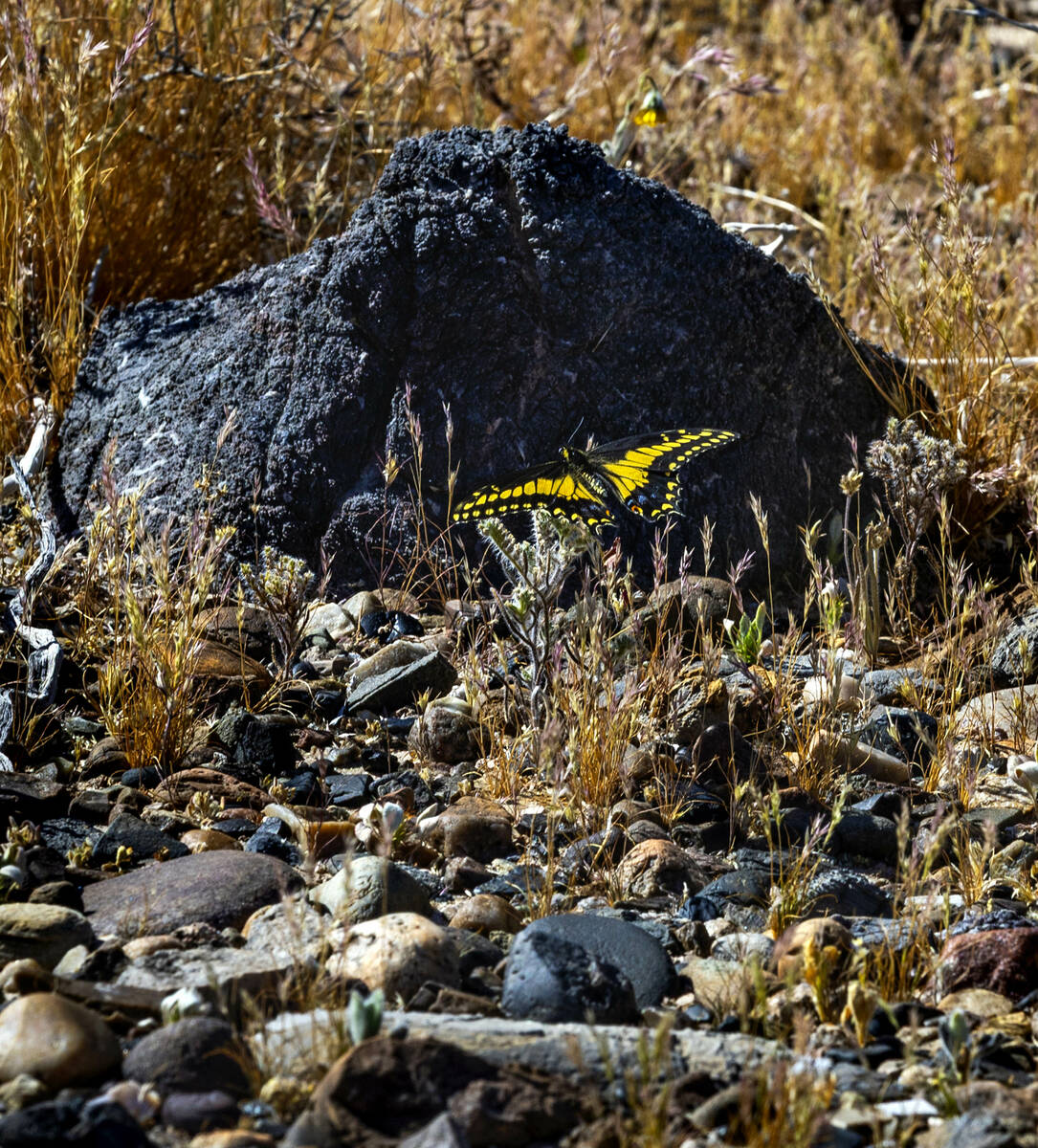
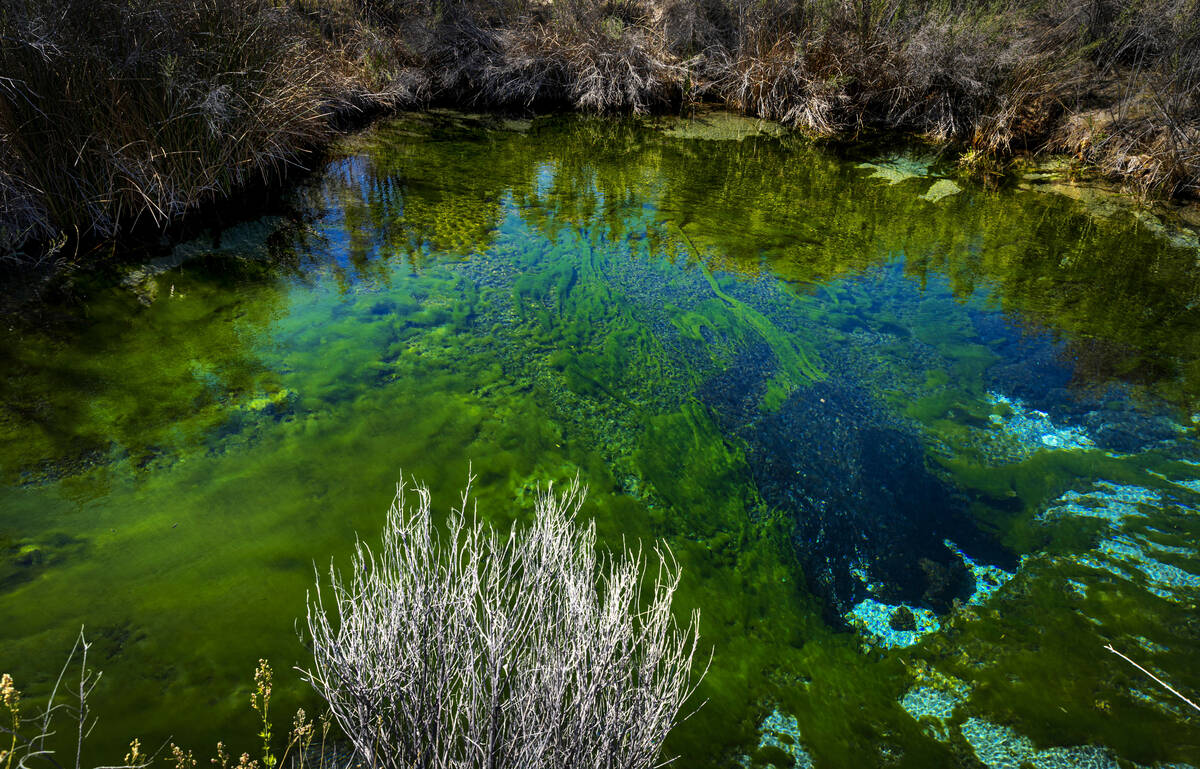
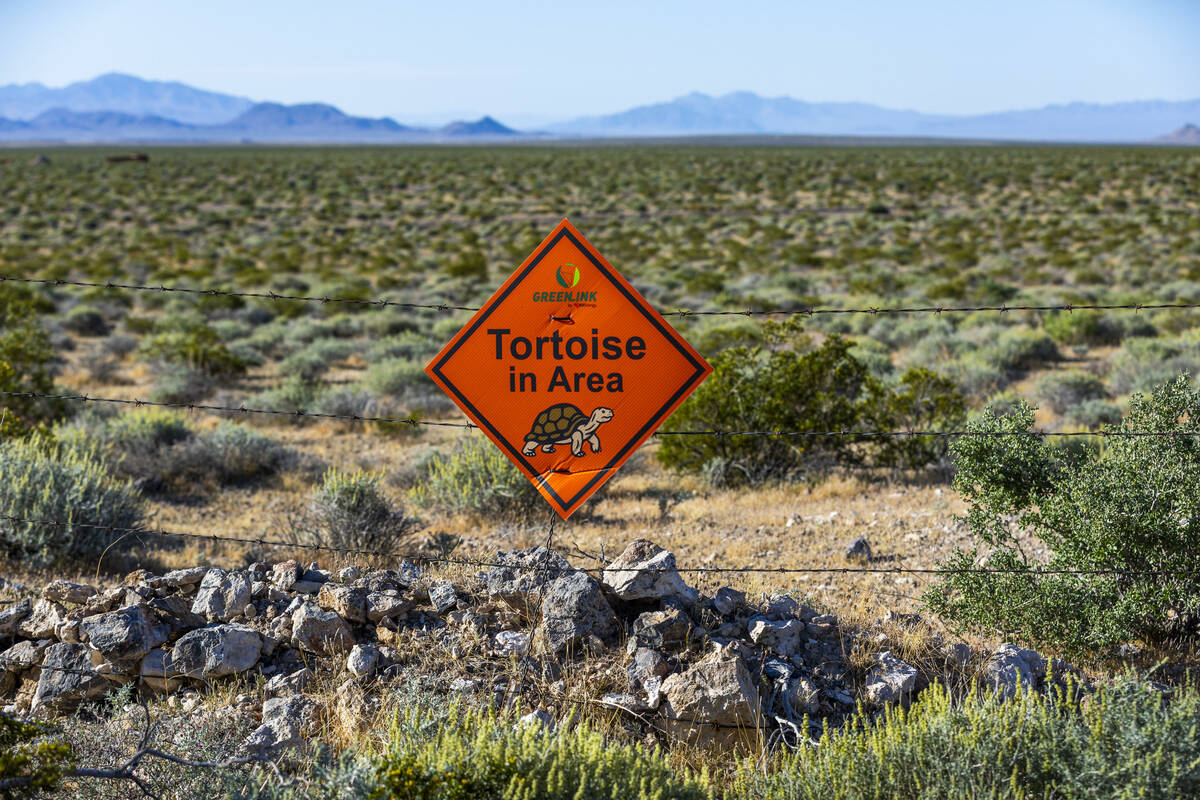
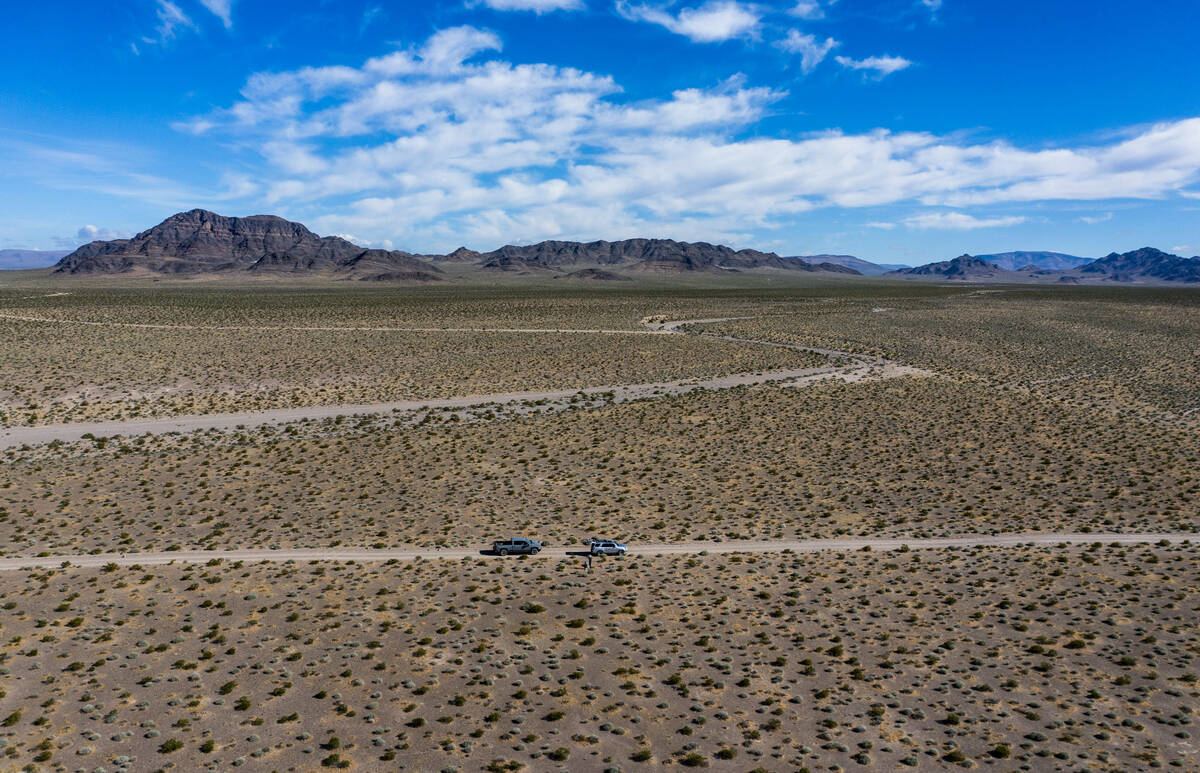
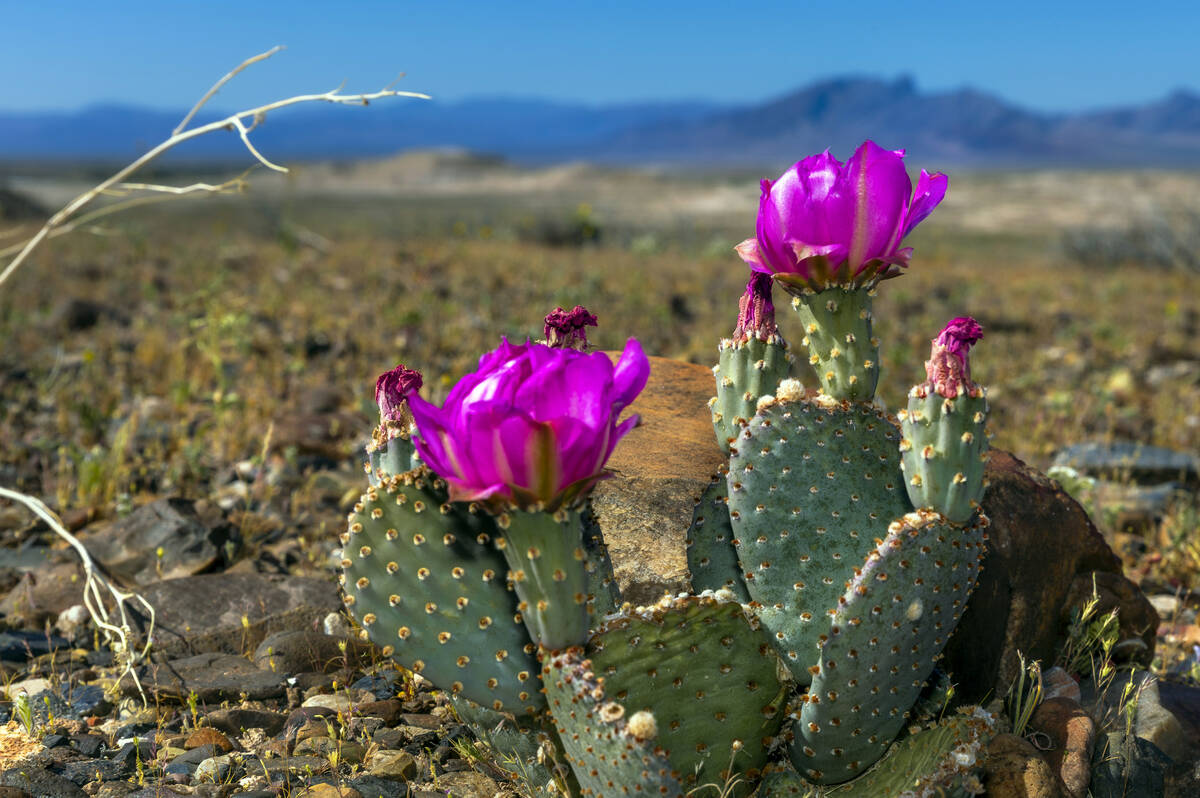
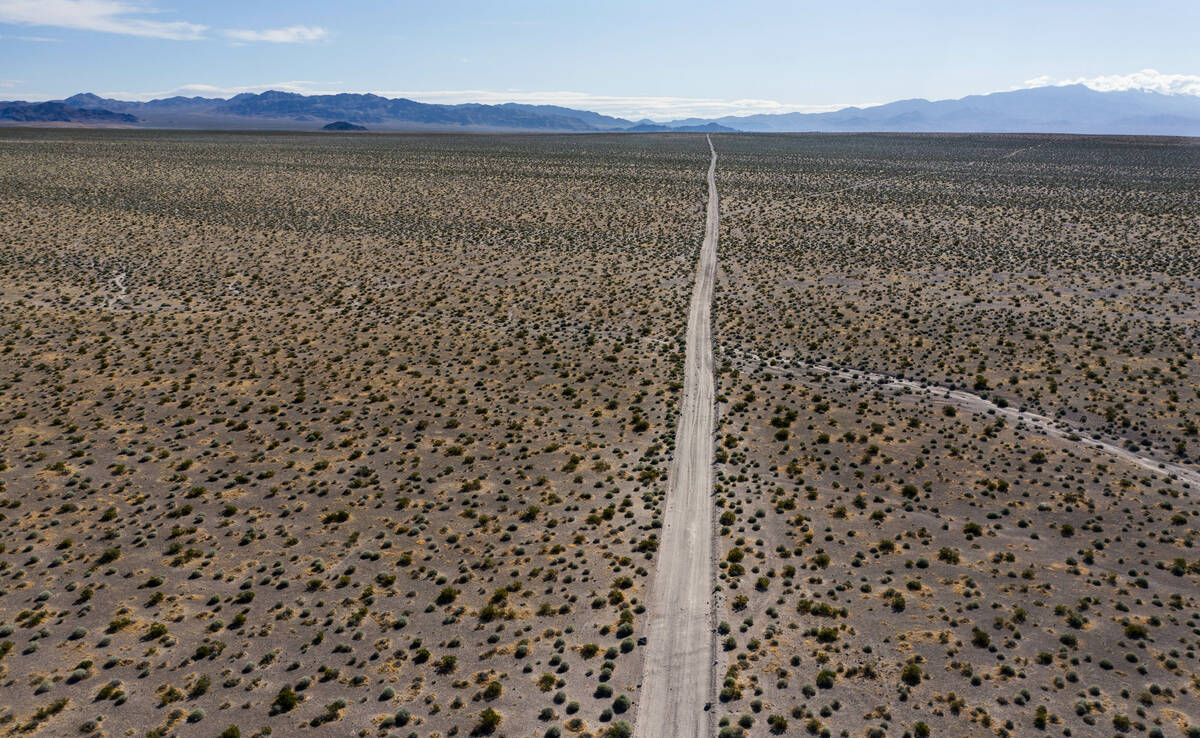
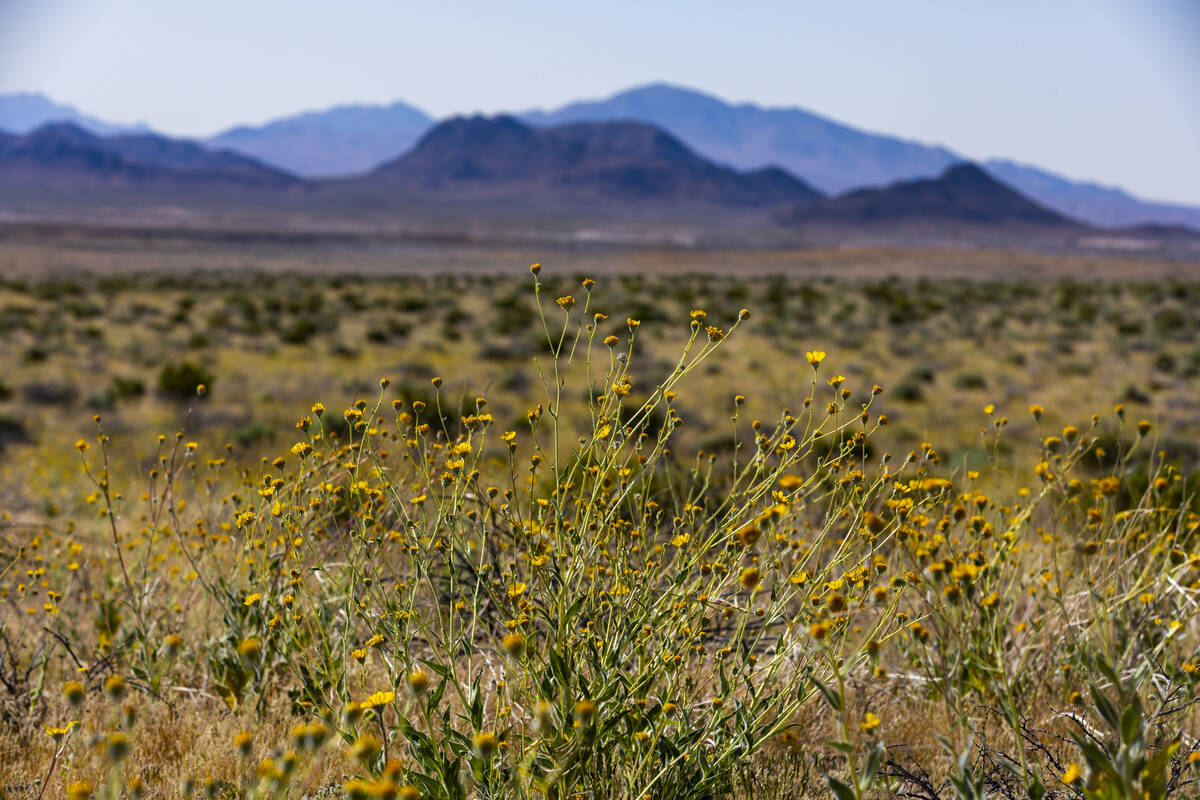
If this solar farm went through as proposed, it could come within a mile of the Ash Meadows National Wildlife Refuge. Often described as the Galapagos of the Mojave Desert, the refuge is home to crystal blue pools with tiny fish species found nowhere else in the world.
The kicker? On their way out, company representatives offered: “So, Carolyn, what do you think about a data center?”
Not on Allen’s watch.
“This area, like much of our Nye County, is ghost towns. It’s boom and bust,” Allen said in an interview with the Las Vegas Review-Journal. “When the mines come in, just like solar, they bring jobs for a short period of time and disturb everything along the way.”
After rallying a town in deep red Nye County against exploration for lithium, Allen and her coalition want to put development around Ash Meadows to bed for good.
Thus comes the push for what could become Nevada’s fourth national conservation area, which would elevate land protection to the same level as Red Rock outside of Las Vegas’ Summerlin community.
A sleepy town’s second act
And much like in Summerlin or in Sloan Canyon National Conservation Area near Henderson, the point of any such designation is to keep special places undeveloped. A new Ash Meadows boundary would be more all-encompassing.
Solar is far from the area’s first threat, and the community has had a mixed response over the years. Before the U.S. Supreme Court swooped in and mandated protections for the Devils Hole pupfish in 1976 as ranchers overpumped groundwater, it was commonplace to see competing bumper stickers that called for either the demise or protection of the species.
Later, in 1984, the Ash Meadows Wildlife Refuge was created, in large part in response to construction proposed for the area by Las Vegas-based developer Preferred Equities Corp. Plans for Calvada Valley would have included homes, hotels, an airport, shopping and more.
It hasn’t been long since Amargosa Valley residents effectively ran a Canadian mining prospector out of town. A visibly nervous executive came to the town hall to pitch a mine in 2024 and was met with fierce opposition from at least 100 community members.
Rover Critical Minerals hoped to establish a lithium mine that came too close for comfort to Ash Meadows. The company’s lithium push failed by every measure, and the company quickly rebranded to Stockworks Gold, focused on two gold mining projects in Brazil.
Local officials responded by working with the Bureau of Land Management to create a “mineral withdrawal,” which would have paused new mining claims for 20 years.
The 2024 presidential election dashed those hopes for more robust land protection. The Trump administration began to push an “energy dominance” agenda that attempted to skirt modern interpretations of environmental reviews meant to prevent or limit harm to natural resources.
An initial pause on mining claims is set to expire next year, and proponents have largely lost hope that the 20-year one will go through at all.
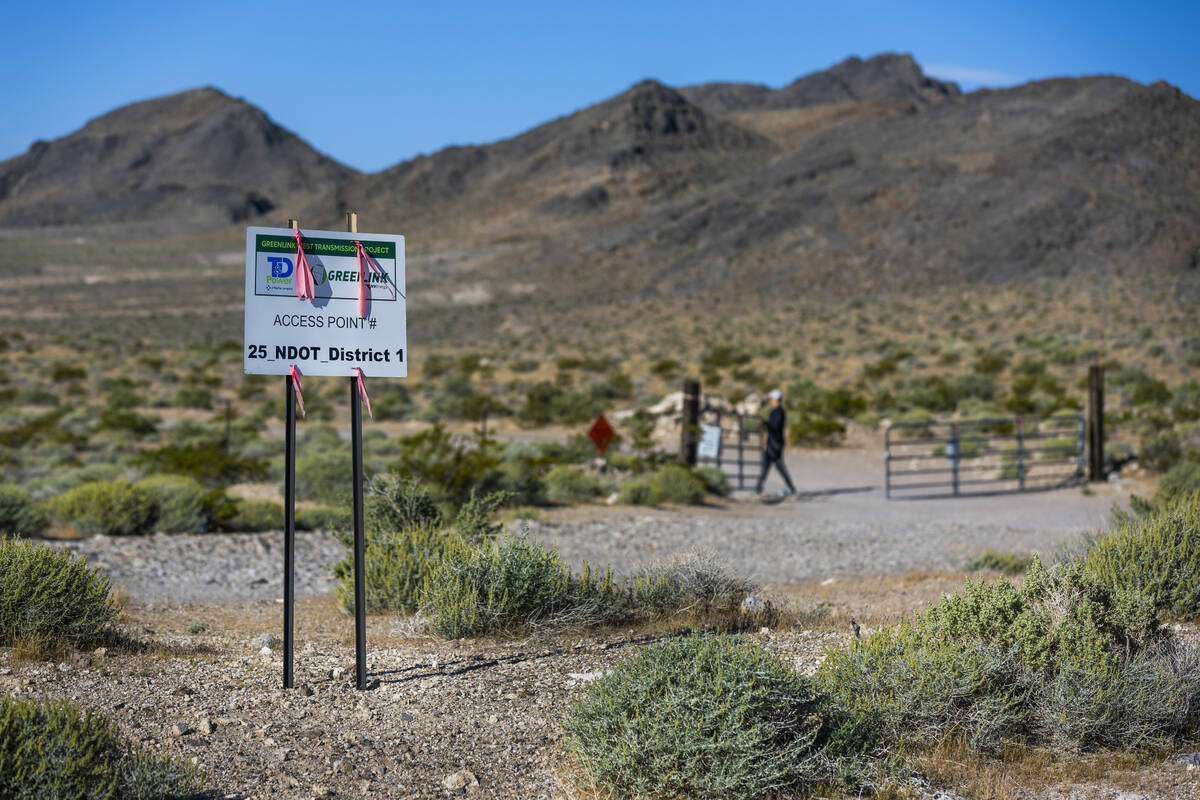
Mason Voehl, executive director of the nonprofit Amargosa Conservancy, said the proposed boundary for the national conservation area would include more than 185,000 acres around the refuge. Scout Clean Energy, the company behind the solar farm that would abut Ash Meadows, did not respond to requests for comment.
The success of the effort is riding on the momentum that Democrats seem to be picking up ahead of the 2026 midterm elections, Voehl admits. Rather than relying on the federal administration to allow the withdrawal, a national conservation area designation can go through Congress alone.
“With the amount of flux and chaos in our politics, I won’t rule anything out,” Voehl said. “Maybe this is one of those things: Just by us pushing for it now, we set an expectation the next Congress needs to take it seriously and get legislation introduced as soon as possible.”
Environmentalism transcends political creed
Conservation could seem like an unlikely top issue for voters in Nye County. This is quintessential Trump country and the county where a Republican brothel owner, who had died during his 2018 campaign, still won his Nevada Assembly seat over a living Democrat.
Allen calls Nye County, the third largest county in the nation that spans more land area than nine individual states, one of the last holdouts of the Western frontier.
Over time, Allen said, the existential threats to desert living have become too dire to declare them red or blue.
“It’s just the love of the land,” Allen said. “That’s all it is in Nye County.”
The little-known Amargosa River is the region’s main water source — flowing, mostly underground, from the headwaters outside Beatty into Badwater Basin inside Death Valley National Park.
In Amargosa Valley, the declining water table has meant some homeowners face $30,000 bills to drill their domestic wells deeper — a hefty cost for living in a struggling town where the main industry, the Ponderosa Dairy, is set to close in 2028. (The dairy itself is under contract to be covered in solar panels after that.)
In recent years, some have turned on their faucets to draw only sand. One family Allen knows had to restrict water usage to a total of seven minutes a day.
Sherry Oettinger, 70, said she’s had to drill her family’s two wells deeper twice. They’re now 300 feet deep.
Oettinger’s family came to Amargosa Valley more than 30 years ago when her father, a plumber, began working at the Nevada Test Site, she said.
Back then, Oettinger said, Ash Meadows was akin to Disneyland. Oettinger’s family camped, fished, swam in springs and brought their horses to drink. That all stopped with the creation of the refuge, but the area’s beauty hasn’t changed a bit.
“I recently had somebody call me out on Facebook, and they said, ‘Well, we need solar because there’s nothing out there,’” Oettinger said. “I’m on these dirt roads at least four out of seven days. Everything in life, to me, is on dirt roads, and it has always been beautiful.”
Conservation ethics across state lines
The long history of land protection efforts along the Amargosa River spans decades — and manifests differently on either side of the California-Nevada state line.
On the California side, as a result of a statewide rationing of land to balance solar and conservation needs in the early 2000s, Voehl said 600,000 acres are already set aside for conservation. In 2009, as a part of an omnibus bill in Congress, lawmakers awarded the California portion a “scenic and wild river” designation.
When President Donald Trump took office, his Interior secretary issued an order that required every step of federal review to come across his desk for projects on public land. Nevada Democrats slammed it as an attempt to freeze the solar industry, and it raised concerns from Republican Gov. Joe Lombardo, too.
“It was as much a freeze as they could possibly get away with,” Voehl said. “That freeze has thawed here in Nevada, and we’re seeing all of those applications starting to move forward.”
Today, the national conservation area boundary acknowledges the reality that most of those solar projects in the pipeline are going forward, and avoids many of them to strike some compromise.
Susan Sorrells, a fourth-generation resident of the Amargosa Desert, can trace her lineage to Ralph “Dad” and Celeste “Ma” Fairbanks, who left Las Vegas in the early 1900s for the mining camps near Ash Meadows and Death Valley.
Fairbanks Spring inside the refuge bears her great-grandparents’ name. The solar project proposed within a mile of the refuge, Tidewater, lifts its name from the Tonopah and Tidewater Railroad — the railroad that thwarted the family freighting business.
Sorrells, along with the advocacy group Friends of the Amargosa Basin, is separately seeking the designation of the Amargosa National Monument, which would include land around her hometown of Shoshone, California.
“Foreign corporations who are destroying the land, this whole specter of data centers — it’s brought people together in a wonderful way,” Sorrells said. “It gives me a lot of hope to see that happen.”
Contact Alan Halaly at ahalaly@reviewjournal.com. Follow @AlanHalaly on X.