
Ford warns Nevadans about deceptive card surcharges
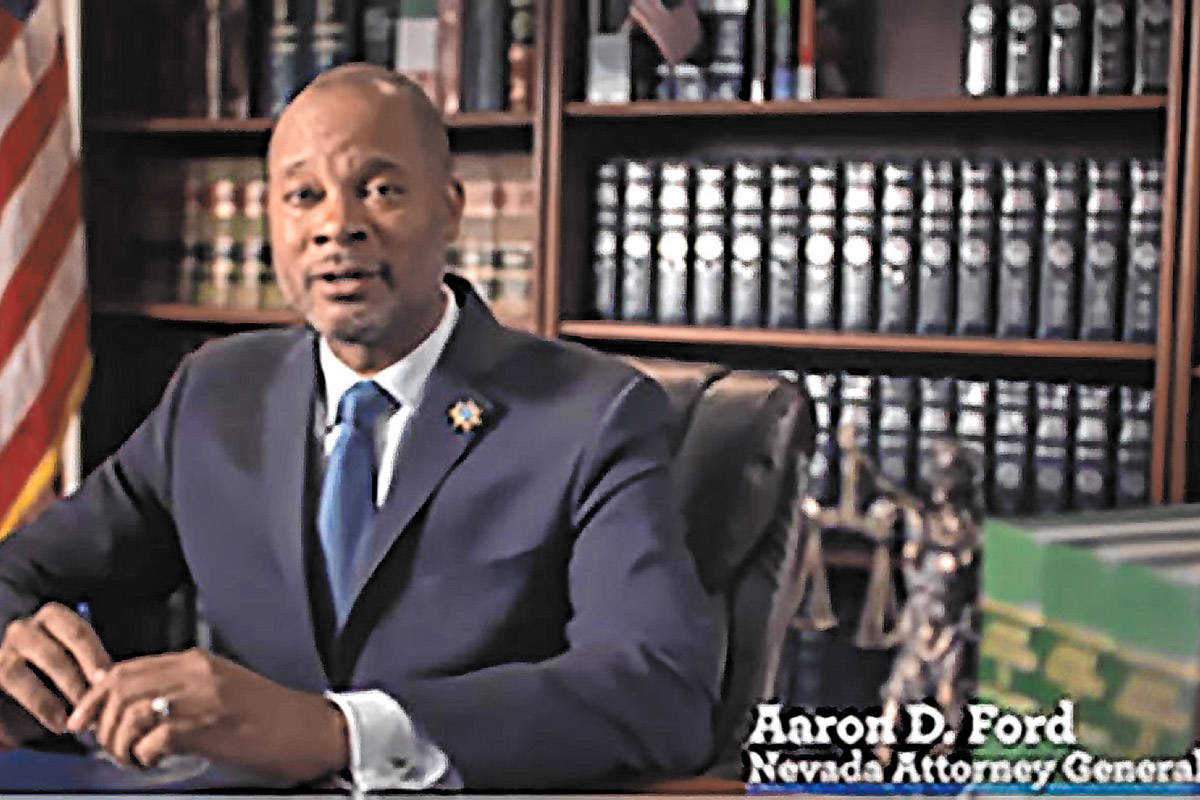




Nevada Attorney General Aaron Ford is advising consumers to pay careful attention to additional charges merchants are placing on credit card transactions during the COVID-19 pandemic. Credit card surcharges, often presented as a percentage or fee that sellers place on credit card transactions, are legal, but merchants must follow certain guidelines.
Credit card companies allow merchants to pass on credit card surcharges to consumers, but restrictions exist to keep consumers informed. Merchants also may need to provide notice to the credit card company before imposing the surcharge.
Additionally, sellers must post signs at the point of entry and the point of sale that clearly explain the surcharges, and the charge must be itemized on the receipt. The surcharge may not exceed how much the merchant pays to accept the card – typically 1 to 1.5%.
“Merchants cannot bury these types of fees on a consumer’s bill without notification,” Ford said. “These deceptive tactics are increasing costs for unsuspecting consumers, and they will not be tolerated.”
When you pay by credit card, check the receipt of point of sale machine for any surcharges. If the surcharges exceed 1.5%, ask for documentation of the policy. Remember that the merchant must inform you of the surcharge by posting a sign.
If you have encountered a merchant who does not disclose these fees, please file a complaint with the attorney general’s office.