

Nevada’s $180 million rural health care plan





In December 2025, Nevada was awarded nearly $180 million in federal funds through the Rural Health Transformation (RHT) Program, a federal grant program established by the One Big Beautiful Bill Act.
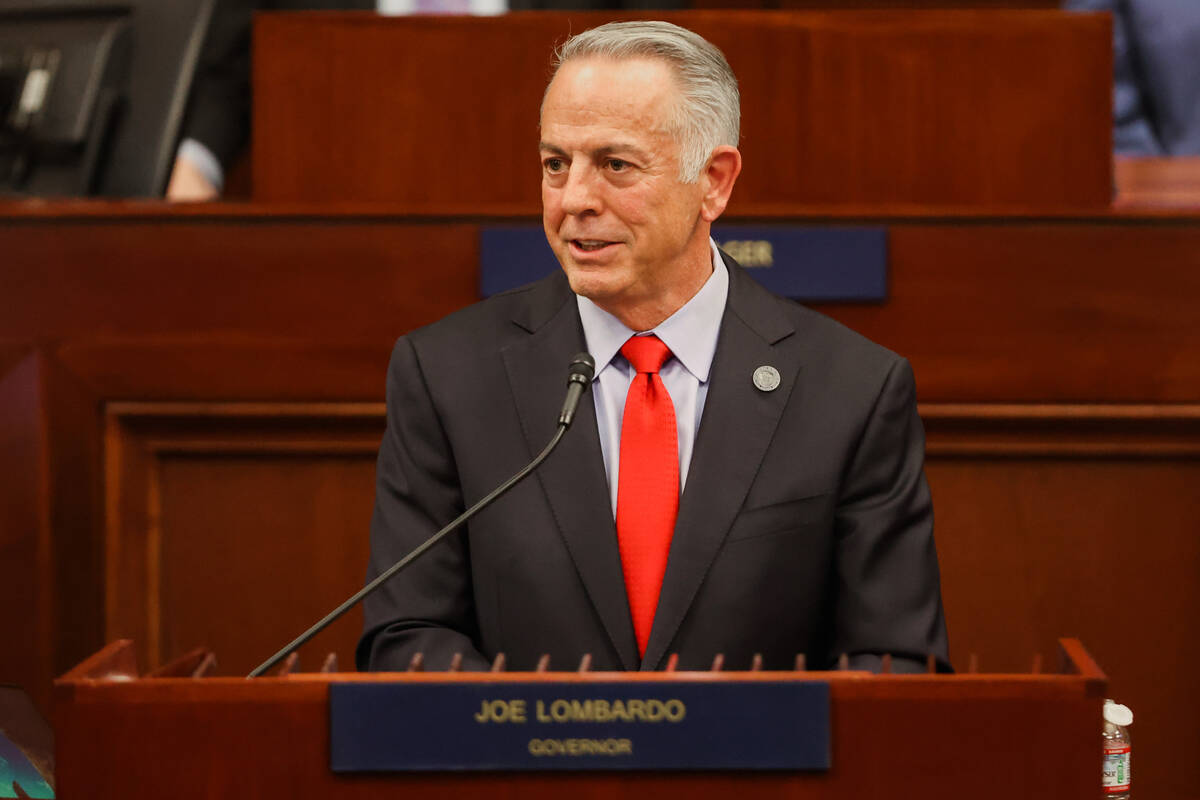
“Thanks to this landmark investment, Nevada is positioned to make meaningful advancements in support of the state’s rural health care system,” Gov. Joe Lombardo said in a statement. “These funds will help connect rural Nevadans to health care by strengthening critical infrastructure, attracting a more robust health care workforce, and accelerating health care technology innovation in our rural communities.”
For each year of the RHT Program, states must reapply for additional funds, according to the press release announcing the amount.
“This program provides $10 billion per year for federal fiscal years 2026 through 2030 for a total of $50 billion. The new federal grant program is designed to mitigate some of the effects of changes to Medicaid financing for rural hospitals and providers resulting from the legislation,” states the Nevada Health Authority (NVHA) website.
The NVHA discussed its four-initiative approach for using the federal funds during a virtual Winter Stakeholder Update Workshop on Jan. 27.
“We have an opportunity to truly transform and improve the health care in our rural and frontier populations and communities,” said NVHA Agency Manager Jason Bleak during the presentation.
The Rural Health Outcomes Accelerator Program (RHOAP) will use 15% of the funds to promote evidence-based, outcome-driven initiatives in areas such as behavioral health, prenatal care, and chronic disease prevention and management.
The Workforce Recruitment and Rural Access Program (WRRAP) using 40% of the funding, aims to grow the pipeline of employees, recruit and train health care professionals, see incentives for new rural provider hires, and create rural residency programs.
The Rural Health Innovation and Technology (RHIT) using 15% of this first year’s funding plans to address the rural digital health ecosystem, improve rural telehealth infrastructure, offer improved access to patient-centered care, through an interoperable data sharing system.
The Flex Fund to Strengthen Rural Health Infrastructure (Flex Fund) will use 20% of the funds to address rural hospital and clinic infrastructure needs. While funds could be used for service area enhancements or possible remodeling, no new construction is allowed under the program.
Tonopah’s Nye Regional Medical Center closed in 2015. Since its closure, there have been ongoing discussions among community members and officials about the need for a full-service, operational hospital.
“If I’m a resident of Tonopah and I’m without some basic health care services, a clinic that’s aging and a hospital that’s no longer open, I certainly would like to see an investment of funds into some construction of a facility,” said Gerald Ackerman, assistant dean for rural programs at the University of Nevada, Reno School of Medicine and director of the Nevada State Office of Rural Health, a state agency within UNR.
While Ackerman said the nearly $180 million is a significant investment with opportunities, he also acknowledged potential worries about the lack of new construction.
“I can see where the frustration is absolutely, but that’s the rules we have to live within,” Ackerman told the Pahrump Valley Times. “There may be an opportunity, from what I understand, to maybe do some fixes within a current or an existing facility, but, it’s a challenge.”
The rest of the nearly $180 million will be directed toward other health initiatives, including tribal health, veterans’ health services, and correctional health programs.
Critiques of the RHT Program
In addition to praise for the RHT Program, concerns have also been voiced about the project.
“Rural communities and rural hospitals started speaking out very early on that these [Medicaid] cuts were going to have a negative impact on their hospitals,” said Chris Cochran, chair of the Department of Healthcare Administration and Policy at the University of Nevada, Las Vegas School of Public Health.
While Cochran hopes Nevada’s $180 million of funding succeeds, he expressed concern about how Medicaid cuts could impact rural health care accessibility in the state.
“A lot of the focus on this [RHT program] is increasing and improving the health care workforce. Maybe then identifying specific health conditions in rural communities that need to be targeted for improving the local community’s health. But it doesn’t do a whole lot in terms of expanding access to the health care payment system,” Cochran explained.
An independent analysis from KFF, a nonprofit and nonpartisan health policy research organization, estimates that Medicaid spending in rural areas could decrease by $137 billion over a decade, which is approximately $87 billion more than is allocated for the RHT Program.
Previously known as the Kaiser Family Foundation, KFF, a public charity, has no relationship to Kaiser Permanente and is not a foundation; it is now known simply as KFF, according to its website.
“Our 13 members are gathering with partners from the Nevada Health Authority and the Office of Rural Health on February 20th to discuss the strategic impact of these funds and our path forward. Given that we’re still in the planning stages, I’m limited in what I can share before that meeting. However, in my opinion, it’s no question that the state of health care in Nevada has fundamentally changed because of the Big Beautiful Bill. The legislation’s deep cuts to Medicaid have created immediate challenges for our hospitals. These cuts reduce reimbursement rates and restrict coverage for services that our communities depend on, at a time when rural health care is already operating on razor-thin margins,” Nevada Rural Hospital Partners (NRHP) Events and Operations Coordinator Bradley Leavitt wrote in an email.
The NRHP is an alliance of rural and small hospitals in the state.
“While we are grateful for the $180 million in funding through the Rural Health Transformation Program, the truth is that our hospitals need far more support than what’s been allocated, especially when you consider what the BBB [Big Beautiful Bill] has taken away. This funding, while helpful, represents a fraction of what’s needed to offset the Medicaid cuts and address the longstanding infrastructure and workforce challenges our rural hospitals face,” Leavitt cautioned.
Contact reporter Elijah Dulay at edulay@pvtimes.com