
Campground in Death Valley mostly reopens after fire
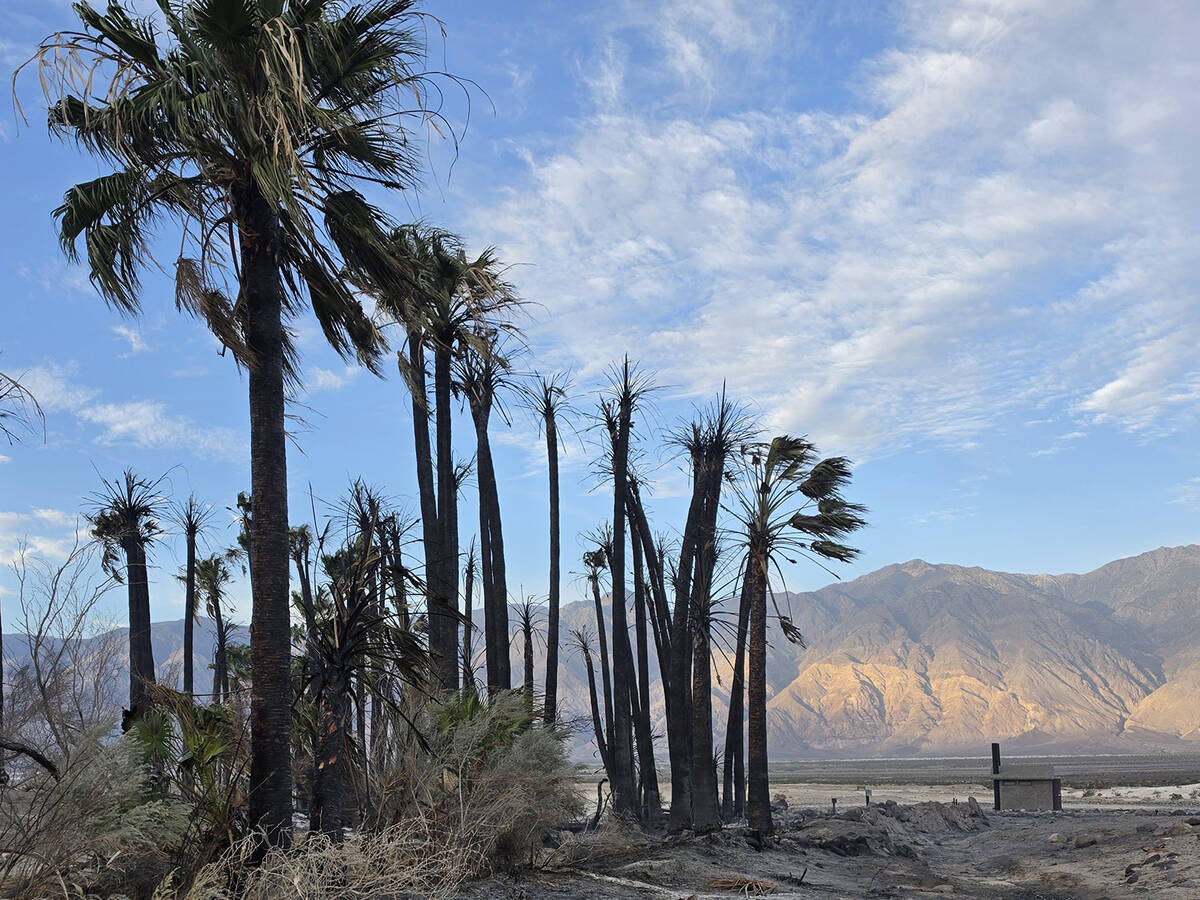
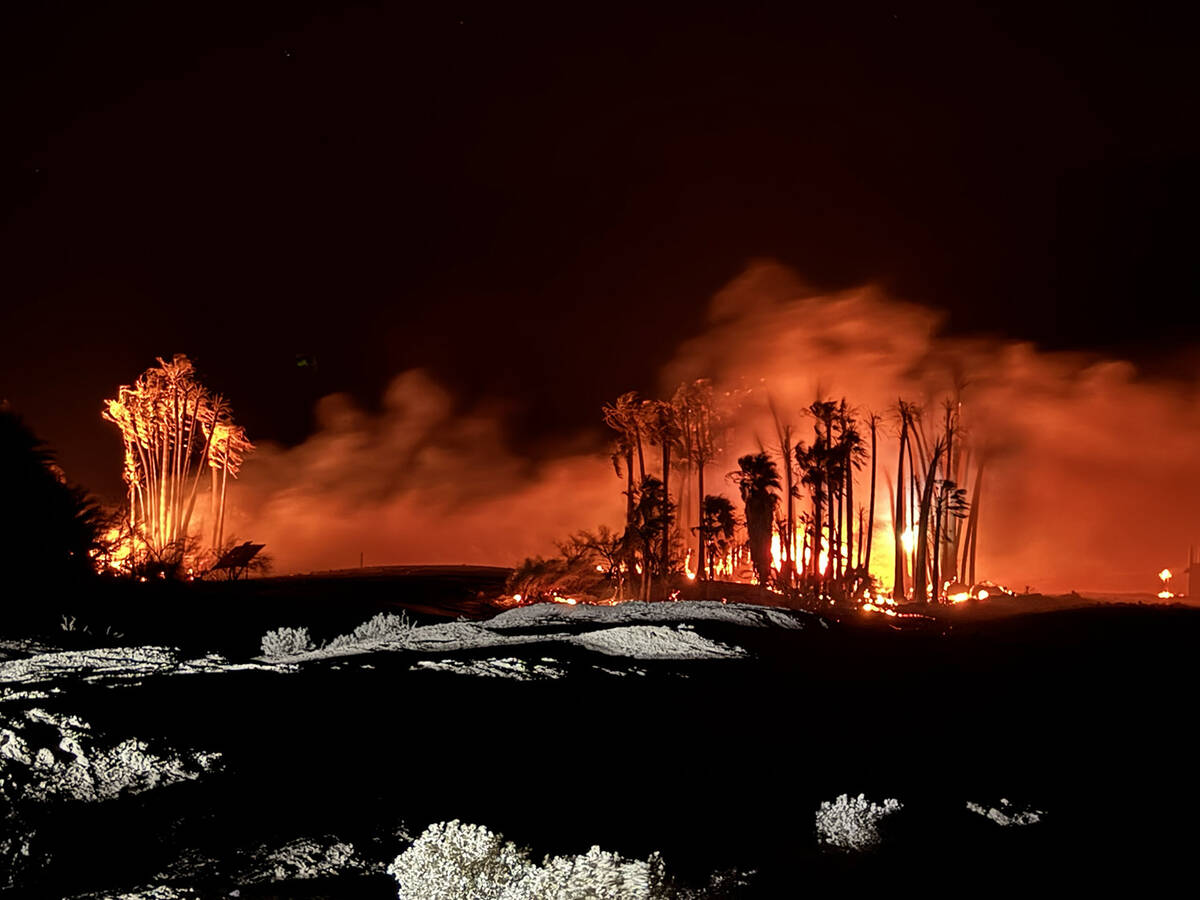
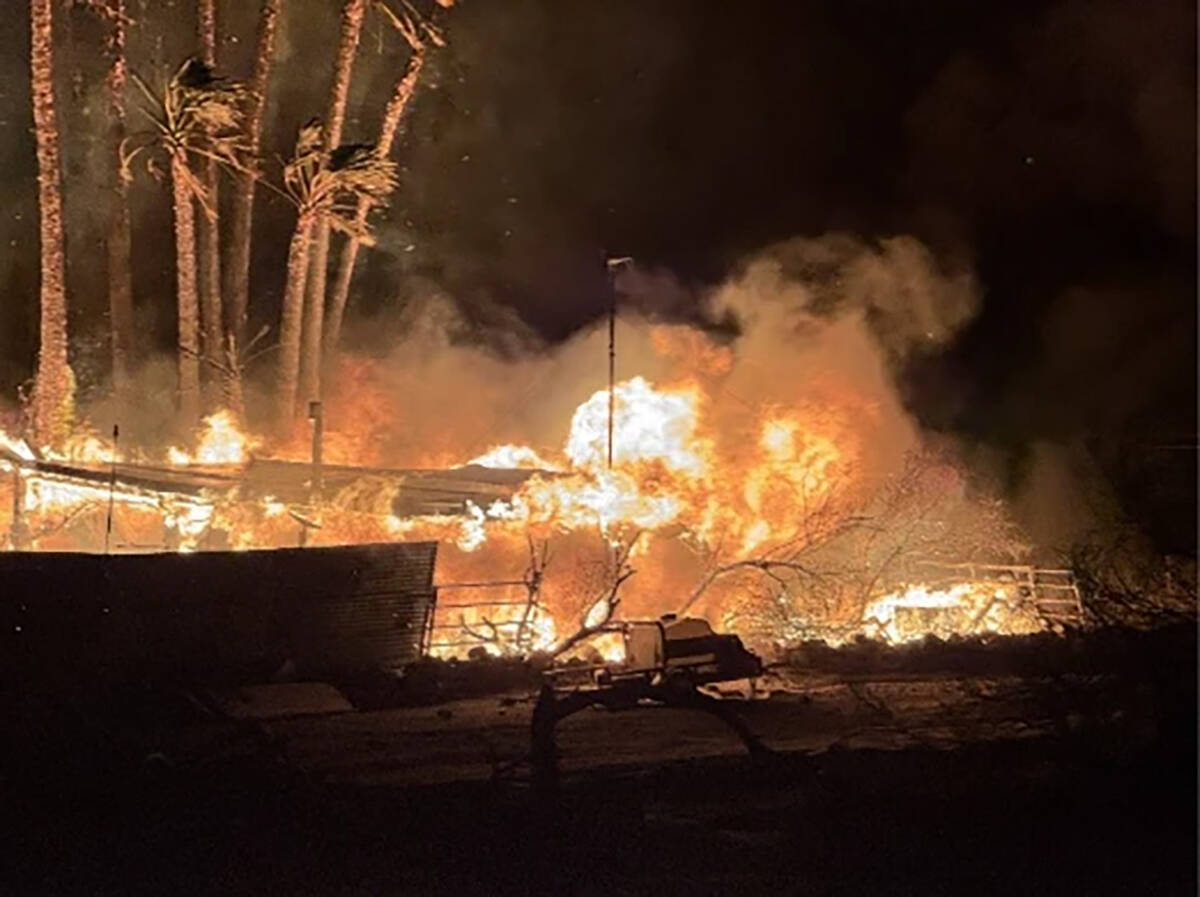





Death Valley National Park announced earlier this week that over half of Saline Valley Warm Springs Campground has reopened after a recent fire in September.
The immediate fire area is still closed because of residual hot spots and hazardous materials. The National Park Service said in an Oct. 5 press release that visitors should not enter this off-limits area or attempt to fix or replace fire-damaged infrastructure.
“The safety of park visitors is our top priority,” Death Valley Superintendent Mike Reynolds explained in a statement. “Although the fire is contained, residual heat and hazardous materials remain in the burn area. We appreciate everyone’s patience as we move into the next phase of cleanup and recovery.”
Park service staff are still supervising the area, and the fire is completely contained. This personnel is also evaluating damage to park infrastructure and cultural and natural resources.
Palm Spring, the camping section between Palm Spring and Lower Spring and the double-vault toilet at Lower Spring are now all open.
According to the park service, investigators with the U.S. Wildland Fire Service determined that a palm tree was set aflame by a propane grill, accidentally starting the fire in the Lower Springs area of the remote campground. The park service previously explained in two September press releases that Saline Valley Warm Springs Campground is approximately 40 miles from the nearest paved road and located in a very secluded western section of Death Valley.
The scorched portion of the campground will be evaluated by a Department of the Interior team in the middle of this month. This team will also assess the damaged and destroyed park infrastructure, effects on cultural and natural resources, and safety hazards such as a substantial bank of partly burned batteries.
In early winter, debris and dangerous materials are anticipated to be removed.
The park service stated in Monday’s announcement, that the fire does not alter its management of California fan palms at the campground.
Existing mature palms are permitted to remain for the length of their natural lives under the Saline Valley Warm Springs Management Plan.
The park service explained palms are removed once they die and replaced with native vegetation.
New California fan palms are not native to Death Valley and viewed as invasive; therefore, they are not allowed to establish.
The park service notes that numerous palms impacted by the flames still possess green fronds and are likely to survive, adding that while even some seem extremely burned, they may grow new leaves in the following months. The affected palms will be overseen by the park service and it will only extract those that are determined dead, adhering to the current existing management plan.
For more information about Death Valley National Park, visit nps.gov/deva.
Contact reporter Elijah Dulay at edulay@pvtimes.com